
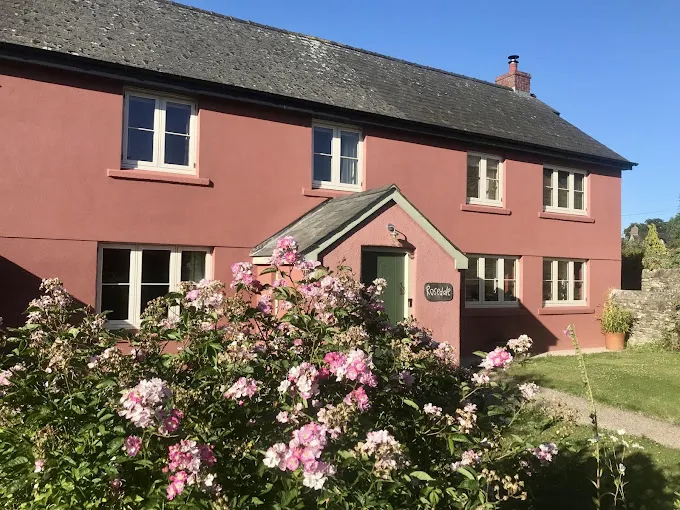
Expert Rendering Services Bridgend: Complete Guide 2025
Expert rendering services Bridgend property owners trust for durable, weather-resistant finishes that enhance property value and protection.
Table of Contents
- Understanding Rendering Services in Bridgend
- Types of Rendering Systems Available
- Choosing the Right Rendering Contractor
- Modern Spray Rendering Technology
- Cost Factors for Rendering Projects
- Property Enhancement Through Professional Rendering
- Your Most Common Questions
Quick Summary
Professional rendering services Bridgend offers transform properties with durable, weather-resistant finishes. Modern spray rendering technology enables faster application whilst maintaining superior quality, making it the preferred choice for discriminating property owners throughout the region.
By the Numbers
- 10,000 tradespeople available through major trade platforms[1]
- 619 plasterers available in the Bridgend area[2]
- 88,000 5-star ratings for rendering and plastering services in the last 12 months[1]
- 30 years of professional rendering experience by established South Wales companies[3]
Property owners across Bridgend are increasingly recognising the transformative power of professional rendering services. Whether you’re dealing with cracked exterior walls, seeking to improve energy efficiency, or simply wanting to enhance your property’s kerb appeal, quality rendering provides lasting solutions that protect and beautify buildings for decades.
The rendering industry in Bridgend has evolved significantly, embracing advanced materials and application techniques that deliver superior results compared to traditional methods. From Victorian terraces in the town centre to modern developments in Pencoed and Porthcawl, rendering services Bridgend providers are helping property owners achieve their aesthetic and protective goals through expert craftsmanship and innovative solutions.
Call Us
Understanding Rendering Services in Bridgend
Rendering involves applying a protective and decorative coating to exterior walls, creating a weather-resistant barrier that enhances both appearance and structural integrity. In Bridgend’s variable climate, with its mixture of coastal influences from the Bristol Channel and inland weather patterns, choosing appropriate rendering systems becomes particularly important for long-term performance.
Professional rendering services Bridgend encompasses several specialist techniques and materials, each designed to address specific property requirements. The process involves careful preparation of existing walls, application of base coats where necessary, and finishing with chosen render systems that provide both protection and aesthetic appeal.
Modern rendering goes beyond simple cement-based coatings. Today’s systems incorporate advanced polymers, silicones, and aggregate blends that deliver enhanced flexibility, water resistance, and thermal performance. “Modern render systems incorporate advanced chemistry to provide enhanced performance characteristics. Silicone-based renders offer superior flexibility and weather resistance, while maintaining the breathability essential for healthy building performance,” explains Geoff Lewis from Coloured Rendering South Wales[4].
The choice of rendering system depends on numerous factors including substrate type, exposure conditions, architectural style, and performance requirements. Properties in coastal areas like Porthcawl may benefit from silicone renders that resist salt spray, whilst inland properties might prioritise thermal performance through external wall insulation systems.
Types of Rendering Systems Available
Bridgend property owners can choose from various rendering systems, each offering distinct advantages for different applications and requirements. Understanding these options helps ensure the best selection for your specific property needs and budget considerations.
Silicone Thin Coat Renders
Silicone-based rendering systems represent the premium option for exterior wall finishes, offering exceptional durability and performance characteristics. These systems provide excellent flexibility, allowing them to accommodate building movement without cracking. Their hydrophobic properties repel water whilst maintaining vapour permeability, crucial for preventing moisture-related problems.
The self-cleaning characteristics of silicone renders help maintain appearance over time, reducing maintenance requirements significantly. Available in extensive colour ranges with excellent UV stability, these systems won’t fade or require regular repainting, making them particularly cost-effective over their lifespan.
Monocouche Through Colour Renders
Monocouche systems offer single-coat application convenience combined with through-colour durability. These cement-based renders eliminate the need for separate base and top coats, reducing application time and labour costs. The colour extends throughout the material thickness, ensuring consistent appearance even if minor damage occurs.
Particularly suitable for new construction projects and renovation work, monocouche renders provide excellent weather protection with minimal maintenance requirements. Their flexibility in texture and finish options allows architects and property owners to achieve specific aesthetic goals whilst maintaining practical performance.
External Wall Insulation Systems
EWI systems combine thermal improvement with attractive rendered finishes, providing dual benefits for property owners. These systems significantly reduce heating costs whilst transforming building appearance, making them especially valuable for older properties with solid wall construction.
The insulation boards mechanically fixed to existing walls create a continuous thermal barrier, whilst the decorative finish coat provides weather protection and aesthetic enhancement. Various finish options including textured and smooth surfaces allow customisation to suit property styles and personal preferences.
Choosing the Right Rendering Contractor
Selecting appropriate contractors for rendering services Bridgend requires careful evaluation of experience, expertise, and track record. The quality of workmanship directly impacts both immediate results and long-term performance, making contractor selection crucial for project success.
Look for contractors with substantial local experience who understand regional building types and weather conditions. Established businesses with proven track records demonstrate stability and commitment to quality service delivery. “With 17 years of experience in plastering, I have gained vast expertise in internal, external, and specialist external rendering systems. I maintain a very good reputation built on quality workmanship and professional service delivery across South Wales,” notes Jon Davies from Davies’s Plastering[1].
Verify credentials including appropriate insurance coverage, trade certifications, and manufacturer approvals for specific render systems. Professional contractors maintain current training on new products and techniques, ensuring they can recommend and apply the most suitable solutions for your requirements.
Request detailed written quotations that specify materials, application methods, timescales, and warranty provisions. Transparent pricing helps avoid unexpected costs, whilst comprehensive warranties demonstrate contractor confidence in their workmanship and materials.
Portfolio and Reference Evaluation
Examine previous work examples that demonstrate quality standards and versatility across different property types. Professional contractors readily provide portfolios showing completed projects with before and after photographs that illustrate their capabilities.
Contact previous clients to verify satisfaction levels and learn about the contractor’s working methods, reliability, and problem-solving approach. References from similar projects provide valuable insights into what you can expect during your own rendering project.
Modern Spray Rendering Technology
Spray rendering technology has revolutionised the application of rendering services Bridgend, offering significant advantages over traditional hand application methods. This advanced technique enables faster coverage, more consistent thickness, and superior finish quality across large surface areas.
Professional spray equipment atomises render materials into fine particles that form uniform coatings when applied to prepared surfaces. The mechanical application ensures consistent coverage without trowel marks or thickness variations that can occur with manual application methods.
“Our specialisation in spray rendering technology sets us apart, enabling us to complete projects more efficiently while maintaining superior quality standards,” explains industry expert Geoff Lewis[4]. This efficiency translates into reduced project durations and minimised disruption for property occupants.
The spray application process allows precise control over material application rates and thickness, resulting in optimal performance characteristics and material usage efficiency. Professional operators adjust spray patterns and pressures to accommodate different wall surfaces and architectural details.
Benefits of Spray Application
Spray rendering delivers consistent thickness across entire wall surfaces, eliminating weak spots that might develop with uneven hand application. This uniformity enhances both appearance and protective performance, ensuring reliable weather resistance throughout the coating.
Time savings from spray application enable larger projects to be completed more quickly, reducing scaffolding costs and minimising inconvenience to property occupants. The faster application also reduces weather-related delays, as smaller daily coverage areas mean less exposure to adverse conditions during application.
Superior adhesion characteristics result from the mechanical application process, which ensures intimate contact between render and substrate. This enhanced bond strength contributes to long-term durability and resistance to weather-related deterioration.
Cost Factors for Rendering Projects
Understanding the various elements that influence rendering project costs helps property owners budget appropriately and make informed decisions about material and application choices. Multiple factors affect pricing for rendering services Bridgend, from basic material costs to complex preparation requirements.
Surface area represents the primary cost driver, with larger projects typically offering better value per square metre due to economies of scale. However, architectural complexity, access requirements, and preparation work can significantly impact overall project costs regardless of size.
Render system selection affects both material and application costs. Premium silicone systems command higher prices but offer superior longevity and reduced maintenance costs. Budget-conscious clients may prefer cement-based systems that provide good performance at lower initial investment.
Preparation and Access Requirements
Wall condition significantly influences preparation costs, with damaged or poorly maintained surfaces requiring extensive repair work before render application. Removing failed existing renders, treating structural problems, and ensuring appropriate substrate conditions add to project expenses but prove essential for lasting results.
Access requirements affect both labour efficiency and equipment costs. Ground floor applications with easy access cost less than projects requiring extensive scaffolding or specialist access equipment. Planning permission requirements for scaffolding in certain locations may add time and administrative costs.
| Render Type | Relative Cost | Durability | Maintenance |
|---|---|---|---|
| Silicone Thin Coat | Premium | 25+ years | Minimal |
| Monocouche | Moderate | 15-20 years | Low |
| Cement Based | Budget | 10-15 years | Regular |
| EWI Systems | Investment | 25+ years | Minimal |
Property Enhancement Through Professional Rendering
Professional rendering services Bridgend delivers multiple benefits that extend far beyond simple aesthetic improvement. Quality rendering systems protect building structures whilst enhancing thermal performance and increasing property values through improved appearance and reduced maintenance requirements.
Weather protection represents perhaps the most crucial benefit, as properly applied renders create barriers against rain, wind, and temperature fluctuations that can damage underlying structures. In Bridgend’s climate, with its combination of coastal moisture and inland weather patterns, this protection proves particularly valuable.
Thermal performance improvements result from modern rendering systems, particularly when combined with insulation. External wall insulation systems can dramatically reduce heating costs whilst eliminating cold bridging and improving internal comfort levels throughout the year.
Property values typically increase following professional rendering work, as improved appearance and reduced maintenance requirements appeal to potential buyers. Estate agents frequently report that well-maintained rendered properties sell more quickly and command premium prices compared to properties requiring external maintenance.
Maintenance Reduction Benefits
Modern render systems virtually eliminate the need for regular external painting, significantly reducing long-term maintenance costs and inconvenience. Through-coloured and silicone systems maintain their appearance for decades without requiring refreshment work.
Self-cleaning properties of premium renders help maintain fresh appearance with minimal intervention, whilst their resistance to algae and moss growth reduces cleaning requirements. These characteristics prove particularly valuable for properties in Bridgend’s sometimes damp climate conditions.
At Coloured Rendering South Wales, we understand the unique challenges facing Bridgend property owners. Our expertise in modern spray rendering technology, combined with over 25 years of local experience, enables us to deliver exceptional results that enhance and protect your property investment. We specialise in silicone thin coat renders, monocouche systems, and external wall insulation applications that provide lasting value and peace of mind.
Your Most Common Questions
How long does professional rendering typically last on Bridgend properties?
Modern rendering systems provide excellent longevity when properly applied and maintained. Silicone-based thin coat renders typically last 25-30 years without requiring major maintenance, whilst monocouche through-colour systems provide 15-20 years of reliable performance. Traditional cement renders generally require attention after 10-15 years, though this varies depending on exposure conditions and application quality. The coastal climate around Porthcawl and exposed locations may reduce lifespan slightly, whilst sheltered inland properties often exceed typical performance expectations. Professional application using quality materials significantly extends render life compared to DIY or budget installations. Regular inspection and prompt repair of minor damage helps maximise system longevity regardless of render type chosen.
What factors influence rendering costs in the Bridgend area?
Several key factors determine rendering project costs throughout Bridgend. Surface area represents the primary cost driver, with larger projects offering better value per square metre due to economies of scale. Wall condition affects preparation requirements, with damaged surfaces needing extensive repair work before render application. Access requirements significantly impact costs, as scaffolding for multi-storey properties adds substantial expense compared to ground-floor applications. Render system selection influences both material and labour costs, with premium silicone systems commanding higher prices than basic cement renders. Architectural complexity including bay windows, decorative features, and multiple wall angles increases application time and costs. Location within Bridgend may affect travel costs and material delivery charges. Current market conditions and contractor availability can also influence pricing, particularly during peak construction periods.
Which render system works best for coastal properties near Porthcawl?
Coastal properties face unique challenges from salt spray, driving rain, and increased UV exposure that demand carefully selected render systems. Silicone thin coat renders provide optimal performance for coastal locations due to their excellent water resistance and flexibility. These systems resist salt damage whilst maintaining vapour permeability essential for preventing moisture problems. Their self-cleaning properties help remove salt deposits and organic growth naturally. Through-coloured renders also perform well coastally, as their integral colour won’t fade from UV exposure and minor damage doesn’t compromise appearance. Acrylic systems should generally be avoided in direct coastal exposure due to potential salt damage. EWI systems work excellently for coastal properties when specified with appropriate marine-grade components. Professional assessment helps determine optimal solutions based on specific exposure conditions and architectural requirements for each coastal property.
How does spray rendering compare to traditional hand application methods?
Spray rendering offers significant advantages over traditional hand application for most projects. Application speed increases dramatically, typically reducing project duration by 40-50% compared to hand methods. This efficiency minimises scaffolding costs and reduces disruption to property occupants. Spray application achieves superior consistency in thickness and texture across large surface areas, eliminating trowel marks and thickness variations common with manual methods[4]. Material waste reduces significantly as spray equipment applies precise quantities without the excess typical of hand application. Surface preparation requirements remain similar regardless of application method, though spray techniques may require additional masking of adjacent surfaces. Professional spray operators achieve better coverage around architectural details and complex geometries. However, spray equipment requires significant investment and specialised training, making it primarily suitable for professional contractors rather than DIY applications.
What preparation work is required before render application?
Thorough preparation proves crucial for rendering project success and long-term performance. Surface cleaning removes dirt, algae, and loose materials that could compromise adhesion between new render and existing substrate. Damaged areas require repair using appropriate methods, including structural repairs where necessary. Existing failed render must be completely removed to prevent future delamination problems. Substrate assessment determines whether primer or bonding agents are needed to ensure adequate adhesion. Joint sealing around windows, doors, and penetrations prevents water ingress behind render systems. Masking and protection of adjacent surfaces, plants, and paving prevents damage during application. Weather conditions must be suitable, typically requiring temperatures between 5-30°C with no rainfall during application and initial curing periods. Professional contractors assess substrate suitability and specify appropriate preparation methods for each project’s specific requirements and conditions.
Can rendering improve property energy efficiency?
Professional rendering can significantly enhance property energy efficiency, particularly when combined with insulation systems. External Wall Insulation (EWI) applications combine continuous insulation with attractive rendered finishes, dramatically reducing heat loss through external walls. Properties with solid wall construction benefit most from EWI systems, often achieving 30-40% reductions in heating costs. Even basic rendering provides some thermal improvement by sealing gaps and cracks that allow air infiltration. Modern render systems include thermal-grade basecoats that enhance insulative properties compared to traditional materials. Breathable renders help regulate internal humidity levels, improving comfort whilst reducing condensation-related problems. Professional assessment determines optimal insulation thickness and render specifications for maximum energy efficiency improvements. Government schemes and grants may be available for energy efficiency improvements including EWI installations, making these investments more affordable for qualifying properties.
How do I maintain rendered walls after application?
Proper maintenance extends render life and maintains appearance throughout its service life. Regular visual inspection helps identify minor problems before they develop into major issues requiring expensive repairs. Annual washing with mild detergent solution removes dirt accumulation and organic growth, particularly important for properties in sheltered locations. Silicone renders often require minimal cleaning due to their self-cleaning properties, whilst cement-based systems may need more frequent attention. Prompt repair of minor cracks prevents water ingress that could cause larger problems. Joint sealing around windows and doors requires periodic renewal to maintain weather resistance. Avoid high-pressure washing that might damage render surfaces, using gentle brush cleaning instead. Professional inspection every 5-10 years helps identify developing issues and planning for maintenance work. Keeping gutters and downpipes clear prevents water overflow that can stain or damage rendered surfaces over time.
| Maintenance Task | Frequency | Silicone Renders | Cement Renders |
|---|---|---|---|
| Visual Inspection | Annual | Required | Required |
| Gentle Cleaning | As Needed | Minimal | Regular |
| Crack Repair | Immediate | Rare | Occasional |
| Professional Check | 5-10 Years | Recommended | Essential |
Choosing professional rendering services Bridgend ensures your property benefits from expert knowledge, quality materials, and proven application techniques. The investment in professional rendering delivers lasting value through enhanced appearance, weather protection, and reduced maintenance requirements that justify the initial investment many times over.
Modern spray rendering technology has transformed the industry, enabling faster application with superior consistency compared to traditional methods. Combined with advanced render systems including silicone thin coats and EWI installations, property owners can achieve exceptional results that protect and enhance their investments for decades.
The Bottom Line
Professional rendering services Bridgend offers property owners exceptional opportunities to enhance, protect, and add value to their investments through proven techniques and advanced materials. Whether addressing maintenance needs or pursuing aesthetic improvements, quality rendering provides lasting solutions that justify their investment through reduced maintenance, improved efficiency, and enhanced appeal.
The combination of local expertise, modern spray application technology, and premium render systems ensures optimal results for properties throughout the region. From coastal homes facing challenging exposure conditions to inland properties seeking energy efficiency improvements, professional contractors deliver tailored solutions that meet specific requirements and exceed expectations.
For property owners considering rendering projects, the key lies in selecting experienced contractors who understand local conditions and can recommend appropriate systems for individual requirements. The investment in professional rendering services delivers lasting value that enhances property enjoyment and investment returns for years to come.
Further Reading
- Internal rendering specialists in Bridgend – Rated People. Rated People. https://www.ratedpeople.com/local-internal-rendering/mid-glamorgan/bridgend
- Find Plasterers in Bridgend – MyJobQuote. MyJobQuote. https://www.myjobquote.co.uk/plasterers-renderers/bridgend
- Exterior Rendering in Bridgend County Borough – TrustATrader. TrustATrader. https://www.trustatrader.com/exterior-rendering-in-Bridgend-county-borough
- Expert Bridgend Plasterers for Quality Rendering Services. Coloured Rendering South Wales. https://www.colouredrenderingsouthwales.com/bridgend-plasterers/