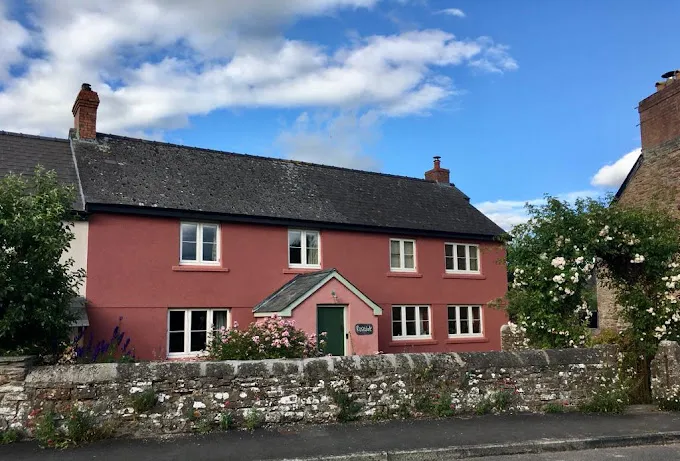
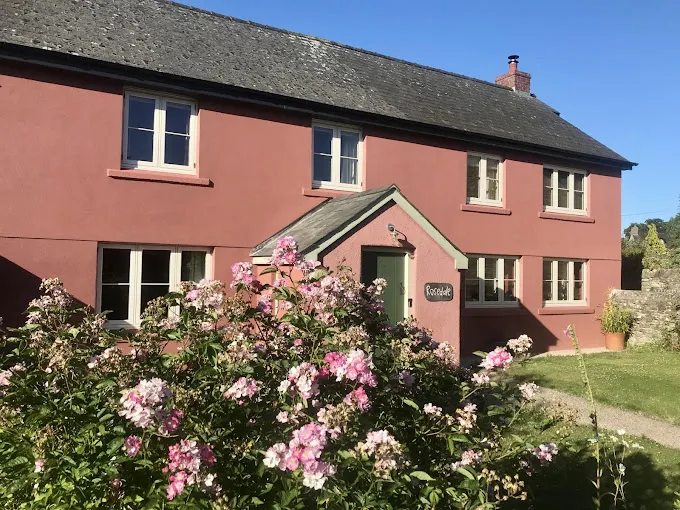
External Rendering South Wales: Expert Guide & Services
External rendering South Wales services offer property owners advanced solutions combining weather protection, energy efficiency, and aesthetic enhancement through modern spray application techniques and durable material systems.
Table of Contents
- Render Systems for South Wales
- Professional Application Techniques
- Energy Efficiency and External Wall Insulation
- Maintenance and Longevity
- Important Questions About External Rendering South Wales
- Cost Considerations and Investment Value
- Choosing the Right Rendering Contractor
- Final Thoughts on External Rendering South Wales
Quick Summary
External rendering South Wales combines advanced material technologies with expert spray application techniques to deliver durable, weather-resistant finishes. Modern systems offer comprehensive protection against South Wales’ challenging climate whilst improving property aesthetics and energy performance.
Quick Stats: External Rendering South Wales
- 25[1] years of professional rendering experience in South Wales
- £445[2] average annual heating cost savings from external wall insulation
- 25%[3] of Welsh dwellings have solid wall construction
- 7-10[4] days typical duration for professional house rendering completion
External rendering south wales represents one of the most effective ways to protect and enhance properties throughout the region. As weather patterns become increasingly challenging and energy costs continue rising, property owners are seeking comprehensive solutions that address multiple concerns simultaneously. Modern external rendering systems have evolved to meet these demands, offering sophisticated protection that goes far beyond traditional cement-based applications.
The unique geography and climate of South Wales create specific challenges for external building materials. From the salt-laden air of coastal areas like Mumbles and Barry to the driving rain common across the region, properties face constant exposure to moisture and weathering forces. “Modern external rendering systems have evolved far beyond basic cement coats, now incorporating advanced polymer technologies, self-cleaning properties, and long-lasting colour retention. These sophisticated systems offer property owners comprehensive solutions that address both aesthetic concerns and practical protection needs, particularly crucial for buildings exposed to South Wales’ demanding weather conditions.”[1]
Call Us
Understanding the various aspects of external rendering enables property owners to make informed decisions about protecting their investments whilst potentially improving energy efficiency and visual appeal.
Understanding External Rendering
External rendering involves applying protective coating systems to building exteriors, creating weather-resistant barriers whilst enhancing architectural appearance. Modern rendering systems incorporate advanced polymer technologies and specialised additives designed to withstand specific environmental challenges commonly encountered throughout South Wales.
The fundamental purpose of external rendering extends beyond simple decoration. These systems provide crucial protection against moisture ingress, thermal bridging, and structural weathering. Contemporary render formulations include breathable membranes that allow trapped moisture to escape whilst preventing external water penetration—a critical feature for older properties with solid wall construction.
Various render types suit different architectural styles and performance requirements. Through-coloured systems eliminate ongoing painting maintenance by incorporating pigments throughout the material thickness. Silicone-based renders offer superior flexibility and self-cleaning properties, whilst acrylic systems provide cost-effective solutions for properties requiring painted finishes.
Application methods significantly influence final performance characteristics. Traditional hand application remains suitable for smaller areas and detailed work, whilst modern spray techniques enable faster coverage of larger surfaces with improved consistency. The choice between methods depends on project scale, substrate condition, and specific performance requirements.
Substrate preparation proves crucial for long-term render performance. Proper assessment identifies potential issues such as dampness, structural movement, or incompatible existing materials. Professional evaluation ensures appropriate system selection and preparation techniques that maximise render lifespan whilst preventing costly failures.
Climate Considerations for South Wales
South Wales’ maritime climate creates unique challenges requiring specialised render formulations. The region experiences high rainfall, coastal salt exposure, and temperature fluctuations that can cause traditional renders to fail prematurely. “South Wales is particularly susceptible to cavity wall insulation failure because of its characteristically wet weather, making proper external rendering and insulation systems especially critical for property protection.”[5]
Coastal properties face additional challenges from salt-laden air that can penetrate render systems and cause internal corrosion. Modern silicone renders incorporate water-repelling additives that resist salt penetration whilst maintaining breathability. These systems prove particularly valuable for properties in exposed locations throughout Swansea Bay, Cardiff Bay, and other coastal areas.
Freeze-thaw cycles during winter months can damage rigid render systems through expansion and contraction forces. Flexible polymer-modified renders accommodate this movement without cracking, ensuring continued protection throughout seasonal temperature variations common across the region.
Render Systems for South Wales Properties
Selecting appropriate render systems requires understanding the specific performance characteristics needed for South Wales conditions. Different formulations offer varying benefits depending on exposure level, substrate type, and aesthetic requirements. Professional assessment ensures optimal system selection for each property’s unique circumstances.
Thin coat silicone renders represent the premium option for demanding environments. These systems incorporate advanced polymer chemistry that provides exceptional flexibility, weather resistance, and self-cleaning properties. The silicone content creates a hydrophobic surface that sheds water effectively whilst allowing vapour transmission from within the building structure.
Monocouche through-colour renders offer excellent value for properties requiring durable, low-maintenance finishes. The single-coat application includes integral colouring that eliminates painting requirements whilst providing robust weather protection. These cement-based systems prove particularly suitable for new construction and renovation projects where consistent colour and texture are desired.
Acrylic render systems provide cost-effective solutions for properties requiring painted finishes. Modern acrylic formulations include improved adhesion promoters and crack-bridging additives that enhance durability compared to traditional cement renders. These systems work well for properties where colour flexibility and moderate weather protection are primary considerations.
Material Selection Criteria
Choosing appropriate render materials requires evaluating multiple factors including exposure conditions, substrate characteristics, and maintenance preferences. Properties in exposed coastal locations benefit from high-performance silicone systems, whilst sheltered inland properties may suit more economical options.
Vapour permeability becomes critical for older properties with solid wall construction. Renders must allow moisture transmission to prevent internal condensation whilst blocking external water ingress. Modern systems achieve this balance through carefully engineered pore structures and polymer chemistry.
Colour stability influences long-term appearance and maintenance requirements. Through-coloured systems maintain appearance for decades without repainting, whilst painted systems require periodic maintenance but offer greater colour flexibility. Professional advice helps balance initial costs against long-term maintenance considerations.
Professional Application Techniques
Modern spray application techniques have revolutionised external rendering south wales projects, enabling faster completion times with improved consistency compared to traditional hand methods. “Advanced spray application techniques have revolutionized how external rendering is applied, enabling faster completion times and more consistent finishes compared to traditional hand application methods. This technology particularly benefits larger projects where uniformity and efficiency are paramount considerations.”[1]
Spray equipment delivers material at controlled pressure and flow rates, ensuring uniform thickness across large surface areas. This consistency proves particularly important for modern render systems where thickness variations can affect performance characteristics such as breathability and thermal properties.
Professional spray operators require specialised training to achieve optimal results. Proper technique involves maintaining correct stand-off distances, overlap patterns, and application speeds that ensure consistent coverage without material waste. Environmental conditions such as wind speed and temperature must be carefully monitored during application.
Surface preparation remains crucial regardless of application method. Professional contractors assess substrate condition and implement appropriate preparation techniques including cleaning, priming, and repair work. Proper preparation ensures optimal adhesion and long-term performance of the render system.
Quality Assurance Measures
Professional rendering contractors implement comprehensive quality control procedures throughout the application process. These measures include substrate assessment, material testing, environmental monitoring, and systematic inspection during each application stage.
Thickness measurement ensures consistent coverage that meets system specifications. Electronic gauges enable accurate measurement of wet film thickness, allowing immediate adjustment if variations are detected. This attention to detail proves crucial for achieving specified performance characteristics.
Curing protection safeguards newly applied renders from adverse weather conditions during the critical initial hardening period. Professional contractors implement appropriate protection measures including temporary screening and environmental monitoring to ensure optimal curing conditions.
Energy Efficiency and External Wall Insulation
External rendering south wales often incorporates insulation systems that dramatically improve property energy performance whilst enhancing weather protection. External Wall Insulation (EWI) systems combine thermal efficiency improvements with attractive rendered finishes, providing dual benefits for property owners.
The prevalence of solid wall construction throughout Wales creates significant opportunities for energy efficiency improvements. 25%[3] of Welsh dwellings feature solid wall construction that lacks effective thermal insulation. These properties often experience high heating costs and comfort issues that EWI systems can address effectively.
Professional EWI installation involves mechanically fixing insulation boards to external walls, followed by reinforcing mesh and render finish coats. This continuous insulation layer eliminates thermal bridging whilst providing comprehensive weather protection. “Depending on the type of solid wall insulation, householders could save around £445 a year through external wall insulation installations.”[2]
Modern insulation materials offer excellent thermal performance with minimal thickness addition. High-performance boards achieve significant R-values whilst maintaining acceptable wall thickness increases. Professional design ensures optimal insulation thickness that balances energy savings against practical considerations such as roof overhangs and window reveals.
System Integration Benefits
Combining insulation with external rendering creates synergistic benefits that exceed the sum of individual components. The continuous insulation layer improves thermal performance whilst the render provides long-term weather protection for both insulation and substrate.
Integrated systems simplify project coordination and warranty arrangements. Single-source responsibility eliminates potential conflicts between different trades whilst ensuring optimal compatibility between system components. Professional contractors coordinate material selection and application techniques to achieve optimal performance.
Building regulations compliance becomes straightforward with properly designed EWI systems. Professional contractors understand current thermal performance requirements and specify appropriate insulation thicknesses to meet or exceed building standards.
Maintenance and Longevity
Modern external rendering systems provide exceptional durability when properly specified and installed. High-quality systems typically perform effectively for 20-25 years with minimal maintenance, representing excellent long-term value compared to alternatives requiring frequent repainting or repair.
Maintenance requirements vary significantly between different render types. Through-coloured systems eliminate painting maintenance whilst requiring only occasional cleaning to maintain appearance. Silicone renders incorporate self-cleaning properties that reduce maintenance further through natural rain washing.
Regular inspection enables early identification of potential issues before they develop into costly problems. Professional contractors recommend annual visual inspections focusing on areas prone to movement or moisture exposure such as around windows, doors, and roof junctions.
Minor repairs can often extend system life significantly when addressed promptly. Professional contractors maintain detailed knowledge of material compatibility and repair techniques that ensure seamless integration with existing systems. Early intervention prevents localised damage from spreading and compromising overall system integrity.
Performance Monitoring
Established contractors maintain long-term relationships with clients, providing ongoing advice and support throughout system lifespan. This continuity ensures appropriate maintenance approaches and enables performance monitoring that identifies optimisation opportunities.
Documentation of system specifications and maintenance history proves valuable for future work planning. Professional contractors maintain comprehensive records that facilitate appropriate material selection and repair techniques should issues arise.
Warranty arrangements provide additional peace of mind whilst establishing clear performance expectations. Reputable contractors offer comprehensive guarantees covering materials and workmanship, demonstrating confidence in their systems and application techniques.
Important Questions About External Rendering South Wales
Property owners considering external rendering often have numerous questions about system selection, costs, and performance expectations. Understanding these factors enables informed decision-making that balances immediate requirements against long-term considerations.
How long does external rendering typically take to complete?
Professional external rendering projects typically require 7-10[4] days for completion, depending on property size and system complexity. Spray application techniques can reduce timeframes compared to traditional hand methods, particularly for larger properties. Weather conditions significantly influence scheduling, as most render systems require dry conditions during application and initial curing. Professional contractors plan projects carefully to minimise disruption whilst ensuring optimal application conditions. Multi-storey properties may require additional time for scaffolding installation and safety preparations. Complex architectural details such as decorative features or multiple material transitions can extend project duration. Experienced contractors provide realistic timeframes based on specific project requirements whilst maintaining flexibility for weather-related delays.
What render systems work best for coastal properties in South Wales?
Coastal properties throughout South Wales face unique challenges from salt-laden air and driving rain that require specialised render formulations. Silicone-based systems offer superior performance in these demanding environments through enhanced water resistance and salt penetration protection. These systems incorporate hydrophobic additives that repel moisture whilst maintaining breathability essential for older buildings. Flexible polymer modification accommodates structural movement common in exposed locations without cracking or failure. Self-cleaning properties prove particularly valuable in coastal environments where salt deposits can affect appearance. Professional contractors assess specific exposure levels and recommend appropriate systems based on local conditions. Regular maintenance requirements remain minimal with high-quality coastal systems, typically involving only periodic cleaning to maintain optimal appearance and performance.
Can external rendering improve property energy efficiency?
External rendering systems can dramatically improve property energy efficiency when combined with appropriate insulation materials. External Wall Insulation (EWI) systems integrate thermal insulation with weather-resistant render finishes, providing dual benefits for property owners. Solid wall properties particularly benefit from these systems, as they often lack effective thermal barriers. Professional installation eliminates thermal bridging whilst providing continuous insulation coverage that significantly reduces heat loss. Modern insulation materials achieve excellent thermal performance with minimal wall thickness addition. Building regulation compliance becomes straightforward with properly designed systems that meet or exceed current thermal performance requirements. Long-term energy savings often justify initial investment costs, particularly for properties with high heating requirements. Professional energy assessments quantify potential savings and payback periods for informed decision-making.
How do I choose between different render types?
Selecting appropriate render types requires evaluating multiple factors including exposure conditions, maintenance preferences, and aesthetic requirements. Silicone systems offer premium performance with minimal maintenance but command higher initial costs. Acrylic renders provide cost-effective solutions for moderate exposure conditions whilst offering excellent colour flexibility through painting. Through-coloured monocouche systems balance durability with reasonable costs whilst eliminating ongoing painting requirements. Professional assessment considers specific property conditions, client preferences, and budget constraints to recommend optimal solutions. Substrate compatibility influences material selection, particularly for older buildings with lime-based mortars or movement-prone structures. Long-term cost analysis helps balance initial investment against maintenance requirements and expected lifespan. Experienced contractors provide samples and case studies to demonstrate different options’ appearance and performance characteristics.
What factors affect external rendering costs?
External rendering costs vary significantly depending on multiple factors including property size, system selection, access requirements, and substrate condition. High-performance silicone systems command premium pricing but offer superior durability and reduced maintenance costs. Property height and complexity influence labour requirements and scaffolding costs that represent significant project components. Substrate preparation requirements vary dramatically between properties, with some requiring extensive repair work before rendering application. Geographic location affects material transportation and labour availability, particularly in remote areas of South Wales. Professional contractors provide detailed quotations itemising all cost components for transparent pricing. Seasonal demand fluctuations can influence pricing, with spring and summer periods typically showing higher rates. Quality considerations should balance initial costs against long-term performance expectations and warranty provisions for optimal value.
What preparation work is needed before external rendering?
Comprehensive preparation proves crucial for long-term render performance and typically represents a significant portion of project scope. Professional assessment identifies existing problems such as dampness, structural movement, or incompatible materials that require attention before rendering application. Surface cleaning removes dirt, algae, and loose material that could compromise adhesion between render and substrate. Crack repair and pointing work ensures stable substrates that won’t transmit movement to new render systems. Priming applications improve adhesion and control suction rates that affect render application and curing characteristics. Window and door protection prevents damage during construction whilst ensuring clean finished edges around openings. Professional contractors coordinate preparation work systematically to ensure optimal conditions for render application whilst minimising project delays and disruption.
How do weather conditions affect external rendering work?
Weather conditions significantly influence external rendering application timing and quality outcomes throughout South Wales’ changeable climate. Temperature ranges must remain within manufacturer specifications during application and initial curing periods to ensure proper chemical reactions and mechanical properties. Rainfall prevents most render application and can damage freshly applied systems before adequate curing occurs. Professional contractors monitor weather forecasts carefully and implement protection measures such as temporary covering when necessary. Wind conditions affect spray application patterns and material waste, requiring technique adjustments or work suspension during severe conditions. Humidity levels influence curing rates and can cause surface defects if not properly managed during application. Seasonal planning enables optimal scheduling that balances weather considerations against client requirements and contractor availability. Modern render systems offer improved weather resistance compared to traditional materials but still require appropriate application conditions for optimal performance.
| Render Type | Cost Range (per m²) | Typical Lifespan | Maintenance Level |
|---|---|---|---|
| Thin Coat Silicone | £65-85 | 20-25 years | Minimal |
| Monocouche | £55-75[6] | 15-20 years | Low |
| Acrylic System | £45-65 | 10-15 years | Moderate |
| EWI with Render | £85-120 | 25+ years | Minimal |
Cost Considerations and Investment Value
Understanding external rendering south wales costs enables property owners to budget effectively whilst evaluating long-term investment value. Average project costs typically range around £5000[4] for standard residential properties, though this varies significantly based on system selection and specific requirements.
Premium render systems command higher initial costs but often provide superior long-term value through reduced maintenance requirements and extended lifespan. Silicone systems eliminate painting costs for decades whilst providing enhanced weather protection that preserves underlying building fabric.
Energy efficiency improvements through EWI systems justify additional investment through reduced heating costs and improved property values. Professional energy assessments quantify potential savings and payback periods that inform investment decisions. Government grants and financing schemes may be available for energy efficiency improvements, reducing effective project costs.
Professional contractors provide detailed quotations that itemise all cost components including materials, labour, access equipment, and preparation work. This transparency enables informed decision-making whilst ensuring no hidden costs emerge during project execution.
Return on Investment Analysis
External rendering projects typically provide excellent returns through multiple benefit streams including energy savings, maintenance reduction, and property value enhancement. Professional assessment quantifies these benefits to demonstrate overall investment value beyond initial cost considerations.
Property value increases often exceed project costs, particularly for properties requiring significant aesthetic improvements or energy efficiency upgrades. Professional valuations can confirm expected value enhancement based on local market conditions and property characteristics.
Reduced insurance premiums may result from improved weather protection and reduced risk of structural damage. Professional documentation of system specifications and warranties supports insurance discussions and potential premium reductions.
Choosing the Right Rendering Contractor
Selecting experienced external rendering contractors proves crucial for achieving optimal results and long-term satisfaction. “With over 25 years of experience serving South Wales, we understand the unique challenges faced by properties throughout the region, from coastal salt air in Mumbles to urban pollution in Cardiff. Our comprehensive external rendering services address these challenges through advanced spray application techniques and carefully selected material systems.”[1]
Established contractors demonstrate competency through completed projects, client testimonials, and professional certifications. Local experience proves particularly valuable for understanding regional climate challenges and architectural styles common throughout South Wales. Professional contractors maintain comprehensive insurance coverage and provide clear warranty terms that protect client investments.
Material selection expertise ensures appropriate system specification for each property’s unique requirements. Experienced contractors maintain relationships with leading manufacturers and stay current with technological developments that benefit clients through improved performance and value.
Project management capabilities enable smooth execution from initial assessment through final completion. Professional contractors coordinate multiple trades, manage material deliveries, and maintain clear communication throughout project duration.
For expert external rendering south wales services, contact Coloured Rendering South Wales for a free consultation and detailed assessment of your property’s requirements. Our experienced team provides comprehensive solutions tailored to South Wales conditions and client requirements.
Quality Assurance Indicators
Professional contractors implement systematic quality control procedures that ensure consistent results and client satisfaction. These measures include material testing, application monitoring, and comprehensive final inspections that verify system performance characteristics.
Professional development demonstrates contractor commitment to maintaining current knowledge and skills. Leading contractors participate in manufacturer training programmes and industry associations that provide access to latest developments and best practices.
Client references provide valuable insights into contractor performance, reliability, and results quality. Established contractors readily provide references and project examples that demonstrate their capabilities and approach to client service.
Final Thoughts on External Rendering South Wales
External rendering south wales provides property owners with comprehensive solutions that address weather protection, energy efficiency, and aesthetic enhancement simultaneously. Modern systems incorporate advanced materials and application techniques that deliver superior performance compared to traditional alternatives.
Professional contractor selection proves crucial for achieving optimal results that justify investment costs and provide long-term satisfaction. Experienced contractors bring essential expertise in system selection, application techniques, and quality assurance that ensure successful project outcomes.
The investment in quality external rendering systems typically provides excellent returns through reduced energy costs, minimal maintenance requirements, and enhanced property values. Professional assessment enables informed decision-making that balances immediate requirements against long-term benefits.
For property owners throughout South Wales seeking comprehensive external rendering solutions, professional consultation provides the foundation for successful projects. Coloured Rendering South Wales offers expert assessment and implementation of advanced rendering systems designed specifically for regional conditions and client requirements.
Sources & Citations
- Expert External Rendering Services for South Wales Properties. Coloured Rendering South Wales. https://www.colouredrenderingsouthwales.com/external-rendering/
- External Solid Wall Insulation Government Guidance. Energy Saving Trust. https://www.gov.wales/sites/default/files/publications/2018-09/external-solid-wall-insultation.pdf
- External Wall Insulation (EWI) Project Guide – Welsh Government. Welsh Government. https://www.gov.wales/sites/default/files/publications/2019-04/external-wall-insulation-project-guide.pdf
- How Much Does It Cost to Render a House in 2025? MyJobQuote. https://www.myjobquote.co.uk/costs/rendering-a-house
- External Wall Insulation in South Wales. TheGreenAge. https://www.thegreenage.co.uk/external-wall-insulation-in-south-wales/
- House Rendering Options – Your Complete Guide to Exterior Render. Self Build. https://www.self-build.co.uk/design-guide-modern-render-systems/