
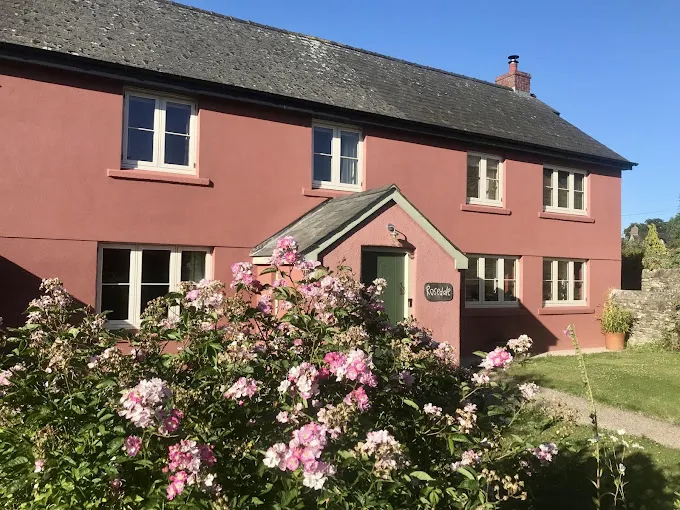
Spraying Silicone Render: Modern Solutions for South Wales
Modern property protection in South Wales has been transformed by advanced application techniques that combine speed, efficiency, and superior finish quality. Spraying silicone render represents the cutting edge of external wall finishing, offering homeowners and commercial property managers a durable, weather-resistant solution that stands up to the challenging Welsh climate. This innovative approach to render application delivers consistent coverage and professional results that traditional hand application methods simply cannot match.
The spray application method has gained significant popularity among South Wales property owners who demand both aesthetic appeal and long-lasting protection. With over 25 years of experience in the region, professional contractors have witnessed firsthand how this technology revolutionises the rendering process whilst delivering exceptional outcomes for residential and commercial projects alike.
Understanding Modern Silicone Render Technology
Silicone render systems represent a quantum leap forward from traditional cement-based renders. These advanced formulations incorporate polymer technology that creates a flexible, waterproof yet breathable membrane on external walls. The material’s unique properties make it particularly suited to the demanding conditions found throughout South Wales, where properties face everything from coastal salt air to driving rain.
The core benefit of silicone-based systems lies in their exceptional flexibility. Unlike rigid cement renders that can crack under thermal movement or building settlement, silicone renders accommodate natural building movement without compromising their protective barrier. This adaptability proves especially valuable for older properties in areas like Swansea and Cardiff, where Victorian and Edwardian buildings require finishes that work with their natural characteristics.
Call Us
Self-cleaning properties set these systems apart from conventional alternatives. The smooth surface texture and chemical composition naturally shed dirt and organic growth, maintaining the finish’s appearance for years without requiring pressure washing or chemical cleaning. This characteristic proves particularly beneficial for properties in exposed coastal locations where salt deposits and windborne debris can quickly deteriorate traditional finishes.
Chemical Composition and Performance
Modern silicone render formulations combine silicone resins with carefully selected aggregates and additives. The silicone content provides water repellence whilst maintaining vapour permeability, allowing moisture within wall structures to escape naturally. This balance prevents the damp problems that can occur with impermeable coating systems.
UV stability ensures colour retention over extended periods. Unlike organic-based coatings that fade under constant sunlight exposure, silicone systems maintain their appearance throughout the South Wales climate variations. Properties finished with these systems retain their fresh appearance for decades without requiring recoating or maintenance.
Spray Application Advantages Over Traditional Methods
Spraying silicone render offers numerous advantages over conventional hand application techniques. The spray process ensures uniform coverage across entire wall surfaces, eliminating the texture variations and thickness inconsistencies that can occur with float application. Professional spray equipment atomises the material to create an even coating that follows the contours of substrates perfectly.
Speed of application represents perhaps the most obvious benefit for property owners. Where traditional rendering might require multiple operatives working for several days, spray application can complete entire house exteriors in a fraction of the time. This efficiency translates directly into reduced labour costs and minimised disruption for occupants.
Material wastage drops significantly with spray methods. The controlled application process ensures maximum material utilisation, reducing both costs and environmental impact. Professional contractors report material savings that often offset the investment in spray equipment, passing these benefits on to clients through competitive pricing.
Weather window requirements become less restrictive with spray application. The rapid coverage capability allows contractors to complete sections quickly when conditions permit, rather than leaving partially completed hand-applied areas vulnerable to weather damage.
Equipment and Technique Requirements
Professional spray rendering demands specialised equipment and extensive operator training. High-pressure pumps, properly configured spray guns, and appropriate air compressors work together to achieve optimal atomisation and coverage. The equipment must be regularly maintained and calibrated to ensure consistent performance across different projects.
Operator skill significantly influences final results. Experienced professionals understand how to adjust spray patterns, maintain consistent working distances, and manage overlap zones to create seamless finishes. This expertise develops through years of practice and cannot be replicated by inexperienced operatives attempting to use spray equipment.
Silicone Render Applications in South Wales Properties
The diverse architectural landscape of South Wales presents numerous opportunities for silicone render application. Victorian terraces, modern developments, commercial buildings, and industrial structures all benefit from the protective and aesthetic qualities these systems provide. Each building type presents unique challenges that spraying silicone render addresses effectively.
Coastal properties experience particularly harsh environmental conditions. Salt-laden air, driving rain, and extreme temperature fluctuations demand finishes capable of withstanding these challenges without deterioration. Silicone systems excel in these environments, providing long-term protection that maintains both structural integrity and visual appeal.
New build developments increasingly specify silicone renders for their combination of performance and aesthetics. The ability to achieve consistent finishes across multiple properties appeals to developers who require reliable results and predictable timescales. Spray application ensures every property receives identical treatment, maintaining development standards throughout.
Renovation projects benefit enormously from silicone render upgrades. Properties with failing traditional renders can be transformed with modern systems that address the root causes of the original problems whilst providing enhanced weather protection and improved appearance.
Substrate Preparation Requirements
Successful silicone render application begins with thorough substrate preparation. Existing renders must be assessed for soundness, with any loose or hollow areas removed before new application. This preparation phase proves critical for achieving long-term adhesion and performance.
Surface contamination removal ensures optimal bonding between substrate and new render. Oil stains, biological growth, and salt deposits can all interfere with adhesion, requiring specific cleaning treatments before render application proceeds. Professional assessment identifies these issues and specifies appropriate preparation methods.
Comparing Silicone Render Systems
Understanding the distinctions between available silicone render systems helps property owners make informed decisions about their projects. Different formulations offer varying characteristics that suit specific applications and performance requirements.
| System Type | Application Method | Typical Thickness | Key Benefits | Best Applications |
|---|---|---|---|---|
| Thin Coat Silicone | Spray Application | 1.5-2mm | Flexible, self-cleaning | New builds, renovations |
| Textured Silicone | Spray and hand finish | 2-3mm | Decorative options | Feature walls, commercial |
| Mineral Silicone | Hand or spray | 3-6mm | Traditional appearance | Period properties |
| Reinforced Silicone | Spray application | 2-4mm | High impact resistance | Public buildings, schools |
Colour availability varies between systems, with some offering extensive palettes whilst others focus on traditional tones. The selection process should consider both aesthetic preferences and practical requirements such as heat reflection and dirt visibility.
Texture options range from smooth machine finishes to heavily textured surfaces that replicate traditional render appearances. Spraying silicone render accommodates most texture preferences through appropriate equipment selection and application techniques.
Weather Resistance and Longevity in Welsh Conditions
South Wales weather patterns present unique challenges for external building finishes. The region experiences high rainfall, strong winds, temperature fluctuations, and in coastal areas, salt air exposure. These conditions test render systems continuously, making material selection critical for long-term success.
Silicone render systems demonstrate exceptional resistance to water penetration whilst maintaining breathability. This combination prevents the freeze-thaw damage that commonly affects cement-based renders during winter months. The flexible nature of silicone systems accommodates thermal expansion and contraction without cracking.
Biological resistance helps maintain appearance and structural integrity. Algae and moss growth can degrade traditional renders over time, creating unsightly staining and potentially compromising the protective barrier. Silicone systems naturally resist biological colonisation, maintaining their appearance and performance characteristics.
As experienced contractor Tony Malone noted in his recent review: “Could not have asked for more! Jeff made our walls look brand new, we really couldn’t believe how good his plaster work is and how it’s made such a difference.” This level of transformation demonstrates the visual impact that professional application achieves.
Maintenance Requirements and Lifecycle Costs
Long-term cost considerations favour silicone render systems despite their higher initial investment. Traditional renders require regular maintenance, including crack repairs, repainting, and eventual replacement. Silicone systems eliminate most of these ongoing costs through their inherent durability and self-maintaining properties.
Cleaning requirements remain minimal throughout the system lifespan. The self-cleaning action of rainwater removes most dirt and staining, whilst occasional low-pressure washing addresses any stubborn deposits. This low-maintenance characteristic appeals particularly to property managers and landlords seeking to minimise ongoing costs.
Professional Installation Process
Achieving optimal results with spraying silicone render requires systematic approach from initial assessment through final inspection. Professional contractors follow established procedures that ensure every aspect of the installation meets performance requirements.
Initial site surveys assess existing conditions and identify potential challenges. This evaluation covers substrate condition, architectural details, access requirements, and environmental factors that might influence the installation process. Thorough planning at this stage prevents complications during application.
Material preparation involves mixing systems to precise specifications. Silicone renders require careful attention to mixing ratios and timing to achieve optimal performance characteristics. Professional grade equipment ensures consistent mixing throughout the application process.
Application sequences follow logical progressions that minimise joint lines and ensure uniform coverage. Starting points and stopping points are planned to avoid obvious visual breaks in the finished surface. Weather monitoring throughout the process ensures optimal curing conditions.
As property developer Keri Hopkins recently observed: “With over 15 years in the building trade I have experienced several different plasterers all offering different styles and finishes. Geoff’s thin coat spray finish render would rival the best.” This professional endorsement highlights the quality achievable through expert application.
Quality Control and Inspection
Professional installations incorporate multiple inspection points throughout the process. These checks verify coverage uniformity, thickness consistency, and proper detailing around architectural features. Any deficiencies identified during these inspections receive immediate attention before proceeding to subsequent stages.
Final inspections assess the completed installation against project specifications. This comprehensive review covers visual appearance, coverage completeness, and proper execution of all detail work. Documentation of the inspection process provides clients with confidence in the work completed.
Environmental Considerations and Sustainability
Modern construction practices increasingly emphasise environmental responsibility and sustainable building techniques. Silicone render systems contribute to these objectives through several mechanisms that benefit both property owners and the broader environment.
Energy efficiency improvements occur when silicone renders are combined with external wall insulation systems. The continuous coating eliminates thermal bridges whilst the insulation reduces heat loss, creating significant reductions in heating requirements. Properties upgraded with these systems commonly report substantial energy cost savings.
Material longevity reduces environmental impact through extended service life. Rather than requiring replacement or major maintenance every few years, silicone systems can provide decades of service with minimal intervention. This durability reduces both material consumption and waste generation over the building lifetime.
Low maintenance requirements eliminate the need for chemical cleaning products and frequent repainting. Traditional renders often require biocide treatments and regular coating renewals that introduce chemicals into the environment. Silicone systems maintain their performance without these interventions.
Waste Reduction and Resource Efficiency
Spray application minimises material wastage compared to traditional methods. The controlled delivery system ensures optimal material utilisation whilst reducing packaging waste through bulk material handling. Professional contractors report significant waste reductions that benefit both project costs and environmental impact.
Equipment efficiency improvements continue advancing spray technology capabilities. Modern systems use less energy whilst delivering superior results, reducing the carbon footprint of each installation. These advances make professional spray application increasingly attractive from both performance and environmental perspectives.
Cost Analysis and Value Proposition
Investment decisions regarding spraying silicone render require consideration of both immediate costs and long-term value. Whilst initial expenses may exceed traditional alternatives, the total cost of ownership often favours silicone systems through reduced maintenance requirements and extended service life.
Labour cost reductions from spray application partially offset higher material costs. The efficiency gains achievable through professional spray equipment translate into competitive project pricing despite the premium nature of the materials involved. Many clients find the total project cost comparable to high-quality traditional alternatives.
Property value enhancement represents an often-overlooked benefit of silicone render upgrades. The improved appearance, reduced maintenance requirements, and enhanced weather protection appeal to potential buyers and can justify premium pricing. Estate agents frequently comment on the positive impact of professional rendering on property marketability.
Energy cost savings provide ongoing returns on investment. When combined with insulation upgrades, silicone render systems can dramatically reduce heating costs, providing measurable financial benefits throughout their service life. These savings often accumulate to substantial amounts over the system lifetime.
Financing and Return on Investment
Various financing options may be available for property improvement projects incorporating silicone render systems. Some energy efficiency upgrades qualify for government incentive programmes or preferential financing terms. Professional contractors can provide guidance on available options and application procedures.
Rental property owners particularly benefit from reduced maintenance costs and enhanced tenant appeal. The professional appearance and low maintenance characteristics of silicone systems appeal to quality tenants whilst reducing ongoing management costs. These factors contribute to improved rental yields and property values.
Choosing Professional Contractors for Silicone Render Projects
Selecting appropriate contractors proves crucial for achieving optimal results with silicone render systems. The specialised nature of both the materials and application techniques requires experienced professionals with proper training and equipment.
Experience with spray application techniques cannot be substituted through general rendering knowledge. The equipment operation, material handling, and application patterns require specific training and practical experience. Contractors should demonstrate successful completion of similar projects and ongoing professional development.
Equipment quality and maintenance standards directly influence application results. Professional contractors invest in appropriate spray equipment and maintain it to manufacturer specifications. This commitment to equipment quality translates into consistent application results across different projects.
Insurance and guarantee provisions provide essential protection for property owners. Reputable contractors carry appropriate public liability insurance and offer meaningful guarantees on their work. These protections ensure clients have recourse in the unlikely event of problems with the installation.
At Coloured Rendering South Wales, we bring over 25 years of experience to every spraying silicone render project throughout the region. Our perfect 5.0 Google rating reflects our commitment to delivering exceptional results that protect and enhance properties for decades. We combine advanced spray application technology with comprehensive understanding of South Wales building conditions to provide solutions that exceed client expectations.
Our approach begins with thorough property assessment and detailed consultation to identify the most appropriate silicone render system for each project. We explain the options available and provide clear, comprehensive quotations that outline every aspect of the proposed work. Throughout the installation process, we maintain the highest standards of workmanship whilst minimising disruption to property occupants.
Contact Coloured Rendering South Wales for a free quote or consultation on your rendering project to learn how our expertise can transform your property with professional silicone render application. Our team provides detailed assessments and recommendations tailored to your specific requirements and budget.
Future Trends in Silicone Render Technology
Ongoing development in silicone render formulations continues advancing the capabilities and applications of these systems. Research focuses on enhanced performance characteristics, expanded colour options, and improved application techniques that further increase the appeal of these advanced finishing systems.
Nanotechnology integration promises enhanced self-cleaning properties and increased durability. These advances may further extend system lifespans whilst reducing maintenance requirements even below current levels. Early research results suggest significant potential for performance improvements.
Smart coating development explores integration of sensors and responsive materials that can indicate maintenance needs or environmental conditions. Whilst still in development phases, these technologies may eventually provide additional value for building management and maintenance planning.
Application technique improvements continue advancing spray equipment capabilities and operator training programmes. These developments make professional spray application more accessible whilst maintaining the quality standards required for optimal system performance.
For property owners considering external wall upgrades, staying informed about these developments helps ensure investment decisions align with future technologies. Professional contractors maintain awareness of industry advances and can provide guidance on timing decisions to maximise value from rendering investments.
Learn more about our experienced team and rendering expertise to understand how current technologies can benefit your property improvement projects.
The evolution of spraying silicone render technology represents a significant advancement in building protection and aesthetics. South Wales property owners who choose these systems benefit from superior weather resistance, reduced maintenance requirements, and enhanced property values. Professional installation ensures optimal performance and longevity, making this investment an intelligent choice for forward-thinking property owners.
How will your property benefit from the advanced protection and aesthetic appeal that modern silicone render systems provide? What maintenance cost savings could you achieve through upgrading to low-maintenance silicone finishes? Consider scheduling a professional assessment to understand the potential improvements available for your specific property and circumstances.