Expert Wall Insulation Kidwelly – Energy Efficient Solutions
Wall insulation Kidwelly services have become increasingly important for property owners seeking to reduce energy costs and improve home comfort throughout this historic Carmarthenshire town. Whether you own a traditional Welsh cottage or a modern home in Kidwelly, proper wall insulation can transform your property’s thermal performance whilst enhancing its external appearance. For expert wall insulation solutions that combine energy efficiency with attractive rendered finishes, contact 07815 868070 to discuss your specific requirements with our experienced team.
This comprehensive guide examines everything you need to know about wall insulation options in Kidwelly, from understanding different insulation systems to selecting the most appropriate solution for your property. You’ll learn about the benefits of external wall insulation, how modern rendering techniques enhance both thermal performance and aesthetics, and why choosing the right contractor makes all the difference to your project’s success.
Understanding Wall Insulation Systems in Kidwelly
Wall insulation Kidwelly properties require careful consideration of the unique challenges presented by Welsh coastal climate conditions and traditional building construction methods. Many properties in Kidwelly feature solid wall construction typical of older Welsh buildings, which presents specific insulation challenges compared to modern cavity wall construction.
External wall insulation represents the most effective approach for solid wall properties, providing continuous insulation coverage whilst protecting the existing wall structure. This method involves fixing high-performance insulation boards directly to external walls, followed by a weatherproof rendered finish that enhances both thermal performance and property appearance.
Call Us
Internal wall insulation offers an alternative approach where external work isn’t feasible, though this method reduces internal floor space and requires careful attention to thermal bridging and moisture management. The choice between internal and external systems depends on property characteristics, planning considerations, and performance objectives.
Modern insulation materials include expanded polystyrene, mineral wool, and polyurethane foam boards, each offering different thermal properties and installation characteristics. The selection of appropriate insulation material depends on wall construction, exposure conditions, and desired thermal performance levels.
Benefits of Professional Wall Insulation Installation
Professional wall insulation Kidwelly installation delivers numerous advantages that extend far beyond simple energy savings. Properly installed insulation systems create more comfortable living environments by eliminating cold spots and reducing temperature fluctuations throughout properties.
Energy efficiency improvements from quality wall insulation can substantially reduce heating costs, particularly important given rising energy prices. Properties with effective insulation require less heating to maintain comfortable temperatures, resulting in lower utility bills and reduced carbon footprints.
Enhanced property values represent another significant benefit, as energy-efficient homes command higher market prices and appeal to environmentally conscious buyers. Improved Energy Performance Certificate ratings directly influence property marketability and rental potential.
Moisture management benefits include reduced condensation risks and improved internal air quality. Proper insulation systems help maintain consistent internal temperatures, reducing conditions that promote condensation and potential mould growth.
External Wall Insulation Solutions for Kidwelly Properties
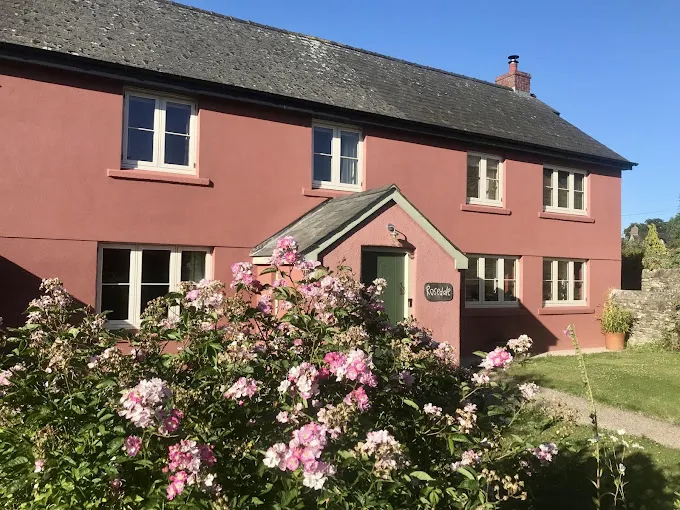
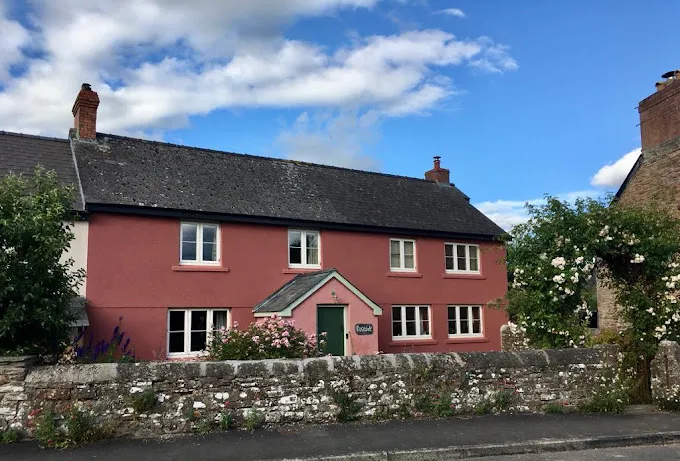
External wall insulation systems provide comprehensive thermal upgrades whilst transforming property appearance with attractive rendered finishes. This approach proves particularly effective for solid wall properties common throughout Kidwelly’s historic building stock.
The installation process begins with thorough property assessment to determine appropriate insulation thickness and system specification. Professional installers mechanically fix insulation boards to existing walls, ensuring continuous coverage that eliminates thermal bridging.
Reinforcement mesh embedded in base coat render provides structural integrity and crack resistance. This mesh layer creates a robust foundation for decorative finish coats that protect the insulation system whilst enhancing property aesthetics.
Finish coat options include silicone renders, acrylic systems, and mineral-based coatings, each offering different performance characteristics and aesthetic possibilities. Modern render systems provide excellent weather protection whilst allowing moisture vapour transmission from internal spaces.
Attention to architectural details ensures professional results around windows, doors, and building features. Proper detailing prevents thermal bridging and weather penetration whilst maintaining attractive visual proportions.
Choosing the Right Insulation System
Selecting appropriate wall insulation Kidwelly systems requires understanding property characteristics, performance objectives, and local environmental conditions. Coastal locations like Kidwelly present specific challenges including salt air exposure and driving rain that influence system selection.
Insulation thickness affects both thermal performance and visual impact, with thicker systems providing better energy efficiency but greater changes to external appearance. Building regulations specify minimum thermal performance requirements, though exceeding these standards often proves cost-effective long-term.
Render finish selection influences both performance and maintenance requirements. Silicone-based renders offer excellent weather resistance and self-cleaning properties, whilst acrylic systems provide good performance at lower cost. Through-coloured renders eliminate ongoing painting requirements.
Planning permission considerations may influence system selection, particularly for properties in conservation areas or with specific architectural significance. Professional contractors understand local planning requirements and can advise on appropriate solutions.
| Insulation Type | Thermal Performance | Durability | Maintenance | Cost |
|---|---|---|---|---|
| External Wall Insulation | Excellent | High | Low | Moderate to High |
| Internal Wall Insulation | Good | Moderate | Low | Moderate |
| Cavity Wall Insulation | Good | High | Very Low | Low |
| Injected Foam Systems | Moderate | Variable | Low | Low to Moderate |
Professional Wall Insulation Services in Kidwelly
Coloured Rendering South Wales brings over 25 years of experience to wall insulation Kidwelly projects, combining traditional craftsmanship with modern insulation technology. Our expertise spans comprehensive external wall insulation systems that deliver exceptional thermal performance whilst enhancing property appearance through professional rendered finishes.
Our approach begins with detailed property assessment to understand existing wall construction, thermal performance, and specific challenges. We evaluate factors including wall condition, exposure levels, and architectural features to recommend the most appropriate insulation solution for your Kidwelly property.
Professional installation utilises certified external wall insulation systems from leading manufacturers, ensuring compliance with building regulations and manufacturer warranties. Our spray rendering technology enables efficient application of finish coats with consistent quality and reduced installation time.
Quality assurance throughout every project phase ensures optimal results that meet both thermal performance objectives and aesthetic expectations. We provide comprehensive aftercare support including maintenance guidance and warranty coverage for complete peace of mind.
Our local knowledge of Kidwelly’s architectural heritage and coastal climate conditions enables appropriate system specification that respects building character whilst delivering modern performance standards. Contact us at geoff@colouredrenderingsouthwales.com to discuss your wall insulation requirements.
Installation Process and Project Management
Professional wall insulation Kidwelly installation follows systematic processes that ensure optimal results whilst minimising disruption to property occupants. Initial surveys assess property condition and identify any preparatory work required before insulation installation.
Scaffold erection provides safe working access whilst protecting landscaping and adjacent properties. Weather protection measures ensure work can proceed safely during typical Welsh weather conditions.
Surface preparation includes cleaning existing walls, addressing any defects, and applying appropriate primer systems. This foundation work proves critical for long-term system performance and durability.
Insulation board installation follows manufacturer specifications with mechanical fixings providing secure attachment. Board joints are carefully sealed to prevent thermal bridging and moisture penetration.
Base coat application with embedded reinforcement mesh creates structural integrity whilst providing foundation for decorative finishes. Professional application ensures consistent thickness and proper mesh embedding.
Finish coat application utilises spray technology for efficient coverage and consistent appearance. Multiple thin coats build up to specified thickness with excellent adhesion and weather resistance.
Energy Efficiency and Cost Savings
Wall insulation Kidwelly installations deliver substantial energy efficiency improvements that translate into meaningful cost savings for property owners. Effective insulation reduces heat loss through walls, which typically accounts for a significant portion of total building heat loss in older properties.
Heating system efficiency improves when properties require less energy to maintain comfortable temperatures. Boilers and heat pumps operate more efficiently when heating well-insulated spaces, extending equipment life whilst reducing maintenance requirements.
Comfort improvements include elimination of cold spots and draughts that make rooms feel uncomfortable despite adequate heating. Even temperature distribution throughout properties creates more pleasant living environments.
Reduced heating demand allows consideration of renewable heating systems that might not have been viable in poorly insulated properties. Heat pumps become more effective when heating requirements are reduced through effective insulation.
Return on investment calculations demonstrate that quality wall insulation systems typically pay for themselves through energy savings over reasonable payback periods. Rising energy costs make insulation investments increasingly attractive financially.
Long-term Performance and Maintenance
Quality wall insulation Kidwelly systems provide decades of reliable performance when properly installed and maintained. Modern external wall insulation systems include manufacturer warranties extending up to 25 years, reflecting confidence in system durability.
Maintenance requirements remain minimal for quality systems, particularly those featuring through-coloured renders that eliminate painting requirements. Regular visual inspections identify any minor issues before they develop into significant problems.
Render systems designed for coastal conditions resist salt air exposure and driving rain typical of Kidwelly’s location. Self-cleaning properties help maintain appearance with minimal intervention.
Professional installation ensures proper detailing around building features that prevents water ingress and maintains system integrity. Quality workmanship proves essential for achieving expected system lifespan.
Ongoing support from experienced contractors provides confidence that any maintenance requirements will be addressed promptly and professionally, protecting your insulation investment.
Planning and Regulatory Considerations
Wall insulation Kidwelly projects must comply with building regulations that specify minimum thermal performance standards and installation requirements. Professional contractors understand these requirements and ensure all work meets current standards.
Planning permission may be required for external wall insulation systems, particularly on properties in conservation areas or with specific architectural significance. Early consultation with planning authorities helps identify any constraints or requirements.
Building control approval ensures installation meets structural and thermal performance requirements. Professional contractors manage this process, providing necessary documentation and arranging required inspections.
Energy Performance Certificate improvements result from effective insulation installation, potentially moving properties into higher efficiency bands. This improvement affects property values and rental potential.
Grant funding may be available for qualifying properties and circumstances, helping offset installation costs. Professional contractors can advise on current schemes and application processes.
Future Trends in Wall Insulation Technology
Wall insulation Kidwelly technology continues advancing with new materials and installation techniques that improve performance whilst reducing environmental impact. Sustainable insulation materials including natural fibres and recycled content products offer environmental benefits.
Smart building integration allows insulation systems to work with intelligent heating controls and monitoring systems. These technologies optimise energy use whilst providing data on system performance.
Improved render systems offer enhanced weather resistance and self-cleaning properties that reduce maintenance requirements. Advanced polymer technology provides better flexibility and crack resistance.
Installation techniques continue improving with better fixings, adhesives, and application methods that enhance system reliability. Professional training ensures contractors stay current with latest developments.
Performance monitoring technology enables ongoing assessment of insulation effectiveness, identifying any issues early and optimising system performance throughout its service life.
Conclusion
Wall insulation Kidwelly represents a valuable investment for property owners seeking to improve energy efficiency, reduce heating costs, and enhance property comfort and value. Modern external wall insulation systems combine effective thermal performance with attractive rendered finishes that protect and beautify properties for decades.
Professional installation proves essential for achieving optimal results that meet building regulations whilst delivering expected performance and durability. The combination of quality materials, expert installation, and ongoing support ensures your insulation investment provides lasting benefits.
How will improved wall insulation transform your Kidwelly property’s comfort and efficiency? What potential energy savings could quality insulation deliver for your specific property? Which insulation system would best suit your property’s characteristics and your performance objectives?
For expert advice on wall insulation solutions tailored to your Kidwelly property, contact our experienced team today. We provide free consultations and detailed quotations that help you make informed decisions about your insulation upgrade. Call 07815 868070 or visit our contact page to start your journey towards a more energy-efficient, comfortable home.