Essential Wall Insulation Neath Services for Energy Efficiency
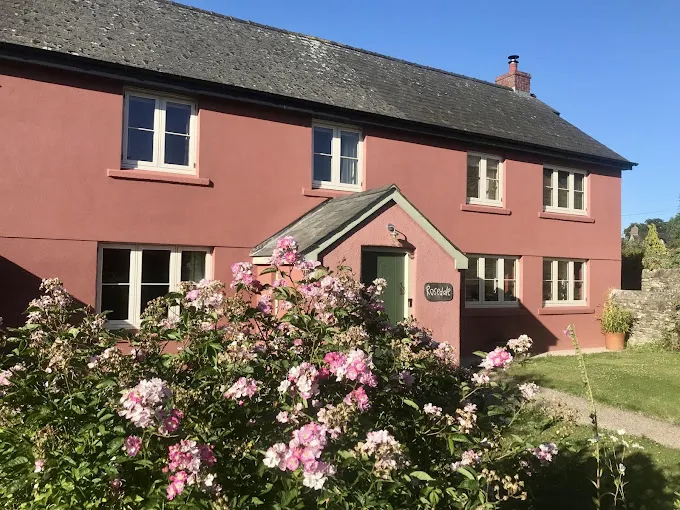
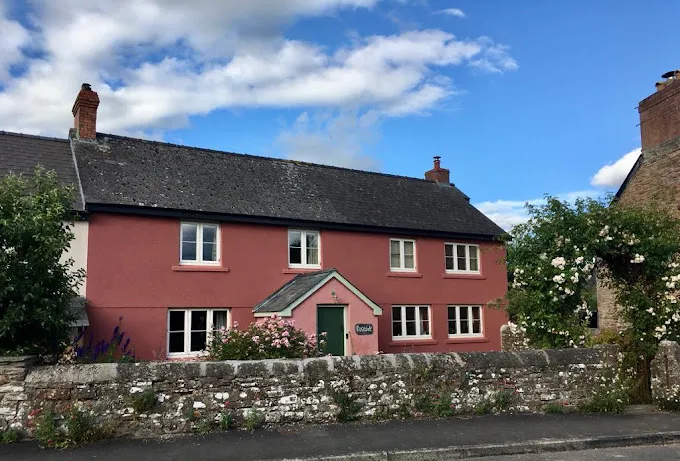
Wall insulation Neath services have become increasingly important for property owners seeking to reduce energy costs and improve comfort levels in their homes. Whether you’re dealing with solid walls that lose heat rapidly or simply want to enhance your property’s thermal performance, professional wall insulation solutions can transform how your building retains warmth. At Coloured Rendering South Wales, we combine advanced wall insulation techniques with attractive rendered finishes to provide comprehensive property improvement solutions throughout the Neath area. Our expertise in External Wall Insulation systems helps homeowners achieve significant energy savings while enhancing their property’s appearance and value.
Understanding the importance of proper wall insulation becomes clearer when you consider how much energy can be lost through poorly insulated walls. Modern wall insulation systems not only improve thermal efficiency but also address common issues like condensation, damp, and cold spots that affect many properties in the South Wales region.
Understanding Wall Insulation Systems in Neath Properties
The coastal climate of South Wales presents unique challenges for property insulation, making wall insulation Neath installations particularly important for maintaining comfortable indoor temperatures year-round. Traditional properties in the area often feature solid wall construction that lacks the cavity insulation found in modern buildings. These older structures can lose substantial amounts of heat through their external walls, leading to higher energy bills and reduced comfort levels.
External Wall Insulation represents the most effective solution for solid wall properties, involving the application of insulation boards directly to external walls followed by protective render systems. This approach addresses thermal bridging issues while providing weather protection and aesthetic enhancement. Internal wall insulation offers an alternative where external work isn’t feasible, though it reduces internal floor space and requires careful attention to ventilation and moisture management.
Call Us
The choice between different insulation approaches depends on factors including property age, construction type, planning permissions, and budget considerations. Professional assessment helps determine the most suitable wall insulation approach for each specific property and situation.
Benefits of Professional Wall Insulation Neath Solutions
Implementing comprehensive wall insulation Neath systems delivers numerous advantages that extend beyond simple energy savings. Thermal efficiency improvements typically result in warmer internal temperatures during winter months and cooler conditions during summer, creating more comfortable living environments throughout the year. Reduced energy consumption directly translates to lower heating bills, with many homeowners experiencing substantial ongoing savings that help offset initial installation costs.
Enhanced comfort levels represent another significant benefit, as properly insulated walls eliminate cold spots and reduce drafts that commonly affect older properties. Moisture management improves considerably with appropriate insulation systems, reducing condensation issues that can lead to mould growth and structural problems. Sound insulation properties also improve with external wall insulation systems, creating quieter internal environments by reducing noise transmission from outside.
Property value enhancement occurs through improved Energy Performance Certificate ratings, making properties more attractive to potential buyers and meeting increasingly stringent rental property requirements. The combination of insulation with attractive rendered finishes provides dual benefits of thermal performance and aesthetic improvement, making wall insulation investments particularly worthwhile for property owners.
Energy Efficiency Improvements Through Wall Insulation
Wall insulation Neath installations can dramatically improve property energy efficiency by reducing heat loss through external walls. Solid wall properties commonly lose significant amounts of heat through their uninsulated walls, making heating systems work harder to maintain comfortable temperatures. Professional insulation systems create continuous thermal barriers that prevent heat escape while allowing controlled moisture movement.
Modern insulation materials offer excellent thermal performance characteristics, with different systems providing varying levels of improvement depending on thickness and material properties. Polyurethane foam boards deliver high insulation values in relatively thin applications, while mineral wool systems provide good thermal performance with excellent fire resistance properties. Phenolic foam boards offer superior thermal performance in minimal thickness applications, making them suitable where space constraints exist.
The thermal bridge reduction achieved through external insulation systems eliminates heat loss paths that occur at structural connections in traditional construction. This comprehensive approach to thermal improvement ensures maximum energy efficiency gains from wall insulation investments.
External Wall Insulation Systems for Neath Properties
External Wall Insulation systems represent the most comprehensive approach to wall insulation Neath applications, combining thermal improvement with weather protection and aesthetic enhancement. These systems involve mechanically fixing insulation boards to external walls, applying reinforcing mesh and base coat, then finishing with decorative render systems that provide long-term weather protection.
The insulation boards used in EWI systems typically comprise expanded polystyrene, polyurethane, or mineral wool materials, each offering specific advantages for different applications. Expanded polystyrene provides cost-effective insulation with good moisture resistance, while polyurethane delivers superior thermal performance in thinner applications. Mineral wool systems offer excellent fire resistance and acoustic properties, making them suitable for commercial applications and buildings with specific safety requirements.
Render finish options include acrylic, silicone, and mineral systems, each providing different performance characteristics and aesthetic possibilities. Silicone renders offer excellent weather resistance and self-cleaning properties, while acrylic systems provide good flexibility and colour retention. Mineral renders deliver traditional appearance with excellent durability and breathability characteristics.
Professional installation ensures proper detailing around windows, doors, and architectural features, preventing thermal bridging and moisture ingress that could compromise system performance. Mechanical fixings, adhesive application, and render thickness all require precise specification and application to achieve optimal results.
Installation Process for External Wall Insulation
The installation process for wall insulation Neath projects begins with thorough property assessment to determine suitable insulation systems and identify any preparatory work required. Existing render condition, wall substrate, and architectural details all influence system selection and installation methodology. Scaffolding erection provides safe working access while protecting surrounding areas from construction activities.
Surface preparation involves cleaning existing walls, repairing defects, and applying appropriate primer systems to ensure optimal insulation board adhesion. Insulation boards are then mechanically fixed and adhesive-bonded to create continuous thermal barriers, with particular attention to joints and edges to prevent thermal bridging. Base coat application over reinforcing mesh provides impact resistance and weather protection for the insulation layer.
Render application requires careful attention to thickness, texture, and colour consistency to achieve professional finish quality. Weather conditions during application affect curing times and final appearance, making proper scheduling important for optimal results. Quality control throughout the installation process ensures system performance and longevity.
| Insulation Type | Thermal Performance | Thickness Required | Cost Level | Durability |
|---|---|---|---|---|
| Expanded Polystyrene | Good | Moderate | Economy | High |
| Polyurethane Foam | Excellent | Minimal | Premium | High |
| Mineral Wool | Good | Moderate | Standard | Excellent |
| Phenolic Foam | Superior | Minimal | Premium | High |
Internal Wall Insulation Options
Internal wall insulation provides an alternative approach for wall insulation Neath applications where external work isn’t feasible due to planning restrictions, architectural constraints, or building ownership arrangements. These systems involve applying insulation materials to internal wall surfaces, typically using rigid boards or flexible batts combined with vapour barriers and finishing systems.
Rigid insulation boards offer space-efficient solutions with good thermal performance, while flexible insulation materials provide easier installation around irregular surfaces and services. Vapour barrier installation requires careful attention to prevent moisture problems that could affect insulation performance and building fabric. Finishing systems must accommodate the additional wall thickness while maintaining acceptable room proportions and functionality.
Ventilation considerations become particularly important with internal insulation systems, as reduced thermal mass and changed moisture dynamics can affect indoor air quality. Mechanical ventilation systems may be necessary to maintain healthy indoor environments while maximising insulation benefits. Electrical and plumbing services often require relocation or modification to accommodate insulation thickness.
Cost considerations for internal systems include material costs, installation labour, and ancillary work such as service modifications and room refinishing. While material costs may be lower than external systems, the total project cost can be comparable when all factors are considered.
Coloured Rendering South Wales Wall Insulation Services
Coloured Rendering South Wales brings over twenty-five years of experience to wall insulation Neath projects, combining thermal improvement expertise with attractive rendered finishes that enhance property appearance and value. Our comprehensive approach to External Wall Insulation ensures optimal thermal performance while delivering long-lasting, low-maintenance exterior finishes that withstand South Wales weather conditions.
Our team specialises in complete EWI systems that integrate high-performance insulation with premium render finishes, including silicone, acrylic, and mineral systems. Each project begins with detailed property assessment to determine the most suitable insulation approach and render specification for your specific requirements and budget. We work closely with homeowners to select colours and textures that complement property architecture while maximising thermal benefits.
Professional installation using modern spray rendering techniques ensures consistent finish quality and efficient project completion. Our perfect five-star Google rating reflects our commitment to customer satisfaction and quality workmanship across all wall insulation projects. We provide comprehensive warranties on both insulation systems and render finishes, giving you confidence in your investment.
Contact us at 07815 868070 or email geoff@colouredrenderingsouthwales.com for a free consultation about your wall insulation requirements. Our local expertise and proven track record make us the ideal choice for wall insulation Neath projects that deliver lasting thermal improvements and aesthetic enhancement.
Our External Wall Insulation Process
Our systematic approach to wall insulation Neath installations ensures optimal results through careful planning, quality materials, and expert installation techniques. Initial property surveys identify specific insulation requirements, existing wall conditions, and any preparatory work needed before installation begins. We provide detailed quotations outlining proposed systems, materials, and project timelines to help you make informed decisions.
Material selection considers property age, construction type, and performance requirements to specify appropriate insulation boards and render systems. We use only certified EWI systems from leading manufacturers, ensuring compliance with building regulations and manufacturer warranties. Professional installation teams complete projects efficiently while maintaining high quality standards throughout.
Post-installation support includes maintenance guidance and prompt response to any concerns about system performance. Our comprehensive approach to wall insulation projects ensures you receive maximum benefits from your investment in thermal improvement and property enhancement.
Planning and Regulatory Considerations
Wall insulation Neath projects must comply with various planning and building regulation requirements that affect system selection and installation methods. Building regulations typically require minimum thermal performance standards for insulation upgrades, while planning permissions may be necessary for external insulation systems that alter building appearance or exceed thickness limits.
Conservation area restrictions and listed building constraints can significantly impact insulation options, often requiring internal systems or specialist external approaches that maintain architectural character. Party wall agreements may be necessary where insulation work affects shared boundaries or neighbouring properties. Professional guidance helps navigate these regulatory requirements while identifying compliant solutions.
Energy efficiency grants and funding schemes sometimes support wall insulation projects, particularly for properties with poor energy ratings or specific demographic criteria. These programmes can significantly reduce project costs while delivering improved thermal performance and comfort levels. Staying informed about available support schemes helps maximise the financial benefits of insulation investments.
Building control approval ensures installations meet current standards and regulations, providing confidence in system performance and compliance. Professional contractors familiar with local requirements can guide you through approval processes while ensuring work meets all necessary standards.
Maintenance and Longevity of Wall Insulation Systems
Properly installed wall insulation Neath systems require minimal maintenance while delivering decades of thermal performance and weather protection. External insulation systems with quality render finishes typically provide twenty to thirty years of service with basic maintenance, while internal systems can last even longer when properly installed and maintained.
Regular visual inspections help identify any minor issues before they develop into significant problems. External systems benefit from annual checks of render condition, particularly around windows, doors, and roof junctions where weather exposure is greatest. Cleaning requirements vary with render type, with silicone systems offering self-cleaning properties that reduce maintenance needs.
Minor repairs such as small cracks or surface damage can typically be addressed quickly and cost-effectively when identified early. Professional maintenance services ensure repairs use compatible materials and techniques that maintain system integrity and appearance. Preventive maintenance programmes help maximise system lifespan while preserving thermal performance.
Warranty provisions typically cover both insulation performance and render finish quality, providing long-term protection for your investment. Understanding warranty requirements and maintaining compliance helps ensure coverage remains valid throughout the warranty period.
Signs Your Property Needs Wall Insulation
Several indicators suggest that wall insulation Neath services could benefit your property significantly. Cold internal walls during winter months indicate poor thermal performance, while condensation on wall surfaces suggests inadequate insulation allowing temperature differentials that promote moisture problems. High heating bills relative to property size and usage patterns often reflect heat loss through uninsulated walls.
Drafts around wall areas, particularly near windows and doors, can indicate thermal bridging issues that comprehensive insulation systems address effectively. Temperature variations between rooms may suggest uneven insulation levels that external systems can equalise. Mould growth on external walls often results from thermal bridging creating cold spots where condensation occurs.
Energy Performance Certificate ratings below C level typically indicate properties that would benefit significantly from wall insulation improvements. Professional thermal imaging surveys can identify specific heat loss areas and quantify potential improvements from insulation upgrades.
Future Trends in Wall Insulation Technology
Wall insulation Neath applications continue evolving with advancing materials technology and changing building performance requirements. Smart insulation systems incorporating phase change materials offer enhanced thermal regulation by storing and releasing heat as temperatures fluctuate. These advanced materials provide more consistent internal temperatures while reducing energy consumption.
Sustainable insulation materials including recycled content and bio-based options are becoming increasingly available, supporting environmental objectives while maintaining thermal performance. Natural materials such as wood fibre and hemp-based insulations offer excellent thermal properties with reduced environmental impact compared to traditional synthetic materials.
Integrated building systems combining insulation, renewable energy generation, and smart home technology create comprehensive approaches to property energy management. These systems optimise energy usage while maximising comfort and minimising environmental impact through coordinated operation of heating, ventilation, and renewable energy systems.
Building regulation changes continue driving higher insulation standards, making comprehensive wall insulation increasingly important for compliance and property value preservation. Future requirements may mandate higher performance levels, making current investments in quality insulation systems increasingly valuable.
Conclusion
Wall insulation Neath services provide essential thermal improvements that enhance comfort, reduce energy costs, and increase property values throughout the region. Whether through comprehensive External Wall Insulation systems or targeted internal approaches, professional insulation solutions address the specific challenges faced by South Wales properties while delivering long-term benefits that justify the investment.
The combination of thermal improvement with attractive rendered finishes creates dual benefits that enhance both property performance and appearance. Modern insulation systems provide decades of reliable service while requiring minimal maintenance, making them excellent long-term investments for property owners seeking sustainable improvements.
As you consider the potential benefits of wall insulation for your property, think about these key questions: How much could you save on heating costs with properly insulated walls? What impact would improved thermal comfort have on your daily life and wellbeing? Could enhanced energy efficiency ratings increase your property’s market appeal and value? These considerations highlight the multiple ways that professional wall insulation services can benefit your property and lifestyle while contributing to broader environmental objectives through reduced energy consumption.
Contact Coloured Rendering South Wales today to discuss your wall insulation requirements and discover how our expertise can transform your property’s thermal performance and appearance.