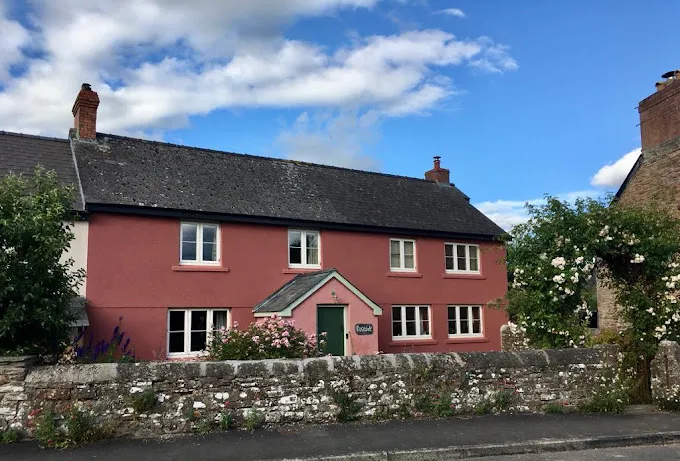
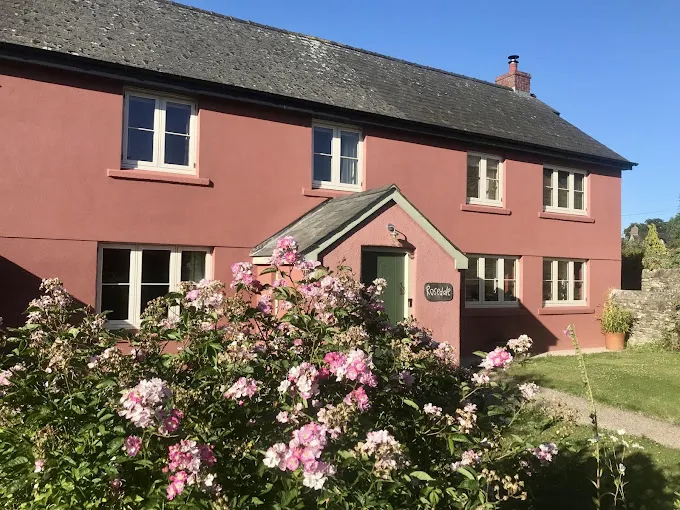
Expert External Rendering Mumbles Guide
External rendering Mumbles homeowners rely on must withstand salt air, driving rain, and coastal exposure – discover the best render systems, application methods, and local specialists for lasting results.
Table of Contents
- What Is External Rendering?
- Render Systems Suited to Mumbles Properties
- The External Rendering Application Process
- Choosing an External Rendering Contractor in Mumbles
- Frequently Asked Questions
- Render Systems Compared
- Coloured Rendering South Wales
- Practical Tips for Mumbles Property Owners
- The Bottom Line
- Sources & Citations
Article Snapshot
External rendering Mumbles is the application of a protective and decorative coating to exterior walls, shielding properties from the village’s coastal weather. Modern silicone and monocouche systems outperform traditional cement renders in salt-air environments, delivering durable, low-maintenance finishes suited to Mumbles’ distinctive seafront and residential properties.
External rendering Mumbles in Context
- Traditional external rendering uses 2 to 3 coats applied to a final thickness of around 15 mm (Wikipedia, 2026)[1]
- Monocouche render achieves a complete through-coloured finish in a single coat, reducing labour time on site (PD Rendering, 2026)[2]
- Mineral render is ready to paint within a few days of application (PD Rendering, 2026)[2]
- A full rendering system mirrors the 3-coat painting principle – primer, undercoat, and topcoat – to achieve optimal adhesion and finish (Wikipedia, 2026)[1]
What Is External Rendering?
External rendering Mumbles specialists apply to properties is a surface coating system that protects masonry walls from rain penetration, wind-driven moisture, and physical wear while adding decorative appeal. As one widely cited source puts it, “An external render is, in its most basic form, a coating applied to the walls of a building, to provide a protective coating which would prevent rain penetration” (Wikipedia, 2026)[1]. That protective purpose has remained constant for centuries, even as materials have advanced considerably.
Coloured Rendering South Wales has been delivering high-quality external wall finishes across South Wales since 1998, and Mumbles is one of the most demanding environments the team encounters. The combination of tidal exposure, persistent south-westerly winds, and the seaside microclimate means that render selection and application quality directly determine how long a finish lasts.
Historically, external wall coatings were lime-based. An early technical record notes that “these plasters were various mixtures of lime, earth, sand and sometimes dung or blood. Their purpose was to improve the weather-proofing of the wall” (Communities NI, 2026)[3]. Modern renders have replaced these with polymer-modified, silicone-enhanced, and fibre-reinforced systems that offer far greater consistency and longevity – critical qualities for Mumbles seafront properties.
Call Us
Understanding the distinction between render types, coat structures, and application methods helps property owners in Mumbles make informed decisions before committing to a contractor. The sections below cover render systems, the application process, what to look for in a contractor, and practical guidance specific to this coastal village.
Render Systems Suited to Mumbles Properties
Selecting the right render system for a Mumbles property depends on the substrate, the level of coastal exposure, and the desired aesthetic outcome. Not every render system performs equally in a salt-air, high-rainfall environment, and specifying the wrong product leads to premature cracking, water ingress, and expensive repairs.
Thin Coat Silicone Render
Thin coat silicone render is widely regarded as the best-performing system for coastal properties in South Wales. Its polymer-modified formula is inherently flexible, meaning it accommodates minor substrate movement without cracking – a significant advantage on older Mumbles terraces and solid stone walls that shift seasonally. The silicone content makes the surface hydrophobic, repelling rainwater and salt spray rather than absorbing them, while the breathable structure allows moisture vapour trapped in the wall to escape outward. This balance between waterproofing and breathability is particularly important for properties close to the Gower coast, where driving rain and humidity are regular features of the climate.
An additional advantage for homeowners is the self-cleaning effect built into many silicone systems. Rain washes surface dirt downward rather than allowing it to bond with the finish, keeping rendered elevations looking fresh with minimal maintenance. Colour is factory-mixed into the product, so there is no need for periodic repainting. Choosing the right facade render and paint system is a decision worth taking time over, particularly for a seafront or near-seafront location like Mumbles.
Monocouche Through Colour Render
Monocouche render is a single-coat, pre-coloured cement-based system applied in one pass to achieve both structural coverage and finished appearance simultaneously (PD Rendering, 2026)[2]. Because the colour runs throughout the full depth of the coat, minor surface scuffs or weathering do not expose a different-coloured substrate beneath. This makes monocouche a practical choice for exposed elevations on Mumbles properties where the render surface faces direct weather impact.
The textured finish options available in monocouche – from fine scraped to medium roughcast – also provide character that suits the mix of traditional and contemporary properties found throughout the village. Where a developer or homeowner wants a consistent finish across multiple elevations or a new-build scheme, monocouche delivers uniform results efficiently.
One Coat Cement Render
One coat cement render is a cost-effective option for properties where the owner intends to paint the exterior, or where budget constraints make silicone or monocouche systems less practical. Applied using spray equipment for consistent thickness, it provides reliable weather protection and a stable base for masonry paint. It does not carry the inherent flexibility or self-cleaning properties of silicone renders, but a well-specified and properly applied cement render performs soundly in sheltered Mumbles locations away from the immediate seafront.
The External Rendering Application Process
The external rendering application process follows a structured sequence that directly determines the durability and appearance of the finished surface. Skipping preparation steps or rushing coat application times are the two most common causes of premature render failure in coastal areas.
Surface Preparation
All loose, contaminated, or structurally compromised substrate material must be removed before any render is applied. For older Mumbles properties, this means cutting out hollow patches, treating any signs of biological growth with appropriate biocidal washes, and ensuring the wall is dry and free of salt contamination. Where an existing render is being removed and replaced, the bare masonry is cleaned and, depending on absorption levels, treated with a bonding agent or stabilising primer.
Spray rendering technology, used by experienced South Wales contractors, allows primers and base coats to be applied with controlled, consistent pressure across large wall areas. This is faster and more uniform than hand application, which matters on multi-elevation projects or full house renders where inconsistency in base coat thickness can telegraph through to the finish.
Coat Application and Build-Up
Traditional rendering builds up in 2 to 3 coats to a final thickness of approximately 15 mm (Wikipedia, 2026)[1]. Each coat must reach sufficient cure before the next is applied to avoid delamination or shrinkage cracking. On coastal properties subject to rapid drying conditions in warm weather, experienced renderers manage application timing carefully to prevent the surface skinning before the coat has fully bonded.
Attention to external corners is a key indicator of craftsmanship. As Matt, a plasterer, notes: “The prevailing local style often features external corners finished in a small radius curve” (YouTube, 2026)[4]. Sharp arris corners are vulnerable to impact damage and stress cracking; a small-radius curve distributes stress more effectively. The same source advises that “trowel strokes made with a firm even pressure will help the mortar to adhere; there’s no need to rush, take your time” (YouTube, 2026)[4].
Finish Coat and Curing
The finish coat determines the texture, colour, and long-term appearance of the render. For silicone thin coat systems, the finish is spray-applied in a controlled pass and then lightly worked to achieve the specified texture. For monocouche, the finish texture is achieved by scratching or scraping the surface at a precise point in the curing process – too early and the aggregate tears; too late and the surface has hardened beyond workability. Mineral renders are ready to paint within a few days following application (PD Rendering, 2026)[2], whereas silicone and monocouche systems require no painting at all.
Choosing an External Rendering Contractor in Mumbles
Choosing a qualified rendering contractor in Mumbles requires looking beyond price alone. The coastal environment amplifies the consequences of poor workmanship – render that lasts ten years in an inland location fails within two or three years at Mumbles if it has been incorrectly specified or poorly applied.
Relevant Accreditations and Experience
For external wall insulation combined with render, look for contractors holding Baumit Approved EWI Applicator status with City & Guilds Assured accreditation. This certification indicates the contractor has been trained and assessed by the product manufacturer, and it enables the installation of systems backed by manufacturer warranties of 10 to 25 years. General building contractors who add rendering to their list of services on an occasional basis do not carry this level of documented competence.
Experience with coastal properties is also worth verifying. Render specification for a Swansea Bay-facing elevation differs from a sheltered inland wall – a contractor without local coastal experience applies inland-standard products and techniques that underperform in Mumbles’ exposed conditions. Ask contractors to provide examples of comparable projects in similar coastal locations, and check independently verified review platforms rather than relying solely on contractor-provided references.
What to Check Before Signing a Contract
Confirm that the contractor’s public liability insurance is current and covers rendering work. Check whether the quotation specifies the render system by manufacturer and product name, or whether it refers vaguely to “silicone render” without product detail. A precise specification protects you if the finished work does not match the agreed standard and gives you a basis for claiming under any product warranty. UK Building Regulations Approved Documents set minimum standards for external wall treatments that any reputable contractor should be working to.
Confirm the proposed surface preparation methodology, the number and type of coats, and the expected project duration. Spray application completes a standard semi-detached property considerably faster than hand application, but the site setup and masking requirements are more involved – both factors should be reflected in the programme.
Your Most Common Questions
How long does external rendering last on a Mumbles coastal property?
The lifespan of external rendering on a Mumbles property depends primarily on the render system specified and the quality of application. Thin coat silicone renders, when correctly applied to a prepared substrate, are designed to last 20 to 25 years in typical UK conditions. On coastal properties in Mumbles, where salt air, driving rain, and wind-driven moisture accelerate weathering, silicone systems outperform cement-based renders because their flexibility prevents cracking as the wall substrate expands and contracts. Monocouche renders perform well for 15 to 20 years on sheltered coastal elevations. Standard one coat cement render, while durable, is more susceptible to surface crazing and water ingress in highly exposed positions and requires repainting every five to eight years to maintain weather protection. Manufacturer-backed warranties of 10 to 25 years are available when certified applicators install approved systems, providing documented long-term assurance that self-applied or uncertified work cannot match.
What is the best render system for a seafront or near-seafront property in Mumbles?
For properties directly facing Swansea Bay or within close proximity to the seafront at Mumbles, thin coat silicone render is the system most consistently recommended by specialist contractors. Its waterproof yet breathable formulation resists salt spray absorption, prevents water ingress, and allows moisture to escape from the wall structure without lifting or blistering the surface. The factory-mixed colour eliminates the need for periodic repainting, which is a practical advantage in an environment where paint adhesion is challenged by salt and moisture. Self-cleaning properties reduce the maintenance burden further. For older properties with solid masonry walls that experience significant thermal movement, the flexibility of silicone render is particularly valuable – cement-based systems crack as the substrate shifts, allowing water into the wall. Where a property also has thermal efficiency concerns, combining an External Wall Insulation board system with a silicone render finish addresses both weatherproofing and energy performance simultaneously.
Can existing render be repaired rather than fully replaced on a Mumbles property?
In many cases, render repair is a cost-effective alternative to complete removal and re-rendering. The key question is the extent of adhesion failure across the existing surface. A specialist contractor will carry out a tap test – sounding the wall methodically – to identify hollow patches where the render has debonded from the substrate. Isolated hollow areas can be cut out and patched with compatible material, including colour-matched repairs where the existing render has a coloured finish. Where hollow patches are widespread across more than approximately 30 to 40 percent of the wall area, full replacement becomes more economical than repeated patch repairs. Crack repairs are also feasible provided the cracks are not indicative of structural movement in the underlying masonry. For Mumbles properties with older cement renders showing surface crazing, an overlay system using a flexible silicone-based coating is sometimes applied directly over stable existing render, extending its useful life without the disruption and cost of full removal. A thorough condition survey by an experienced contractor is the starting point for any repair decision.
How long does the external rendering process take on a typical Mumbles house?
Project duration for external rendering on a standard three- or four-bedroom semi-detached or terraced property in Mumbles ranges from three to seven working days, depending on the render system chosen, the extent of preparation work required, and application method. Spray rendering technology, used by specialist contractors, completes application significantly faster than traditional hand-applied methods – a full house that takes four to five days by hand is completed in two days with spray equipment. The overall programme must also account for drying and curing times between coats, which vary by render type and weather conditions. Silicone thin coat systems are applied to a prepared and primed surface in a single day for an average house, with the finish ready within 24 hours. Monocouche systems require the finish texture to be worked at a specific point in the curing cycle, which adds scheduling precision but does not significantly extend the overall programme. Preparation stripping and making good of damaged substrate adds time depending on the condition of the existing wall.
Render Systems Compared for Mumbles Properties
The three principal external rendering systems available to Mumbles property owners differ in cost profile, maintenance demands, coastal performance, and aesthetic flexibility. Understanding these differences helps you match the right system to your property’s specific requirements and long-term ownership goals.
| Render System | Application | Coastal Performance | Maintenance Requirement | Colour Flexibility |
|---|---|---|---|---|
| Thin Coat Silicone Render | Spray applied, single coat finish | Excellent – waterproof, breathable, salt-resistant | Very low – self-cleaning, no repainting required | Wide factory colour range |
| Monocouche Through Colour Render | Single coat (1 coat)[2], spray or hand | Good – weather-resistant, through-coloured | Low – no painting required | Good range of pre-mixed colours and textures |
| One Coat Cement Render | Spray applied, paintable finish | Moderate – suitable for sheltered positions | Moderate – requires periodic repainting | Any masonry paint colour |
Coloured Rendering South Wales
Coloured Rendering South Wales has been delivering specialist Coloured Rendering Swansea – durable and attractive rendering solutions for residential and commercial properties and across the wider South Wales coast since 1998. With over 25 years of hands-on experience, our team understands the specific challenges that Mumbles and Gower coastal properties present – from salt-laden air and wind-driven rain to the variety of masonry substrates found in the area’s mix of Victorian terraces, 1930s semis, and contemporary seafront homes.
We hold Baumit Approved EWI Applicator status with City & Guilds Assured accreditation, enabling us to install Baumit StarTop premium silicone render and complete External Wall Insulation systems with manufacturer-backed warranties of up to 25 years. Our EWI Specialists South Wales – expert external wall insulation installations for energy efficiency service combines thermal performance improvements with attractive rendered finishes in a single installation programme.
Our approach to every project begins with a thorough property assessment and honest, plain-English advice on the most suitable render system for your specific situation. We do not apply a one-size-fits-all specification – a sheltered inland elevation and a seafront-facing wall at Mumbles call for different products and methods, and we specify accordingly.
“We’re 100% happy and wouldn’t hesitate to recommend Jeff. His workmanship is excellent and we’re also very happy with the product he recommended to eradicate the penetrating damp and give our house a great new look and lease of life.” – Alistair Legge, Google Review
“With over 15 years in the building trade I have experienced several different plasterers all offering different styles and finishes. Geoff’s thin coat spray finish render would rival the best and I can’t recommend his team enough to someone thinking of using him.” – Keri Hopkins, Google Review
To discuss your Mumbles rendering project, contact Coloured Rendering South Wales for a free quote or consultation on your rendering project, call us on 07815 868070, or email geoff@colouredrenderingsouthwales.com.
Practical Tips for Mumbles Property Owners
Coastal property maintenance requires a more proactive approach than inland equivalents. The following guidance is drawn from the specific conditions found in Mumbles and the wider Gower coastline.
Inspect render annually: Walk around your property each spring and check for hairline cracks, hollow-sounding patches, or staining that indicates water is tracking behind the render surface. Early intervention on small cracks prevents them from opening further during winter freeze-thaw cycles. Prompt Rendering Repairs South Wales – professional repairs and maintenance for external wall renders extends the useful life of your existing render considerably.
Clean organic growth promptly: Algae, lichen, and moss establish more readily on surfaces in the humid coastal environment of Mumbles Bay. Left untreated, biological growth retains moisture against the render surface and accelerates deterioration. A biocidal wash applied by a specialist prevents regrowth on modern silicone systems. On older cement renders that lack the self-cleaning properties of silicone, annual treatment is worthwhile.
Address pointing before rendering: If the mortar joints in the underlying masonry are open or eroded, water will track through them regardless of the render applied on top. Repointing any defective joints prior to rendering is important preparation – a reputable contractor will flag this during their initial assessment.
Consider EWI for solid-wall properties: Many Mumbles homes, particularly Victorian and Edwardian terraces, were built with solid masonry walls that have poor inherent thermal performance. External Wall Insulation adds a continuous layer of insulation to the outside of the wall before the render is applied, improving energy efficiency without reducing internal floor area. The investment pays back through reduced heating bills over a period of years, and the improved EPC rating increases property value.
Time projects for suitable weather windows: Render should not be applied in freezing conditions or during prolonged heavy rain. In Mumbles, the window between late spring and early autumn provides the most reliable conditions for outdoor rendering work. Planning your project in advance and booking with an experienced contractor early in the year avoids both weather delays and contractor availability constraints.
The Bottom Line
External rendering Mumbles property owners commission must do more than look attractive – it must withstand one of the more demanding coastal environments in South Wales. Thin coat silicone render leads on coastal performance, delivering waterproof, breathable, self-cleaning finishes that protect Mumbles properties for decades with minimal maintenance. Monocouche systems offer a durable, low-maintenance alternative for less exposed elevations, while one coat cement render provides a cost-effective base coat where a painted finish is acceptable.
The difference between a render that lasts 20 years and one that fails in five comes down to specification and application quality. Selecting a contractor with documented coastal experience, relevant manufacturer accreditation, and independently verified reviews gives you the best foundation for a long-lasting result.
To arrange a free property assessment and quotation for your Mumbles rendering project, call Coloured Rendering South Wales on 07815 868070, email geoff@colouredrenderingsouthwales.com, or visit our Home page of Coloured Rendering South Wales – expert spray rendering and external wall insulation services across South Wales to learn more about our services and completed projects.
Sources & Citations
- External render – Wikipedia.
https://en.wikipedia.org/wiki/External_render - External Wall Rendering: Types of Materials and Finishes for UK Homes. PD Rendering.
https://www.pdrendering.co.uk/articles/external-wall-rendering-types-of-materials-and-finishes-for-uk-homes - Technical Note: Historic external wall finishes. Communities NI.
https://www.communities-ni.gov.uk/articles/technical-note-historic-external-wall-finishes - Rendering external corners – YouTube.
https://www.youtube.com/watch?v=MfVXa632hXI