
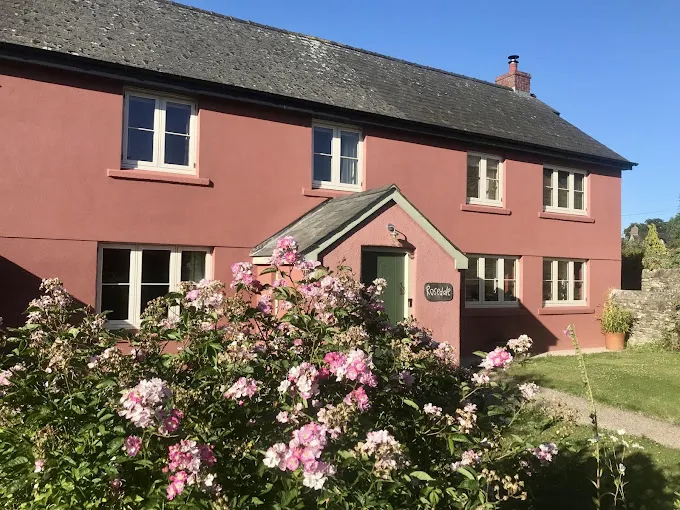
Expert Coloured Rendering South Wales Guide
Coloured rendering South Wales covers a range of external wall finishes designed to protect and beautify properties across the region – discover which system suits your property, climate, and budget.
Table of Contents
- What Is Coloured Rendering and Why It Matters in South Wales
- Types of Coloured Render Available in South Wales
- Weather, Climate, and Render Performance in South Wales
- External Wall Insulation and Energy Efficiency
- Frequently Asked Questions
- Comparing Coloured Render Systems
- Coloured Rendering South Wales: Our Services
- Practical Tips for Your Rendering Project
- The Bottom Line
- Sources & Citations
Article Snapshot
Coloured rendering South Wales is a specialist external wall finishing service that applies pigmented render systems – silicone, monocouche, or cement-based – to protect and transform properties in the region’s demanding maritime climate. The right system eliminates the need for regular repainting while delivering durable, weather-resistant results for decades.
Coloured rendering South Wales in Context
- Monocouche coloured render provides a minimum lifespan of 10 years in South Wales applications (South Wales Rendering Network, 2026)[1]
- Coloured Rendering South Wales has delivered professional rendering services for over 25 years since its establishment in 1998 (Coloured Rendering South Wales, 2026)[2]
- 50% of CIGA-guaranteed cavity wall properties in Wales have experienced cavity wall insulation failure, highlighting the importance of strong external wall protection (TheGreenAge, 2026)[3]
- External wall insulation and rendering work in South Wales is completed within 2 weeks (TheGreenAge, 2026)[3]
What Is Coloured Rendering and Why It Matters in South Wales
Coloured rendering South Wales refers to the application of pigmented external render systems that simultaneously protect a building’s structural fabric and deliver a finished, decorative appearance – removing the need for painting over bare cement or brick. Unlike traditional render that relies on periodic painting to maintain colour, modern coloured render systems are pigmented throughout their thickness or at the surface layer using advanced polymer and silicone technology, so the colour endures regardless of weathering.
Coloured Rendering South Wales has been delivering these solutions since 1998, and the company’s two-and-a-half decades of local experience make it well placed to recommend the correct render specification for any property in the region. The South Wales environment – with its high annual rainfall, coastal salt air across Swansea and Mumbles, and Atlantic-driven wind – places exterior walls under consistent stress. Properties that lack a quality external render system are exposed to water ingress, frost damage, and thermal bridging, all of which escalate maintenance costs and accelerate structural deterioration.
Coloured renders address these risks by forming a continuous, weather-resistant barrier across the wall surface. Whether applied to Victorian terraced houses in Swansea, new-build estates in Cardiff, or commercial premises in Newport, a correctly specified coloured render system adds measurable value. It improves kerb appeal, raises energy performance when combined with insulation boards, and dramatically reduces the frequency of external maintenance cycles. For property owners, landlords, and developers across South Wales, understanding the available render systems and their respective performance characteristics is the starting point for making a sound investment in their buildings.
Call Us
Geoff, Founder and Spray Rendering Specialist at Coloured Rendering South Wales, notes that “spray rendering has transformed the construction and renovation industry by offering a faster, more efficient alternative to traditional hand application methods. This modern approach to exterior wall finishing provides numerous advantages for property owners seeking high-quality, long-lasting render solutions that protect and enhance their buildings.” (Coloured Rendering South Wales, 2026)[2]
Types of Coloured Render Available in South Wales
Three primary coloured render systems dominate the South Wales market, and each carries distinct technical characteristics, performance profiles, and cost implications that property owners should understand before committing to a specification.
Thin Coat Silicone Render
Thin coat silicone render is the most specified finish for residential and commercial properties across South Wales. Silicone-based binders give the material exceptional flexibility, which is important in a climate where thermal cycling – the repeated expansion and contraction of wall substrates – causes less flexible renders to crack. The system is waterproof yet vapour-permeable, meaning it repels rain-driven moisture while allowing any residual dampness within the wall to escape outward. This breathability is particularly valuable for older solid-wall properties in Swansea and the surrounding coastal belt, where trapping moisture behind an impermeable finish causes serious long-term damage.
Silicone renders are also inherently self-cleaning. The hydrophobic surface causes rainfall to sheet off cleanly rather than allowing dirt particles to adhere, which keeps the finish looking fresh between cleans and reduces maintenance demand. They are available in a broad palette of colours – from contemporary off-whites and greys to warmer earth tones – and the colour is locked into the polymer matrix rather than painted on. As a result, fading is negligible even on south-facing elevations receiving high solar exposure. Applied using professional spray equipment, thin coat silicone render delivers a consistent texture and coverage that is difficult to replicate by hand. You can explore the full range of silicone render options available for Swansea properties at our Coloured Rendering Swansea page.
Monocouche Through Colour Render
Monocouche render – French for “single coat” – is a cement-based system that combines basecoat and finish coat in one application. The pigment runs through the full depth of the material, so even if the surface is scratched or chipped, the colour beneath remains consistent. Monocouche coloured rendering is the second most popular rendering service in South Wales (South Wales Rendering Network, 2026)[1] and is widely used on housing developments where a traditional or textured aesthetic is required. It is scraped back to reveal aggregate for a roughcast appearance, or left as a smooth ashlar finish, giving architects and developers considerable design flexibility. Its cement composition provides strong mechanical strength and good adhesion to a wide range of substrates including brick, block, and concrete.
One Coat Cement Render
One coat cement render is the most cost-effective entry point for properties requiring a weather-resistant external finish. It consolidates what would traditionally be a three-coat system into a single application, reducing labour time and overall project cost. Once cured, it is painted in any colour, giving homeowners the flexibility to change the appearance of their property over time. While it requires periodic repainting unlike silicone or through-coloured monocouche systems, its durability and straightforward application process make it a practical choice for properties where budget is the primary consideration or where a painted finish is architecturally appropriate. Home page of Coloured Rendering South Wales – expert spray rendering and external wall insulation services across South Wales.
Weather, Climate, and Render Performance in South Wales
South Wales imposes some of the most demanding external conditions on rendered wall surfaces of any region in the United Kingdom, and choosing a render system without accounting for the local climate is one of the most common and costly mistakes property owners make.
The region’s Atlantic-facing geography delivers high annual rainfall, persistent coastal winds carrying salt-laden air, and frequent cycles of freeze and thaw throughout autumn and winter. Swansea, Bridgend, and the Vale of Glamorgan are among the wettest urban areas in Wales, while coastal properties in Mumbles, the Gower Peninsula, and the Pembrokeshire border are exposed to salt spray that accelerates the degradation of standard cement renders. TheGreenAge notes that “South Wales is particularly susceptible to cavity wall insulation failure because of its characteristically wet weather. Properties throughout South Wales face unique challenges that influence render system selection and application techniques, with the region’s maritime climate demanding render systems that provide superior weather protection.” (TheGreenAge, 2026)[3]
A render system selected purely on upfront cost without regard for these environmental factors will underperform within five to seven years – cracking under frost action, allowing water ingress behind the render face, and requiring expensive repair or full removal and replacement. Silicone renders, with their flexibility and hydrophobic surface chemistry, are engineered specifically to resist these failure modes. Their ability to flex with substrate movement prevents crack formation during freeze-thaw cycles, while the waterproof surface stops rain from penetrating even when driving horizontally in South Wales storms.
Coloured Rendering South Wales: Coastal Specification Matters
For coastal properties specifically, the render specification must account for chloride-rich air that degrades standard cements over time. The Coloured Rendering South Wales team states: “We understand the unique challenges faced by properties throughout South Wales, from coastal exposure near Swansea to urban environments in Cardiff and Newport. This local knowledge guides our render system recommendations and application techniques for optimal long-term performance.” (Coloured Rendering South Wales, 2026)[4]
Substrate preparation is equally important in the South Wales climate. Any existing render that has become hollow, cracked, or contaminated must be fully removed before a new system is applied; attempting to render over failed material in a high-moisture environment guarantees accelerated failure of the new coat. Professional render contractors assess the wall’s condition, identify the cause of any existing damage, and carry out necessary substrate repair before applying the new render system – a process that protects the longevity of the investment. You can learn more about specialist repair services at Rendering Repairs South Wales – professional repairs and maintenance for external wall renders.
David Thomas, a property owner from Swansea, South Wales, observed that “Geoff’s expertise in spray rendering is unmatched in South Wales. The attention to detail and quality of finish on our property exceeded all expectations.” (About Coloured Rendering South Wales, 2026)[2]
External Wall Insulation and Energy Efficiency
External Wall Insulation (EWI) combined with a coloured render finish is the most comprehensive exterior upgrade available to South Wales property owners, delivering both thermal efficiency improvements and a transformed external appearance in a single installation.
EWI systems involve mechanically fixing high-performance insulation boards – typically expanded polystyrene (EPS) or mineral wool – to the external wall surface, followed by a reinforced basecoat and a coloured render finish. For solid-wall properties built before the 1920s, which are common throughout Swansea, Cardiff, and Newport, EWI is the primary method for improving wall U-values to meet modern building performance standards. Solid walls have no cavity to fill with conventional insulation, so adding an external layer is the most effective retrofit approach. EWI is also beneficial for more recent properties where cavity wall insulation has failed – a concern highlighted by the fact that 50% of CIGA-guaranteed cavity wall properties in Wales have experienced cavity wall insulation failure (TheGreenAge, 2026)[3], often because of the region’s high moisture penetration.
The Welsh Government has emphasised the importance of appropriate material selection for EWI projects, advising property owners to “use appropriate materials, colour and texture which respond sensitively to the site’s context when considering external wall insulation and rendering solutions for properties in Wales.” (Welsh Government, 2018)[5] This guidance reflects the need to respect local architectural character – particularly important in conservation areas and within Welsh historic towns – while still achieving meaningful energy performance improvements.
Funding has historically been available to support EWI installations in Wales. The Carbon Saving Communities Obligation made approximately £190 million available for wall insulation in Wales (Welsh Government, 2018)[5], while the Affordable Warmth Obligation provided approximately £350 million for home heating improvements (Welsh Government, 2018)[5]. Property owners considering EWI should consult with an EWI Specialists South Wales – expert external wall insulation installations for energy efficiency to understand current grant eligibility and available schemes. Typical EWI and rendering projects in South Wales are completed within two weeks (TheGreenAge, 2026)[3], minimising disruption for homeowners and occupants.
Your Most Common Questions
How long does coloured render last on a South Wales property?
The lifespan of a coloured render system in South Wales depends primarily on the type of render specified and the quality of installation. Monocouche through-colour render delivers a minimum lifespan of 10 years in South Wales applications (South Wales Rendering Network, 2026)[1], while high-performance thin coat silicone render systems, when correctly installed by a certified applicator, last 20 to 25 years or more before requiring any significant attention. Cement renders with painted finishes need repainting every five to eight years depending on the exposure level of the elevation. Properties in coastal locations – along the Gower, in Mumbles, or facing the Bristol Channel – are subject to greater environmental stress, so the render system specified must be matched to the site conditions rather than selected on price alone. Regular visual inspections, prompt repair of any hairline cracks, and keeping gutters and downpipes clear of blockages are the most effective ways to maximise the service life of any render system in the South Wales climate.
Is spray rendering better than hand-applied render in South Wales?
Spray rendering offers several practical advantages over traditional hand application for South Wales properties. The principal benefit is speed – spray application covers large wall areas two to three times faster than hand application, reducing the time the wall surface is exposed to the unpredictable Welsh weather during the installation window. This matters because render applied in wet or freezing conditions does not cure correctly, so a faster application cycle reduces the risk of weather-related quality issues. Spray application also delivers more consistent thickness across the wall face, eliminating the variation in coverage that hand application introduces, particularly on irregular or textured substrates. The result is a finish with uniform texture and colour that is difficult to achieve by hand at scale. For housing developers completing multiple units in Cardiff or Bridgend, spray rendering reduces per-property labour costs and allows tighter project scheduling. For homeowners, the reduced installation time means less disruption and scaffolding time on site.
Do I need planning permission for coloured rendering in South Wales?
In most cases, applying coloured render to an existing house in South Wales falls within permitted development rights and does not require planning permission, provided the property is not listed and does not sit within a designated area such as a conservation zone, National Park, or Area of Outstanding Natural Beauty. The Gower Peninsula, as the UK’s first designated AONB, carries specific restrictions on external alterations, and properties in Swansea city centre conservation areas require prior approval before render colour or finish is changed. The Welsh Government guidance on external wall systems advises that materials, colour, and texture should respond sensitively to the site’s context – a consideration that local planning authorities in Wales actively enforce. If your property is within any designated area, always check with your local planning authority before proceeding. A qualified rendering contractor with South Wales experience will be familiar with these requirements and can advise you during the initial consultation. EWI installations carry additional permitted development conditions related to insulation thickness.
What is the difference between silicone render and monocouche render?
Silicone render and monocouche render are both coloured external render systems, but they differ in composition, application thickness, and performance characteristics. Silicone render is a thin coat system – applied at 1.5 to 3mm – using a polymer and silicone binder that delivers exceptional flexibility and hydrophobic surface properties. It is the preferred choice for South Wales coastal properties because of its crack resistance in freeze-thaw conditions and its self-cleaning surface that sheds rainwater and airborne dirt. Monocouche render is a cement-based system applied at 15 to 20mm in a single coat, with the colour running through the full depth of the material. It offers greater mechanical strength and is suited to properties requiring a traditional textured or scraped finish. Monocouche provides solid weather resistance and eliminates the need for painting, though it is less flexible than silicone and develops hairline cracks over time in highly exposed locations. For most modern South Wales renovation and new-build projects, silicone render is the premium specification; monocouche remains a strong, cost-effective option where a heavier textured appearance is desired or where the render system needs greater impact resistance at ground-floor level.
Comparing Coloured Render Systems for South Wales Properties
Selecting the right render system for a South Wales property involves balancing performance, aesthetics, and long-term cost. The following comparison covers the three principal options available from qualified contractors in the region, helping you assess which approach best fits your property type, location, and budget.
| Render System | Typical Lifespan | Maintenance Requirement | Flexibility | Best For | Cost Level |
|---|---|---|---|---|---|
| Thin Coat Silicone Render | 20-25+ years | Very low – self-cleaning surface | High – crack resistant | Coastal and exposed properties, modern renovation, low-maintenance finish | Premium |
| Monocouche Through Colour Render | 10+ years (South Wales Rendering Network, 2026)[1] | Low – no painting required | Moderate | Housing developments, traditional textured finishes, new builds | Mid-range |
| One Coat Cement Render | Variable – depends on paint maintenance | Moderate – requires periodic repainting | Low – prone to cracking in freeze-thaw | Budget-conscious projects, painted finish preferred, less exposed locations | Entry level |
Coloured Rendering South Wales: Our Services
Coloured Rendering South Wales has been serving property owners, developers, and landlords across South Wales since 1998 – over 25 years of specialist plastering and spray rendering experience (Coloured Rendering South Wales, 2026)[2]. Our team applies a comprehensive range of coloured rendering and external wall systems, from thin coat silicone render and monocouche through-colour render to one coat cement render and full external wall insulation installations.
We hold Baumit Approved EWI Applicator status with City & Guilds Assured accreditation, enabling us to install Baumit StarTop premium silicone render and complete EWI systems with manufacturer-backed warranties of up to 25 years. Our spray rendering technology allows us to complete projects faster than traditional hand application – a significant advantage in the South Wales climate where installation windows need to be maximised. We operate across Swansea, Cardiff, Newport, Bridgend, and the wider South Wales region, with specialist knowledge of coastal specification requirements for properties on the Gower, in Mumbles, and along the Bristol Channel coastline.
“We’re 100% happy and wouldn’t hesitate to recommend Jeff. His workmanship is excellent and we’re also very happy with the product he recommended to eradicate the penetrating damp and give our house a great new look and lease of life.” – Alistair Legge, Google Review
“With over 15 years in the building trade I have experienced several different plasterers all offering different styles and finishes. Geoff’s thin coat spray finish render would rival the best and I can’t recommend his team enough to someone thinking of using him. His professionalism and work ethic has stood out from many of the others we have worked with.” – Keri Hopkins, Google Review
Our services include rendering repairs for properties with cracked or hollow render, internal plastering, and free property assessments to guide your specification choice. We maintain a perfect 5.0 Google rating across all client reviews – a reflection of consistent workmanship and straightforward communication on every project.
To view completed projects and assess our quality of finish, visit our Gallery – View examples of our high-quality spray rendering and repair work. To discuss your project and arrange a free consultation, contact Coloured Rendering South Wales for a free quote or consultation on your rendering project. You can also reach us directly on 07815 868070 or at geoff@colouredrenderingsouthwales.com.
Practical Tips for Your Rendering Project
A successful coloured rendering project in South Wales depends on decisions made well before the first coat is applied. The following guidance reflects current best practice for property owners, developers, and landlords commissioning render work in the region.
Choose your render system based on site exposure, not budget alone. Properties within 500 metres of the coast – particularly on the Gower Peninsula, in Mumbles, or in exposed rural areas of Carmarthenshire – should specify a silicone-based render as a minimum. Standard cement renders degrade faster in salt-laden coastal air, leading to premature cracking and water ingress.
Commission a substrate assessment before any render is applied. Applying new render over hollow, damp, or contaminated substrate is the single most common cause of early render failure in South Wales. A professional assessment identifies existing problems and allows them to be rectified before the new system goes on.
Time your project around South Wales weather patterns. Render should not be applied in temperatures below 5°C or in direct, intense sunlight, and South Wales weather changes rapidly. Work with a contractor who understands local climate patterns and adapts the schedule accordingly. Spring and early autumn offer the most reliable installation conditions.
Consider colour carefully for the local context. Welsh planning policy and the Welsh Government’s guidance on external wall systems both advise that render colour and texture should respond to the architectural character of the surrounding area. In conservation zones or National Park boundaries, colour choices require prior approval from the local planning authority.
Ask for a manufacturer-backed warranty. For silicone render and EWI systems, reputable manufacturers offer product warranties of 10 to 25 years when the system is installed by a certified applicator. This provides documented protection for your investment and should be requested as a standard part of any render contract.
Factor in the long-term maintenance saving. Through-coloured and silicone renders eliminate external painting cycles, which cost £1,500 to £4,000 per property every five to eight years. Over a 20-year period, a higher-specification coloured render costs less in total than repeated painting of a cement render, even accounting for the higher upfront installation cost.
The Bottom Line
Coloured rendering South Wales is not a simple commodity purchase – it is a specification decision that shapes how well your property performs against the region’s demanding maritime climate for the next decade or more. Silicone render systems offer the highest performance for coastal and exposed properties, monocouche delivers a durable through-coloured finish for developments and traditional-style projects, and one coat cement render provides a practical, budget-conscious baseline that accepts painted finishes. For solid-wall properties, combining EWI with a coloured render finish achieves both thermal efficiency and transformed external appearance in a single installation.
Working with an experienced, locally based contractor who understands South Wales substrates, coastal exposure conditions, and Welsh planning requirements is the most reliable way to protect your investment. To take the next step, call Coloured Rendering South Wales on 07815 868070, email geoff@colouredrenderingsouthwales.com, or visit our About us – Learn more about our experienced team and rendering expertise page to find out more about our credentials and project portfolio. We offer free property assessments with no obligation.
Sources & Citations
- Monocouche Coloured Render South Wales. South Wales Rendering Network.
https://www.southwales-rendering.co.uk/monocouche-coloured-render-south-wales/ - About Coloured Rendering South Wales. Coloured Rendering South Wales.
https://www.colouredrenderingsouthwales.com/about/ - External Wall Insulation in South Wales. TheGreenAge.
https://www.thegreenage.co.uk/external-wall-insulation-in-south-wales/ - Expert Spray Render Near Me Services. Coloured Rendering South Wales.
https://www.colouredrenderingsouthwales.com/spray-render-near-me/ - External Solid Wall Insulation. Welsh Government.
https://www.gov.wales/sites/default/files/publications/2018-09/external-solid-wall-insultation.pdf