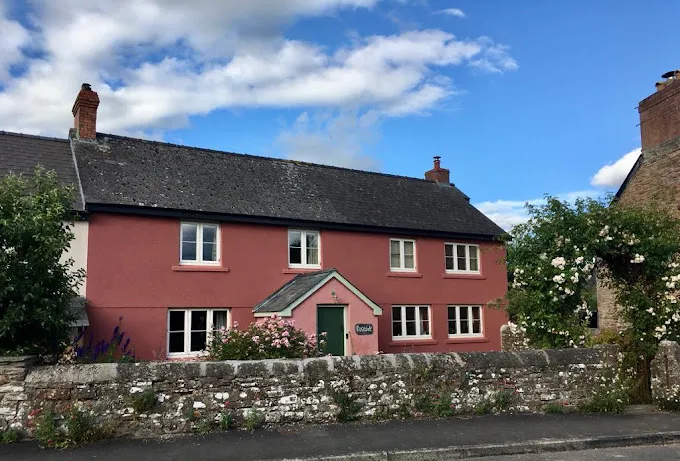
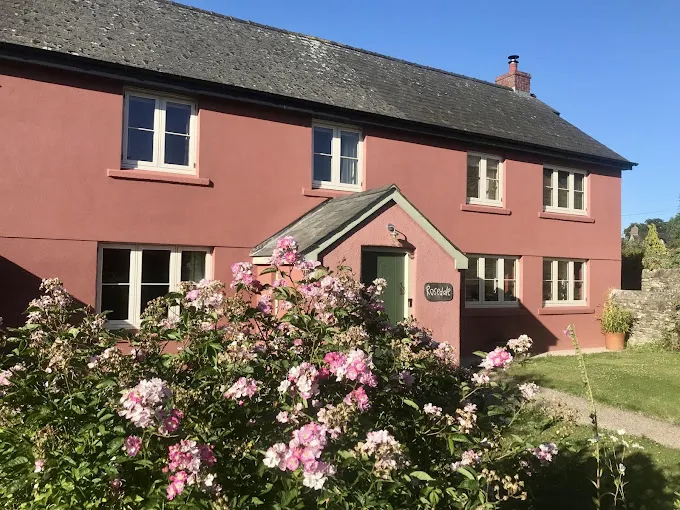
Expert External Rendering Baycliff: A Complete Guide
External rendering Baycliff properties demand specialist knowledge of coastal conditions, appropriate render systems, and professional application – this guide covers everything you need to know before starting your project.
Table of Contents
- What Is External Rendering?
- Render Types Suited to Baycliff Properties
- Benefits of Spray Rendering Application
- Weather Protection and Coastal Durability
- Frequently Asked Questions
- Comparing External Render Systems
- Coloured Rendering South Wales
- Practical Tips for Your Rendering Project
- The Bottom Line
- Sources & Citations
Key Takeaway
External rendering Baycliff is a specialist process that applies a protective and decorative coating to external walls, shielding properties from wind-driven rain, salt air, and moisture ingress. Choosing the correct render system – silicone, monocouche, or cement-based – determines how long the finish lasts and how much maintenance it requires.
What Is External Rendering?
External rendering is the application of a protective mortar or polymer-based coating to the outside of a building’s walls, providing both weatherproofing and a finished aesthetic surface. For Baycliff properties and those along the South Wales coast, external rendering serves a critical structural protection role – coastal climates expose walls to persistent moisture, salt-laden air, and freeze-thaw cycles that accelerate deterioration in untreated masonry. Coloured Rendering South Wales has been specifying and applying render systems suited to these demanding conditions since 1998, bringing over 25 years of local expertise to every project.
The process begins with thorough substrate preparation. Existing loose or contaminated material must be removed, cracks filled, and surfaces primed before any render coat is applied. This preparation stage is the single most important factor in render longevity – a well-applied render over a poorly prepared substrate will fail prematurely regardless of the product’s quality. For properties in coastal and semi-coastal locations near Baycliff, substrate assessment must also account for any existing salt contamination in the masonry, which causes efflorescence and adhesion failure if left untreated.
Modern external rendering systems range from traditional sand-and-cement mixes through to advanced polymer-modified silicone formulations. Each has distinct performance characteristics relevant to the property type, its exposure category, and the owner’s maintenance preferences. Understanding these differences before specifying a system saves money over the long term and avoids the cost of premature render failure. A professionally rendered exterior wall also contributes to improved thermal performance, particularly when combined with an EWI Specialists South Wales – expert external wall insulation installations for energy efficiency system that adds insulation boards beneath the render finish.
Call Us
Render Types Suited to Baycliff Properties
Selecting the right render system for a Baycliff or coastal South Wales property requires matching the product’s performance specification to the building’s exposure level, wall construction, and aesthetic requirements. Three primary systems are used in residential and commercial rendering across the region, each offering distinct advantages.
Thin Coat Silicone Render
Thin coat silicone render is the highest-performing modern render system for coastal and exposed locations. Its silicone-based formulation provides superior flexibility, resisting the micro-cracking that affects rigid cement renders when walls experience thermal movement. The material is inherently waterproof whilst remaining vapour-permeable – moisture within the wall structure can still escape outward, preventing the trapped damp that leads to spalling and render delamination. Silicone render is pre-coloured and available in a wide palette of shades that retain their appearance over time without repainting. For properties in Baycliff and similar coastal settings, the self-cleaning properties of silicone render are particularly valuable: rain washes biological growth and airborne deposits from the surface, maintaining the finish with minimal owner intervention.
Baumit StarTop is a premium silicone render installed by certified applicators who hold City & Guilds Assured and Baumit Approved EWI Applicator status. This accreditation means the render is installed to manufacturer specification, unlocking product warranties of up to 25 years – a significant assurance for property owners investing in a long-term protective finish.
Monocouche Through Colour Render
Monocouche render – from the French for “single layer” – combines the base and finish coats into one application. The cement-based material is pre-coloured throughout its full depth, meaning that minor surface abrasions do not reveal a contrasting undercoat. This characteristic makes monocouche an attractive choice for new builds and renovation projects where a traditional textured finish is desired without the ongoing cost of exterior repainting. The material meets British Standards for external rendering systems and incorporates water-repelling additives and reinforcing fibres for enhanced durability in the wet, wind-driven conditions of South Wales. For a Coloured Rendering Swansea – durable and attractive rendering solutions for residential and commercial properties project, monocouche delivers an authentic, substantial appearance that suits period and traditional architecture particularly well.
One Coat Cement Render
One coat cement render modernises the traditional multi-coat sand-and-cement approach by consolidating the process into a single layer applied using spray equipment. It is a cost-effective solution where a painted finish is acceptable or preferred, offering the proven durability of cement-based renders with the efficiency advantages of contemporary spray application. Once cured, the surface accepts any exterior masonry paint, giving owners flexibility to change the colour of the property in future. This system suits renovation projects on a tighter budget, or properties where the existing render substrate is sound enough to be overcoated rather than removed entirely.
Benefits of Spray Rendering Application
Spray rendering application delivers consistent, high-quality results significantly faster than traditional hand application methods, making it the preferred technique for professional rendering contractors across South Wales. The process uses specialist pump equipment to apply render at controlled pressure and thickness, producing an even coating across large wall areas without the variation that hand-applied systems exhibit between different plasterers or working sessions.
Speed is the most immediately apparent advantage. A property that would require four to five days of hand application is completed in two days using spray techniques. For property developers working across multi-unit sites in Cardiff, Newport, or Bridgend, this compression of the programme delivers real commercial value – trades follow on sooner, and units reach practical completion faster. For homeowners, it means less disruption, shorter periods of scaffolding, and a quicker return to normal use of the property’s exterior.
Consistency is equally important. Spray application ensures uniform render thickness across the entire wall surface, including recessed joints, reveals, and areas around windows and doors where hand application thins out or builds up unevenly. Uniform thickness is directly linked to uniform performance – thin patches in a render coat are the first areas to crack or allow moisture penetration. Professional spray application eliminates this variable, producing a render coat that performs to specification across its entire area.
The technique also reduces material waste compared to hand application. Spray equipment is calibrated to deliver the correct material volume per square metre, and skilled operators minimise overspray through appropriate masking and technique. This efficiency benefits the client through reduced material costs on larger projects and contributes to a cleaner working site. You can view completed spray rendering projects on our Gallery – View examples of our high-quality spray rendering and repair work to see the quality of finish achievable with professional equipment and experienced operators.
Weather Protection and Coastal Durability
External rendering on Baycliff and coastal South Wales properties must withstand a specific combination of environmental stresses that differ significantly from inland locations, and specifying render systems without accounting for these conditions leads to premature failure.
Understanding South Wales Coastal Exposure
South Wales receives among the highest annual rainfall totals in England and Wales, with prevailing south-westerly winds driving moisture into west and south-facing elevations with considerable force. Properties in Baycliff, Mumbles, the Gower Peninsula, and along the wider Swansea Bay coastline face additional exposure to salt-laden air that accelerates corrosion of embedded metal ties and fixings, and promotes biological growth on render surfaces. Salt crystallisation within masonry pores is a significant cause of spalling and render detachment in coastal locations – the correct render specification must incorporate adequate vapour permeability to allow these salts to migrate outward without causing internal pressure damage.
Freeze-thaw cycling presents a further challenge during winter months. Water absorbed into render micro-cracks expands on freezing, progressively widening fractures until the render coat delaminates. Silicone and polymer-modified renders resist this mechanism more effectively than traditional rigid cement formulations because their inherent flexibility accommodates the volumetric changes associated with thermal and moisture cycling. For exposed Baycliff properties, selecting a render system with a proven track record in comparable coastal exposure zones is the baseline specification for a finish that will last its intended service life.
Render colour choice also influences performance in coastal settings. Darker colours absorb more solar radiation, increasing surface temperatures and the degree of thermal movement the render must accommodate. In very exposed locations, mid-toned through-colours provide the best balance between aesthetic preference and long-term performance. The Rendering Repairs South Wales – professional repairs and maintenance for external wall renders service addresses cases where existing render has already suffered coastal weather damage, offering targeted repair solutions before deterioration becomes more extensive and costly.
Proper detailing at junctions – around windows, doors, soffits, and at the base of walls – is as important as the render system itself. Water ingress at poorly sealed junctions bypasses even the most technically advanced render coat. Professional installation includes appropriate movement beads, drip profiles, and sealant detailing that directs water away from the wall substrate and prevents capillary draw at vulnerable transitions. This attention to detail is what separates a render installation that lasts 20 or more years from one that begins showing failure within five.
Your Most Common Questions
How long does external rendering last on a coastal property like Baycliff?
The service life of external rendering on a coastal property depends primarily on the system specified, the quality of preparation, and the standard of application. Traditional sand-and-cement renders in exposed coastal locations last 15 to 20 years before requiring significant repair or replacement, assuming good initial preparation. Modern silicone render systems, when installed by a certified applicator to manufacturer specification, carry warranties of up to 25 years and regularly achieve service lives beyond this in real-world use. Monocouche through-colour renders are similarly durable, with the added advantage that their through-colouring means minor surface wear does not compromise the finish aesthetically. The most critical factor in render longevity is not the product itself but the quality of substrate preparation and the accuracy of detailing at junctions, reveals, and penetrations. A premium render system applied over inadequate preparation will fail well before its theoretical service life. Engaging an experienced, accredited contractor who assesses the substrate properly before specifying materials is the most reliable way to maximise the return on your investment in external rendering.
What is the difference between silicone render and monocouche for a Baycliff home?
Silicone render and monocouche are both excellent choices for coastal properties, but they suit different aesthetic preferences and structural situations. Silicone render is a thin coat system – typically 1.5 to 3mm thick – applied over a separate basecoat. Its polymer chemistry gives it outstanding flexibility, waterproofing, and self-cleaning properties, making it the highest-performing system for very exposed coastal elevations. It is the preferred choice where maximum weather resistance and minimal maintenance are the primary objectives. Monocouche render is a thicker, cement-based system applied in a single coat of approximately 15 to 20mm. It produces a more traditional, textured appearance that suits period architecture and rural settings. Its through-colouring means it never needs repainting, and it offers very good durability in exposed conditions. The practical choice between the two often comes down to the property’s architecture and the owner’s aesthetic preference – both systems provide excellent protection for Baycliff and coastal South Wales properties when correctly specified and installed. A professional site assessment is the best way to determine which system suits your specific property.
Can external rendering improve a property’s energy efficiency?
External rendering alone provides a modest improvement in thermal performance by sealing air infiltration paths in the wall surface. However, the most significant energy efficiency gains come from combining rendering with an External Wall Insulation system, which adds a layer of high-performance insulation boards between the wall substrate and the render finish. EWI systems are particularly effective for older properties with solid walls – a common construction type across South Wales – where cavity wall insulation is not an option. By adding 60 to 100mm of insulation to the external face of the wall, EWI dramatically reduces heat loss and lowers heating bills. Properties treated with EWI and a silicone render finish achieve measurable improvements in their Energy Performance Certificate rating, which is relevant for landlords managing compliance with minimum EPC requirements. The render finish applied over EWI performs identically to a render on an uninsulated wall – the insulation boards simply become the substrate to which the render system is bonded. This makes EWI an attractive dual-purpose investment: improved comfort and reduced energy costs alongside a fresh, long-lasting external appearance.
How much disruption does a spray rendering project cause?
Spray rendering is significantly faster than hand application, which directly reduces the duration of site activity and associated disruption. A standard semi-detached or terraced house is rendered in one to two days using spray equipment, compared to three to five days using traditional hand methods. Scaffolding is still required for most full-house rendering projects, and this will be in place for slightly longer to allow for preparation, application, and any finishing work – the full scaffolding period for a standard residential project is five to ten working days including preparation and curing checks. During rendering itself, access to the areas immediately adjacent to the working face is restricted, and some noise from spray equipment is unavoidable. Experienced contractors minimise disruption by working methodically around the property, protecting windows, doors, landscaping, and neighbouring surfaces with masking materials before application begins. For commercial projects where business continuity is a concern, weekend working or phased programmes are available. Clear communication from your contractor about the programme and any access restrictions is the most effective way to manage disruption expectations before work begins.
Comparing External Render Systems
Choosing between render systems for a Baycliff or coastal South Wales property involves weighing cost, performance, aesthetics, and maintenance requirements against each other. The table below summarises the key characteristics of the three main systems used in the region to help property owners and developers make an informed decision.
| Render System | Typical Thickness | Weather Resistance | Maintenance Requirement | Colour Permanence | Relative Cost |
|---|---|---|---|---|---|
| Thin Coat Silicone Render | 1.5-3mm over basecoat | Excellent – flexible, waterproof, breathable | Very low – self-cleaning properties | High – pre-coloured, no repainting | Premium |
| Monocouche Through Colour Render | 15-20mm single coat | Very good – weather-resistant cement base | Low – no painting required | High – through-coloured throughout | Mid-range |
| One Coat Cement Render | 12-15mm single coat | Good – proven cement durability | Moderate – periodic repainting needed | Flexible – paint any colour after curing | Cost-effective |
Coloured Rendering South Wales: Local Rendering Specialists
Coloured Rendering South Wales has been delivering professional external rendering across Swansea, Cardiff, Newport, Bridgend, and the wider South Wales region since 1998. With over 25 years of experience, the company specialises in spray rendering application – a technique that delivers faster, more consistent results than traditional hand methods – alongside a comprehensive range of render systems suited to the coastal and variable climate conditions of South Wales.
The company holds Baumit Approved EWI Applicator status with City & Guilds Assured accreditation, certifying the installation of Baumit StarTop premium silicone render and full External Wall Insulation systems with manufacturer-backed warranties of up to 25 years. This accreditation means clients receive not just professional workmanship but documented, manufacturer-guaranteed protection for their investment. Services span the full spectrum of external rendering requirements – from thin coat silicone and monocouche through-colour renders to one coat cement systems, rendering repairs, and complete EWI installations.
“With over 15 years in the building trade I have experienced several different plasterers all offering different styles and finishes. Geoff’s thin coat spray finish render would rival the best and I can’t recommend his team enough to someone thinking of using him. His professionalism and work ethic has stood out from many of the others we have worked with.” – Keri Hopkins, Google Review
“We’re 100% happy and wouldn’t hesitate to recommend Jeff. His workmanship is excellent and we’re also very happy with the product he recommended to eradicate the penetrating damp and give our house a great new look and lease of life.” – Alistair Legge, Google Review
Coloured Rendering South Wales maintains a perfect 5.0 Google rating across multiple independent reviews – an independently verified measure of consistent quality and customer satisfaction. Every project begins with a free consultation to assess the property, identify any substrate issues, and recommend the most appropriate render system for the building’s construction, location, and the client’s objectives.
To discuss your external rendering project or request a free quote, visit the Home page of Coloured Rendering South Wales – expert spray rendering and external wall insulation services across South Wales, or Contact Coloured Rendering South Wales for a free quote or consultation on your rendering project. You can also reach the team directly on 07815 868070 or by email at geoff@colouredrenderingsouthwales.com.
Practical Tips for Your External Rendering Project
Planning an external rendering project carefully before work begins avoids the most common causes of cost overruns, programme delays, and substandard results. These practical considerations apply whether you are rendering a single coastal cottage near Baycliff or a multi-property development across South Wales.
Assess the existing substrate thoroughly before specifying a render system. Have your contractor check for hollow patches, cracks, salt contamination, and any areas of biological growth. These issues must be addressed before rendering begins – not discovered during application. A proper substrate assessment determines whether the existing render can be overcoated or must be removed entirely, which significantly affects both the programme duration and the overall cost.
Match the render specification to the exposure category of your property. A property directly facing the sea on the Gower or in a coastal village faces significantly higher wind-driven rain loads than an inland property in Bridgend or Cardiff. The UK Building Regulations – Approved Documents provide guidance on exposure zone classification, and your render contractor should be specifying systems appropriate to your property’s specific exposure level rather than applying a generic product to every job.
Consider colour choice carefully for coastal properties. Mid-toned colours perform well in exposed locations, balancing solar absorption characteristics with the aesthetic preferences that add kerb appeal. Very dark colours increase surface temperatures and thermal movement stresses on the render coat in full sun exposure.
Ask for written documentation of the render system being installed. This should include the product name, manufacturer, and specification. If your render is installed as part of a certified EWI system, ensure you receive the relevant warranty documentation from the manufacturer. This paperwork is valuable both for your own records and when you come to sell the property.
Plan the programme around weather windows. Fresh render coats should not be applied in temperatures below 5°C or above 30°C, and must be protected from rain during the initial curing period. Experienced contractors plan their programmes with these constraints in mind, but it is worth discussing your preferred completion timeline early to ensure it is achievable given seasonal conditions.
Visiting the Choose The Perfect Facade, Renders & Paints resource from Baumit provides additional guidance on render system selection, colour choices, and performance characteristics to help you have an informed conversation with your contractor.
The Bottom Line
External rendering Baycliff and coastal South Wales properties is a specialist task that demands correct system specification, thorough substrate preparation, and skilled application. The choice between silicone render, monocouche, and cement-based systems should be driven by your property’s exposure level, construction type, aesthetic preferences, and long-term maintenance objectives – not by cost alone. A premium render system installed correctly will outlast a budget system by a decade or more, delivering significantly better value over its service life.
For properties in Baycliff and throughout South Wales, the combination of persistent rainfall, salt air, and coastal wind loading makes it particularly important to engage a contractor with genuine local knowledge and a proven track record in comparable environments. Coloured Rendering South Wales has provided expert spray rendering and external wall insulation services across the region since 1998. Call 07815 868070 or email geoff@colouredrenderingsouthwales.com today to arrange a free property assessment and quotation.
Sources & Citations
- UK Building Regulations – Approved Documents. UK Government.
https://www.gov.uk/guidance/approved-documents - Choose The Perfect Facade, Renders & Paints. Baumit.
https://baumit.co.uk/guides/facade-renders-and-paints