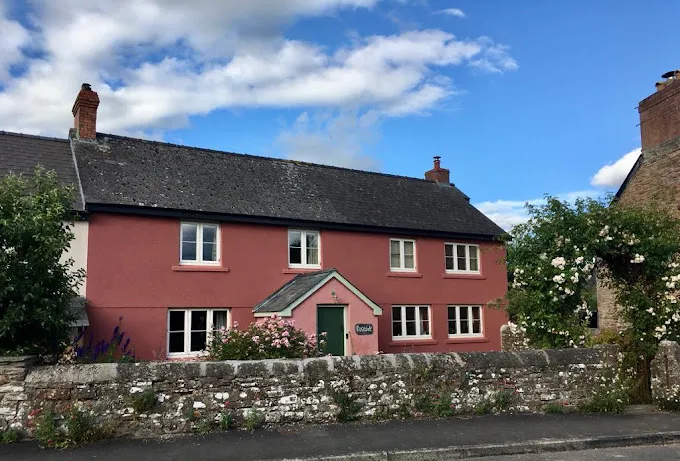
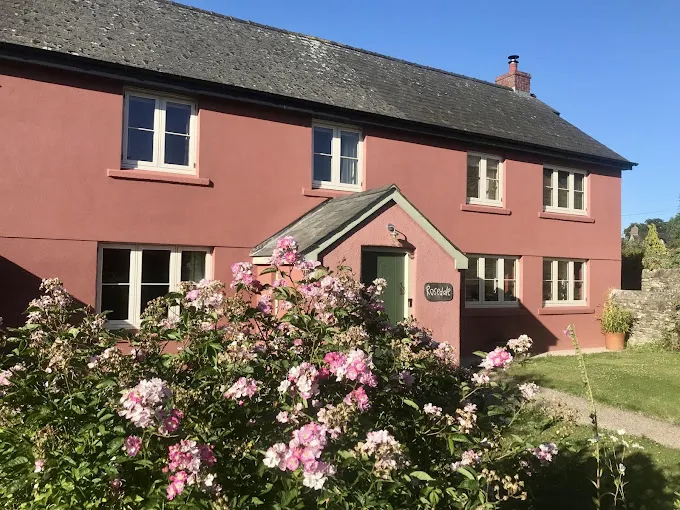
Best House Rendering Near Me: Expert Guide
Searching for the best house rendering near me? This guide covers render types, application methods, costs, and how to choose a trusted local specialist for your property.
Table of Contents
- What Is House Rendering?
- Types of Render: Which Is Right for You?
- Choosing the Best House Rendering Near Me
- Render Longevity, Maintenance and Repairs
- Frequently Asked Questions
- Render Systems Compared
- Coloured Rendering South Wales
- Practical Tips for Your Rendering Project
- The Bottom Line
- Sources & Citations
Article Snapshot
Best house rendering near me is the search that connects property owners with qualified local renderers who apply protective, decorative coatings to external walls. The right system – silicone, monocouche, or cement – depends on substrate, climate, and budget. Spray application delivers faster, more consistent results than hand finishing.
What Is House Rendering?
House rendering is the process of applying a protective and decorative coating to the external walls of a building, shielding the underlying masonry from rain, wind, and moisture while improving kerb appeal. For property owners across South Wales and beyond, finding the best house rendering near me means identifying a contractor who understands local weather patterns, substrate conditions, and the render systems suited to each situation. Coloured Rendering South Wales has been providing exactly that expertise since 1998, combining over 25 years of regional experience with modern spray application technology.
External wall rendering serves two distinct purposes. First, it acts as a weather barrier, preventing wind-driven rain from penetrating masonry and causing structural damp. Second, it transforms the visual character of a property, whether that means a smooth contemporary finish on a new build or a textured monocouche coat on a traditional stone cottage. In South Wales – where coastal salt air, high annual rainfall, and wind-driven moisture are everyday realities – a correctly specified render system is not a cosmetic luxury but a functional necessity.
Spray rendering has transformed how external wall coatings are applied. Unlike traditional hand application, which relies on a plasterer building up layers manually with a hawk and trowel, spray equipment atomises the render mix and projects it onto the wall at a controlled rate, achieving consistent thickness and surface texture in a fraction of the time. This approach reduces labour costs, shortens project duration, and minimises disruption to occupants – a significant advantage when you are living in the property being rendered.
Call Us
The residential rendering market in the UK covers a broad spectrum of products, from traditional sand and cement mixes through to polymer-modified monocouche systems and advanced silicone-based thin coat renders. Understanding the differences between these systems is the first step toward making an informed decision about which product is appropriate for your home, your location, and your long-term maintenance expectations.
Types of Render: Which Is Right for You?
Selecting the correct render system is the single most important decision in any external wall project, and it determines everything from application method and drying time through to long-term performance and maintenance requirements. Each render category has distinct technical characteristics that make it suitable for specific substrates, climates, and aesthetic goals.
Thin Coat Silicone Render
Thin coat silicone render is a polymer-modified finish coat applied in layers 1.5 mm to 3 mm thick over a reinforced base coat. The silicone content gives the material two important properties: hydrophobicity and vapour permeability. Water beads off the surface rather than soaking in, while moisture already within the wall escapes as vapour. This breathable, waterproof combination is especially valuable for older properties with solid walls, where trapped moisture is a common cause of internal damp. The Baumit guide to facade renders and paints provides detailed technical comparisons of silicone and acrylic systems for UK conditions.
Silicone renders are pre-coloured in the factory, so the pigment is integral to the material rather than applied as a surface paint. This means the colour does not fade or peel, and the render requires no repainting for the life of the system – often 20 to 25 years or more. Self-cleaning properties further reduce maintenance, as the hydrophobic surface repels airborne particulates and biological growth such as algae and moss. For coastal properties in areas like Mumbles or the Gower Peninsula, where salt-laden air accelerates the degradation of painted surfaces, silicone render offers a measurable performance advantage over cement-and-paint systems.
Monocouche Through Colour Render
Monocouche render – from the French for “single coat” – is a cement-based system in which colour pigment is distributed throughout the full thickness of the material. Because the colour runs all the way through, minor surface chips or scratches do not expose a different-coloured substrate beneath. This through-colour design eliminates the need for painting and means the render remains presentable even as it weathers naturally over time.
Monocouche systems are available in a range of textures, from fine scraped finishes to rougher tyrolean effects, and are applied by hand or spray depending on project scale and substrate condition. They are compatible with brick, blockwork, and concrete substrates, making them a versatile choice for both new build housing developments and renovation projects on existing stock. In Cardiff and Newport, where large-scale residential developments regularly specify through-coloured renders for their low maintenance credentials, monocouche has become a default external finish on many new housing schemes.
One Coat Cement Render
One coat cement render modernises the traditional sand and cement plastering approach by combining base and finish layers into a single product application. The result is a smooth or lightly textured surface that, once fully cured, is ready to accept external masonry paint. This system offers the greatest flexibility in terms of final colour, since the painted finish is changed at any future redecoration. It is also the most cost-effective rendering option on a per-square-metre basis, making it a practical choice for budget-conscious projects where ongoing maintenance costs are less of a concern.
Spray application of one coat cement render produces a more consistent thickness across irregular wall surfaces than hand application, reducing the risk of thin spots that lead to cracking as the substrate moves seasonally. Correct preparation – including the application of appropriate primers and bonding agents – is important to achieving the adhesion and flexibility needed for long-term performance.
Choosing the Best House Rendering Near Me
Identifying the best house rendering contractor near you requires assessing several factors beyond the quoted price, including accreditation, local experience, application method, and the specific render systems each contractor is qualified to install. A poorly specified or badly applied render system fails within a few years, leading to cracking, water ingress, and costly remedial work that outweighs any initial saving on the original contract price.
Accreditation and Certification
Manufacturer accreditation schemes provide an independently verified quality benchmark that is difficult to replicate through self-reported claims. Baumit, one of the leading European render manufacturers operating in the UK market, runs an Approved EWI Applicator programme that requires contractors to show technical competence and attend product-specific training. Contractors holding this accreditation install systems with manufacturer-backed warranties of 10 to 25 years – a level of long-term protection that uncertified installation cannot provide. When requesting quotes, ask each contractor which manufacturer approval schemes they hold and whether those approvals are current.
City and Guilds qualifications in plastering and rendering provide a further layer of assurance that operatives have been trained to a recognised national standard. While experience alone is valuable, formal qualifications confirm that skills have been assessed against an established benchmark – particularly important when you are commissioning work on a significant financial asset such as your home.
Local Knowledge and Regional Experience
South Wales presents specific challenges that contractors without regional experience underestimate. The combination of high annual rainfall, prevailing south-westerly winds, and coastal salt exposure along stretches of coastline from the Gower to the Vale of Glamorgan means render systems need to be specified for durability in genuinely hostile conditions rather than average mainland UK weather. A contractor who has worked extensively in the region understands which systems perform reliably in exposed coastal locations and which substrates require specialist preparation – knowledge that only comes from years of project experience in similar environments. You can find us on Google Maps to verify our local presence and read verified client reviews.
Spray vs Hand Application
Ask prospective contractors whether they use spray or hand application, and what equipment they operate. Spray rendering, when carried out by an experienced operative with calibrated equipment, applies render at a consistent rate and thickness across the entire wall surface – eliminating the variability inherent in manual trowel work. The speed advantage is also material: spray application completes a wall area two to three times faster than hand application, reducing scaffold hire duration and the number of days your property is subject to active site activity.
Render Longevity, Maintenance and Repairs
The service life of an external render system is determined primarily by the quality of the product used, the standard of application, the preparation of the substrate, and the severity of the environmental conditions the render faces throughout its working life. Understanding these factors helps property owners plan for both the initial investment and the long-term cost of maintaining their render in good condition.
Expected Service Life by System
Modern silicone thin coat render systems, when installed over a correctly prepared reinforced base coat, are designed to remain in service for 20 to 25 years or more under normal UK conditions. The absence of a painted finish eliminates the most common failure mode of traditional cement renders – the gradual degradation of paint films through UV exposure, moisture cycling, and biological growth. Monocouche systems offer comparable longevity, with the through-colour design ensuring the render continues to present a consistent appearance even as surface texture weathers gradually over the years.
Traditional cement renders with painted finishes require redecoration every five to eight years under typical South Wales conditions, and require patch repairs more frequently on exposed elevations. Over a 25-year period, the cumulative cost of repainting and patch repairs on a painted cement render exceeds the initial price difference between a basic cement system and a premium silicone system – making the higher upfront cost of silicone render a financially rational choice for many property owners.
Common Render Defects and Their Causes
Render failure presents in one of three ways: cracking, hollow patches, or loss of adhesion. Cracking is most commonly caused by substrate movement – seasonal expansion and contraction of the underlying masonry – that exceeds the flexibility of the render mix. Hollow patches occur when render loses contact with the substrate, usually because of inadequate preparation, incorrect mixing, or application in unsuitable weather conditions. Loss of adhesion on painted cement renders is often the result of moisture trapped behind the paint film, which breaks the bond between paint and render as it freezes and expands in cold weather.
Early identification of render defects prevents minor issues from developing into major failures. A tap test – striking the render surface with a wooden mallet and listening for a hollow ring – identifies delaminated sections before water penetrates and accelerates the deterioration. Professional rendering repairs across South Wales address localised defects through compatible patch materials, extending the life of the existing system without the cost and disruption of complete removal and replacement.
Maintenance Regimes for Different Systems
Silicone and acrylic thin coat renders with integral colour require minimal routine maintenance. An annual inspection to check for physical damage, and occasional low-pressure washing to remove surface soiling in sheltered areas where self-cleaning is less effective, is sufficient to keep the system performing correctly. Monocouche renders benefit from similar inspection routines, with particular attention to junctions around window and door frames where sealant requires periodic renewal. Painted cement renders require the most active maintenance programme – routine cleaning, moss and algae treatment, and repainting on a regular cycle to prevent moisture penetration through deteriorated paint films.
Your Most Common Questions
How much does house rendering cost per square metre in South Wales?
Rendering costs in South Wales vary depending on the system specified, the size and condition of the property, and whether scaffolding is required. As a general guide, one coat cement render is the most affordable option on a per-square-metre basis, followed by monocouche through colour render, with thin coat silicone render systems at the higher end of the price range due to the cost of the materials and the base coat preparation required. External wall insulation systems carry the highest upfront cost but deliver energy savings that partially offset the investment over time. The most reliable way to establish an accurate cost for your specific property is to request a free on-site assessment, where a qualified renderer evaluates substrate condition, measures wall areas, and recommends the most appropriate system for your budget and requirements. Bear in mind that the cheapest quote does not always represent the best value – the cost of remedial work on a failed render installation can significantly exceed the saving made on the original contract.
What is the best type of render for a coastal property in Wales?
For coastal properties in Wales – particularly those within a few hundred metres of the shoreline, such as properties in Mumbles, the Gower Peninsula, Barry Island, or Penarth – thin coat silicone render is the most appropriate specification. The silicone polymer gives the render strong hydrophobicity, meaning water beads off the surface rather than being absorbed into the wall. This prevents the saturation-freeze-expansion cycle that causes cracking in less flexible systems. The breathable nature of silicone render also allows any moisture that does enter the wall structure – through internal condensation or imperfect detailing around windows and doors – to escape as vapour, rather than becoming trapped and causing damp. The integral colour of silicone render avoids the accelerated paint film degradation that salt-laden coastal air causes on painted cement systems. For properties in the most exposed locations, a Baumit Approved EWI Applicator specifies system components – primer, base coat mesh reinforcement weight, and finish coat thickness – calibrated specifically for coastal exposure conditions.
How long does spray rendering take compared to hand application?
Spray rendering is two to three times faster than hand application for equivalent wall areas. For a standard semi-detached house in South Wales with approximately 80 to 100 square metres of external wall area to be rendered, spray application completes the finish coat in one to two days, compared to three to five days for traditional hand application with a hawk and trowel. This speed advantage has a direct impact on overall project cost, since scaffold hire is charged by the week and shorter on-site time reduces daily labour charges. It also minimises disruption to property occupants – a significant practical benefit when the work is being carried out on an occupied home. The consistency advantage of spray application is equally important: automated delivery of render at a controlled pressure and rate eliminates the thickness variations that occur with manual trowelling, particularly on large or uneven wall surfaces. The result is a more uniform finish with fewer weak spots that could later develop into cracks or hollow sections.
Can render be applied in winter in Wales?
Most render manufacturers specify a minimum application temperature of 5°C, measured at both the substrate and the ambient air, with the temperature expected to remain above that threshold for a defined curing period following application – 24 to 48 hours for cement-based systems and slightly longer for thin coat finishes. In South Wales, winter temperatures regularly approach or fall below this threshold between November and February, particularly overnight, making this the least suitable period for external rendering work. Frost during the curing period before the render has developed sufficient strength is one of the most common causes of render failure – ice crystals forming within the material disrupt the bond structure and lead to surface crazing or delamination. However, mild spells do occur throughout the Welsh winter, and experienced local renderers monitor weather forecasts carefully and schedule application to coincide with suitable conditions. Anti-freeze additives are available for some cement-based systems, but their use requires careful technical assessment and is not a substitute for appropriate weather management. If your project is time-sensitive, autumn – when temperatures remain moderate and rain frequency is lower than winter – is the optimal season for rendering work in South Wales.
Render Systems Compared
Choosing between render systems involves balancing upfront cost against long-term maintenance, aesthetic flexibility, and performance in the specific environmental conditions your property faces. The table below compares the four most common external rendering approaches used on residential properties in South Wales.
| Render System | Application Method | Maintenance Requirement | Colour Permanence | Best Suited For |
|---|---|---|---|---|
| Thin Coat Silicone Render | Spray (base coat + finish coat) | Very low – no repainting required | Integral pigment, does not fade | Coastal and exposed properties, long-term low maintenance |
| Monocouche Through Colour Render | Spray or hand | Low – no painting, inspect sealants | Through-colour, weathers gradually | New builds, housing developments, traditional and contemporary styles |
| One Coat Cement Render | Spray or hand | Moderate – repaint every 5-8 years | Depends on paint system applied | Budget projects, properties where colour change is anticipated |
| External Wall Insulation (EWI) with Silicone Finish | Spray finish over mechanically fixed insulation board | Very low – self-cleaning finish | Integral pigment, long-term colour stability | Solid wall properties, energy efficiency improvement, EPC uplift |
Coloured Rendering South Wales
Coloured Rendering South Wales has been delivering professional plastering and external rendering services across South Wales since 1998. Based in Swansea, the team provides the full range of rendering systems for residential and commercial properties throughout the region, from Swansea and the Gower to Cardiff, Newport, and Bridgend. With over 25 years of local experience and a 5.0 Google rating maintained across multiple verified reviews, we are consistently recognised for quality workmanship and reliable service.
Our services cover coloured rendering in Swansea and the surrounding area, thin coat silicone render, monocouche through colour render, one coat cement render, internal plastering, rendering repairs, and full external wall insulation systems. As a Baumit Approved EWI Applicator with City and Guilds Assured accreditation, we are certified to install Baumit StarTop premium silicone render and complete EWI systems with manufacturer-backed warranties of up to 25 years. Our EWI specialists in South Wales provide complete assessments for solid wall properties seeking to improve energy efficiency alongside a fresh external finish.
Clients regularly highlight the consistency of our results and the professional approach of our team. “Geoff’s thin coat spray finish render would rival the best and I can’t recommend his team enough to someone thinking of using him. His professionalism and work ethic has stood out from many of the others we have worked with.” – Keri Hopkins, Google Review. We also frequently hear from clients who value both the quality of the finish and the resolution of underlying problems: “We’re 100% happy and wouldn’t hesitate to recommend Jeff. His workmanship is excellent and we’re also very happy with the product he recommended to eradicate the penetrating damp and give our house a great new look and lease of life.” – Alistair Legge, Google Review.
To discuss your rendering project and receive a free on-site assessment, contact Coloured Rendering South Wales for a free quote or consultation on your rendering project or call us directly on 07815 868070.
Practical Tips for Your Rendering Project
Planning a rendering project carefully before work begins reduces the risk of delays, unexpected costs, and specification mismatches. The following guidance applies to most residential rendering projects in South Wales and the wider UK market.
Get at least three written quotes. Verbal estimates are not sufficient for a project of this scale. Written quotations should specify the render system by product name and manufacturer, the number of coats to be applied, the primer and base coat products, and the method of application. This level of detail allows you to compare quotes on a like-for-like basis rather than simply on price per square metre.
Assess the substrate before specifying a system. The condition of the existing wall surface determines whether a render is applied directly or whether preparation work – crack repairs, mould treatment, or the application of bonding agents – is needed first. A qualified renderer should survey the substrate as part of the quotation process. Avoid contractors who quote without inspecting the property in person.
Check timing and weather windows. In South Wales, autumn is the most reliable season for rendering work – temperatures are moderate, rainfall is lower than in winter, and there is sufficient daylight for full working days. Spring is also suitable. Avoid scheduling render application during periods of predicted frost, very high winds, or sustained heavy rain.
Verify that your chosen contractor holds current accreditations relevant to the system being specified. For silicone render and EWI installations, manufacturer approval schemes such as the Baumit Approved Applicator programme provide documented assurance that the installer has the technical training to apply the system correctly and that manufacturer warranties are valid.
Consider the long-term maintenance implications of the system you select. A lower upfront cost on a painted cement render results in higher cumulative spending over a 20-year period when repainting cycles and patch repairs are factored in. Requesting a whole-life cost comparison from your renderer, covering both installation and expected maintenance over 20 years, provides a more complete financial picture for your investment decision.
The Bottom Line
The best house rendering near me is the contractor who combines the right technical accreditations, genuine regional experience, and a verified track record of quality work – not simply the lowest price on a comparison list. In South Wales, where the climate demands correctly specified, properly applied render systems, the gap in long-term performance between a premium installation and a budget compromise is particularly pronounced.
Whether your property needs a full silicone render system for a coastal elevation in Swansea, a monocouche finish for a new build in Cardiff, or targeted repairs to deteriorating cement render in Newport, the starting point is a professional on-site assessment from an experienced local specialist. Visit the home page of Coloured Rendering South Wales to learn more about our full service range, or call Geoff directly on 07815 868070 to arrange a free no-obligation quote for your project.
Sources & Citations
- Choose The Perfect Facade, Renders & Paints. Baumit UK.
https://baumit.co.uk/guides/facade-renders-and-paints