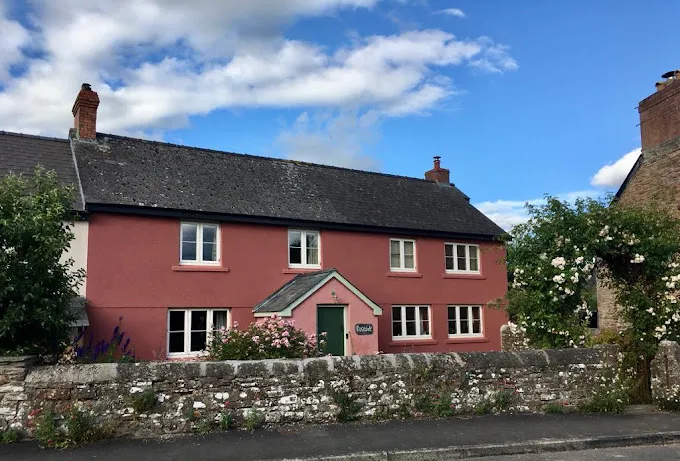
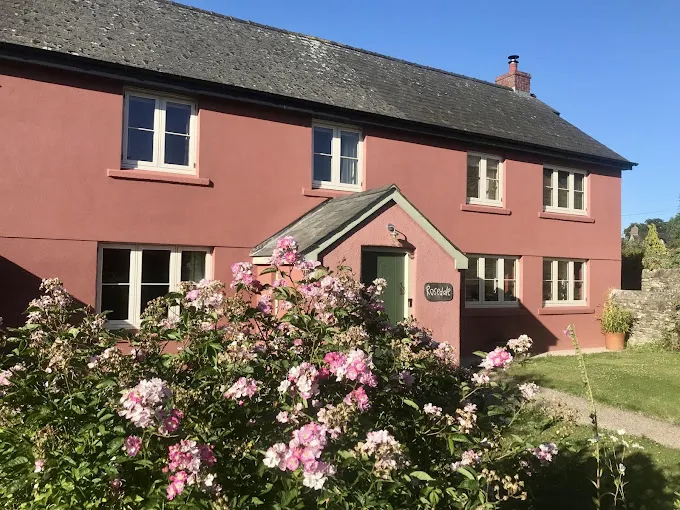
Coloured Rendering Mumbles: Complete Guide
Coloured rendering Mumbles transforms coastal properties with durable, weather-resistant finishes – discover which render systems suit the area’s exposed conditions, how spray application works, and what to expect from a professional installation.
Table of Contents
- What Is Coloured Rendering and Why It Suits Mumbles
- Render Systems for Coastal Properties
- Spray Application vs Traditional Hand Rendering
- Choosing the Right Colour and Finish
- Frequently Asked Questions
- Comparing External Render Systems
- Coloured Rendering South Wales Services
- Practical Tips for Mumbles Property Owners
- Before You Go
- Sources and Citations
Article Snapshot
Coloured rendering Mumbles is the application of pigmented external render systems to coastal properties in and around the Mumbles area of Swansea. These systems – including silicone, monocouche, and cement renders – provide weather-resistant, low-maintenance finishes that protect walls against salt air, driving rain, and coastal exposure while enhancing kerb appeal.
What Is Coloured Rendering and Why It Suits Mumbles
Coloured rendering Mumbles refers to the specialist application of pigmented external render to residential and commercial properties along this stretch of the Gower Peninsula coastline. Unlike standard grey cement render that requires painting after application, coloured render systems carry their pigment throughout the material itself – meaning the finish holds its appearance for years without the need for regular repainting. Coloured Rendering South Wales has been specifying and installing these systems across the region since 1998, with particular experience in the challenging coastal conditions found in Mumbles, Langland, and the wider Swansea Bay area.
Mumbles presents a specific set of challenges for any external wall finish. The village sits at the tip of Swansea Bay, directly exposed to prevailing south-westerly winds driving moisture and salt aerosols off the Bristol Channel. Properties here face a combination of high rainfall, persistent wind-driven damp, and salt-laden air that accelerates the deterioration of traditional painted or unprotected cement finishes. Cracks appear as renders expand and contract with temperature cycling, water penetrates those cracks, and the freeze-thaw cycle during winter months worsens the damage progressively.
A correctly specified coloured render system addresses all three of these failure modes. Silicone-based renders offer the flexibility to accommodate minor structural movement without cracking, a hydrophobic surface that repels wind-driven rain, and a breathable matrix that allows any residual moisture in the substrate to escape. The result is a self-regulating external skin that protects the wall structure while maintaining an attractive appearance – a combination that is especially valuable for the Victorian and Edwardian terraces that characterise much of Mumbles village and the surrounding residential streets.
Call Us
Through-coloured systems such as monocouche render add a further advantage: because the pigment runs through the full depth of the material, minor surface scuffs or weathering do not expose a different-coloured layer beneath. This makes them well suited to Mumbles properties where abrasive salt-laden winds and occasional storm spray are part of the long-term environment. A coloured rendering Swansea specification drawn up with coastal exposure in mind differs from one prepared for an inland property in Cardiff or Bridgend, with greater emphasis on flexibility ratings, water repellency, and salt resistance.
Render Systems for Coastal Properties in Mumbles
Three principal render systems are appropriate for Mumbles properties, each with distinct performance characteristics, and the right choice depends on the substrate, the property’s age, and the owner’s long-term maintenance expectations.
Thin Coat Silicone Render
Thin coat silicone render is the premium choice for coastal exposure. The silicone polymer binder gives the finished coat outstanding flexibility – it stretches and returns without cracking as the substrate expands and contracts – and creates a surface that actively repels liquid water while remaining open to water vapour transmission. This breathability is important for older Mumbles properties with solid masonry walls, where moisture trapped behind an impermeable finish leads to damp problems, efflorescence, and accelerated mortar deterioration.
The self-cleaning characteristic of silicone renders is particularly relevant in a coastal setting. Rain water sheets off the hydrophobic surface rather than soaking in, carrying surface dirt with it and keeping the finish looking clean between maintenance intervals. For a white or pale cream finish on a seafront property – a popular choice in Mumbles that references the traditional whitewashed character of the village – this means the render stays presentable with minimal effort throughout the year. Applied by spray in a thin layer of 1.5 mm to 3 mm, the system adds negligible weight or thickness to the wall while delivering performance that painted cement render cannot match.
Monocouche Through Colour Render
Monocouche render is a cement-based, single-coat system that is pre-mixed with mineral pigments before leaving the factory. It is applied in one coat – at 15 mm to 20 mm thick – and requires no subsequent painting. The through-coloured nature of the material means the colour is consistent from the surface through to the basecoat, so any light abrasion or surface weathering does not reveal a grey substrate beneath.
For Mumbles properties where the owner wants a strong, traditional aesthetic – particularly on detached or semi-detached houses where a textured or scratched finish suits the architectural style – monocouche is a cost-effective and durable solution. It meets British Standards for external rendering systems, performs well in high-rainfall environments, and carries water-repelling additives as standard in quality products. The Baumit guide to facade renders and paints provides useful background on how different render formulations balance water repellency, breathability, and flexibility across various substrate and climate conditions.
One Coat Cement Render
One coat cement render is the most economical option and suits properties where the owner plans to paint the external finish or where a budget-conscious renovation is the priority. Applied by spray for consistent thickness and coverage, it provides reliable weather protection and a smooth or textured surface ready for decoration. While it lacks the inherent colour stability and flexibility of silicone systems, a well-specified and correctly applied cement render gives many years of service on a Mumbles property, particularly on sheltered elevations away from the principal wind and rain exposure.
Spray Application vs Traditional Hand Rendering
Spray rendering delivers a measurably more consistent finish than hand application and completes most Mumbles projects in significantly less time, which reduces both labour costs and disruption to occupants.
In traditional hand rendering, the operative applies material with a hawk and trowel, building up the coat in sections and blending each section into the previous one. Skilled practitioners produce excellent results, but the process is time-intensive and subtle thickness variations across a large wall face are almost unavoidable. On a standard three-bedroom semi-detached property in Mumbles, hand application of a full external render takes four to five days per elevation depending on the crew size.
Spray application uses a machine pump to deliver mixed render through a nozzle at controlled pressure, depositing a uniform layer across the wall surface at a rate two to three times faster than hand application. The mechanical consistency means thickness variation across the face is minimal, which in turn means the curing profile is even and the risk of differential shrinkage cracking is reduced. For a developer working on a terrace of properties, or a homeowner wanting to minimise the period during which scaffolding occupies their driveway and garden, the time saving is significant.
Spray application produces better results with thin coat silicone systems, where the rheology of the material – its flow and consistency – is optimised for mechanical application. Hand-applying a silicone thin coat is possible, but achieving the stippled or fine-textured finish that characterises the best installations is more straightforward with spray equipment in the hands of an experienced operative. The machine applies material at the correct rate, the operative works the surface with a sponge or float to achieve the specified texture, and the result is a uniform finish across the entire elevation.
One practical consideration for Mumbles properties is access. Many streets in the village and on the hillside above the bay have limited parking and narrow pavements, and setting up a pump and hose run requires forward planning. An experienced local contractor will assess access requirements at the survey stage and factor scaffold positioning and equipment placement into the project programme before work begins. For further detail on the full range of spray and hand-applied options available across the region, see the home page of Coloured Rendering South Wales – expert spray rendering and external wall insulation services across South Wales.
Choosing the Right Colour and Finish for Your Mumbles Property
Colour selection for coloured rendering Mumbles should balance the property’s architectural character, the surrounding streetscape, and the practical performance of lighter versus darker pigments in a coastal environment.
Colour Considerations for Coastal Properties
Mumbles has a distinctive visual character shaped by its mix of Victorian stone-built terraces, Edwardian bay-fronted villas, and twentieth-century rendered properties. The traditional palette runs to whites, creams, and pale greys that reflect the light off Swansea Bay, with the occasional bolder accent in anthracite or warm stone tones on more contemporary renovations. A through-coloured render in any of these shades maintains its appearance over the long term without the fading and chalking that affects painted surfaces exposed to ultraviolet light and salt air.
Lighter colours reflect heat rather than absorbing it, which reduces thermal cycling in the render coat and lowers the mechanical stress that contributes to cracking over time. For a south-facing or west-facing elevation in Mumbles – the elevations most exposed to both direct sunlight and driving Atlantic weather – a pale or mid-tone colour is therefore both aesthetically appropriate and technically sensible. Darker renders absorb more solar energy, which benefits heating demand reduction but increases the amplitude of thermal movement.
Texture and Finish Options
Beyond colour, the texture of the finished surface affects both the visual character of the property and its practical performance. A smooth or fine-textured finish reads as contemporary and suits modernised properties or new builds. A scratched or roughcast texture has a more traditional feel and is common on older Mumbles properties where the existing render or stone finish already establishes that character. Silicone renders are available in grain sizes from 1 mm to 3 mm, giving a range from fine stipple to a coarser aggregate finish, and monocouche systems offer similar flexibility through different trowelling and brushing techniques.
Any planning considerations for properties in conservation areas or those with listed building status – and Mumbles village contains a number of buildings that fall into these categories – should be confirmed with Swansea Council before specifying a render system or colour. A knowledgeable local contractor will flag these issues during the initial survey and advise on finishes that are both technically appropriate and likely to satisfy planning requirements. For professional repairs and maintenance work to existing rendered surfaces in the area, the rendering repairs South Wales service provides specialist assessment and compatible patch repair across the region.
Your Most Common Questions
How long does coloured rendering last on a Mumbles coastal property?
A correctly specified and professionally applied coloured render system lasts 20 to 30 years on a coastal Mumbles property before any significant remedial work is needed. Thin coat silicone renders are particularly durable in marine environments because their flexible binder accommodates the structural movement caused by temperature cycling, and their hydrophobic surface prevents the water ingress that is the primary cause of render failure in high-rainfall coastal locations. Monocouche systems offer comparable longevity where they are correctly applied to a sound substrate. The factors affecting service life are substrate preparation, correct specification for the exposure category, and application quality – all of which underscore the importance of using a contractor with documented experience in coastal render projects rather than a general builder. Baumit-approved systems carry manufacturer-backed warranties of up to 25 years when installed by certified applicators, providing a documented guarantee of long-term performance.
Does coloured rendering Mumbles require planning permission?
In most cases, applying or replacing external render on a residential property in Mumbles is considered permitted development and does not require a formal planning application. However, there are important exceptions. Properties located within a designated conservation area – and parts of Mumbles village are within or adjacent to conservation designations – require prior approval or planning consent before changes to external appearance are made, including changes to render colour or texture. Listed buildings always require listed building consent for any material change to the external fabric, which includes the application of a new render system. The safest approach is to confirm the status of your property with Swansea Council’s planning department before committing to a specification. A local contractor familiar with the area will advise on likely requirements based on the property’s location and will have experience of what finishes planning officers in the area consider appropriate for the local character.
What is the difference between silicone render and monocouche render for a Mumbles home?
Silicone render is a thin coat system – applied in a layer of 1.5 mm to 3 mm – that uses a silicone polymer binder to achieve outstanding flexibility, water repellency, and breathability. It is applied over a prepared basecoat or existing sound render, making it suitable for renovation projects where the existing wall structure is retained. Its self-cleaning properties keep coastal properties looking presentable with minimal maintenance. Monocouche render is a thicker, cement-based single-coat system – at 15 mm to 20 mm – that is mixed with mineral pigments at the factory. It is applied directly to the masonry substrate in a single operation, making it efficient for new build or full re-render projects. Both systems provide excellent weather protection for Mumbles properties, but silicone render is the better choice where maximum flexibility and breathability are priorities – particularly on older solid-wall properties – while monocouche suits projects where a strong, traditional texture and a cost-effective single-application process are the key requirements.
How much does coloured rendering cost in Mumbles?
Render costs in Mumbles vary with the system chosen, the condition and preparation requirements of the existing substrate, the size and complexity of the property, and access considerations such as scaffold requirements. As a general guide for South Wales, thin coat silicone render systems represent the premium end of the external render market, reflecting both the material costs and the preparation work required to achieve a quality substrate. Monocouche render sits in the mid-range, and one coat cement render is the most cost-effective option. For a standard three-bedroom semi-detached property in Mumbles, scaffold costs form a significant proportion of the total project cost and should be factored into any budget at the outset. The most reliable way to understand the cost for your specific property is to obtain a detailed quotation following a site survey – reputable contractors assess the substrate, measure the areas accurately, and specify the appropriate system before quoting rather than providing a figure per square metre over the phone without seeing the property.
Comparing External Render Systems for Coastal Properties
Choosing the right render system for a Mumbles property requires weighing performance, cost, and maintenance requirements against each other. The table below summarises the key characteristics of the three systems most used in coastal South Wales locations, to help property owners and builders make an informed choice.
| Render System | Thickness | Flexibility | Breathability | Maintenance | Best For |
|---|---|---|---|---|---|
| Thin Coat Silicone Render | 1.5-3 mm | Excellent – polymer binder resists cracking | High – vapour open system | Very low – self-cleaning surface | Coastal renovation, older solid-wall properties, premium finish |
| Monocouche Through Colour Render | 15-20 mm | Good – reinforced cement matrix | Moderate – water-repelling additives included | Low – no painting required | New build and full re-render, traditional or contemporary texture |
| One Coat Cement Render | 10-15 mm | Moderate – standard cement formulation | Moderate – depends on paint finish applied | Medium – requires periodic repainting | Budget renovation, sheltered elevations, painted finish preferred |
Coloured Rendering South Wales: Expert Rendering for Mumbles Properties
Coloured Rendering South Wales has been delivering professional plastering and spray rendering services across the region since 1998. Based in Swansea, we work extensively throughout Mumbles, Langland, West Cross, and the wider Gower Peninsula, and we understand the specific demands that coastal exposure places on external render specifications. Our team uses professional spray application equipment to deliver consistent, high-quality finishes efficiently – completing a standard residential property in a fraction of the time required for traditional hand application.
We offer the full range of external render systems appropriate for Mumbles properties, from thin coat silicone render through to monocouche and one coat cement systems, as well as complete External Wall Insulation installations for property owners seeking to combine improved thermal performance with a fresh external finish. As a Baumit Approved EWI Applicator with City and Guilds Assured accreditation, we install Baumit StarTop premium silicone render and full EWI systems with manufacturer-backed warranties of up to 25 years. Our EWI specialists South Wales service is particularly relevant for older Mumbles properties with solid masonry walls where improving energy efficiency alongside external appearance is the goal.
Every project begins with a free site assessment where we evaluate the existing substrate, identify any preparatory work needed, and recommend the render system best matched to the property’s exposure, substrate condition, and the owner’s objectives. Our perfect 5.0 Google rating reflects the consistent standard of our workmanship and our straightforward approach to client communication.
“With over 15 years in the building trade I have experienced several different plasterers all offering different styles and finishes. Geoff’s thin coat spray finish render would rival the best and I can’t recommend his team enough to someone thinking of using him. His professionalism and work ethic has stood out from many of the others we have worked with.” – Keri Hopkins, Google Review
“We’re 100% happy and wouldn’t hesitate to recommend Jeff. His workmanship is excellent and we’re also very happy with the product he recommended to eradicate the penetrating damp and give our house a great new look and lease of life.” – Alistair Legge, Google Review
To discuss your Mumbles rendering project, contact Coloured Rendering South Wales for a free quote or consultation on your rendering project or call us directly on 07815 868070.
Practical Tips for Mumbles Property Owners Planning External Rendering
Getting the best results from a coloured rendering project in Mumbles starts well before the contractor arrives on site. The following guidance will help you plan effectively and avoid the most common pitfalls.
Commission a substrate survey before specifying a system. Hollow or debonded areas of existing render, rising damp, and poorly pointing mortar joints all need to be addressed before a new render coat is applied. Applying new render over a failed substrate is the single most common cause of premature render failure, and it is entirely avoidable with a proper pre-contract assessment.
Account for scaffold costs in your budget from the outset. On a standard Mumbles property – particularly on the hillside streets above the village where ground levels change around the building – scaffold is a significant cost component. Combining rendering with other external works such as window replacement, fascia and soffit renewal, or guttering repairs while the scaffold is already erected is strongly advisable.
Check the weather window for application. Most render systems require minimum application temperatures of 5°C and should not be applied in rain or direct frost. South Wales winters deliver extended periods of cold, wet weather that delay external render work, so planning a Mumbles rendering project for late spring through early autumn gives the best chance of sustained suitable conditions and adequate curing time before the first winter exposure.
Specify for your exposure category. Properties on the seafront or on elevated positions facing south-west receive significantly higher wind-driven rain loads than sheltered streets further inland. The render system, render type, and detail specification at reveals, sills, and copings should all reflect the actual exposure of each elevation rather than a generic domestic specification.
Ask about colour retention guarantees. Quality through-coloured render systems and silicone thin coats use UV-stable mineral pigments that maintain their colour far longer than external masonry paint. Ask your contractor about the specific product being used and what colour retention performance the manufacturer documents, particularly for south and west-facing elevations where ultraviolet exposure is greatest.
For examples of completed projects across Swansea and the surrounding area, including coastal properties, the gallery – view examples of our high-quality spray rendering and repair work provides a useful reference for colour, texture, and system selection.
Before You Go
Coloured rendering Mumbles is one of the most effective investments a coastal property owner in this part of South Wales can make – protecting the wall structure against the demanding combination of salt air, high rainfall, and wind-driven damp while delivering a fresh, low-maintenance external appearance that adds real value to the property. Choosing the right render system for the substrate and exposure, specifying a through-coloured or silicone-based finish for longevity, and entrusting the installation to a contractor with proven local experience are the three decisions that determine whether a rendering project delivers lasting results or requires costly remedial work within a few years.
Coloured Rendering South Wales has been the trusted choice for rendering projects across Mumbles and the wider Swansea Bay area since 1998. Call us on 07815 868070, email geoff@colouredrenderingsouthwales.com, or visit our contact page to arrange a free site survey and quotation for your property.
Sources and Citations
- Choose The Perfect Facade, Renders and Paints. Baumit UK.
https://baumit.co.uk/guides/facade-renders-and-paints