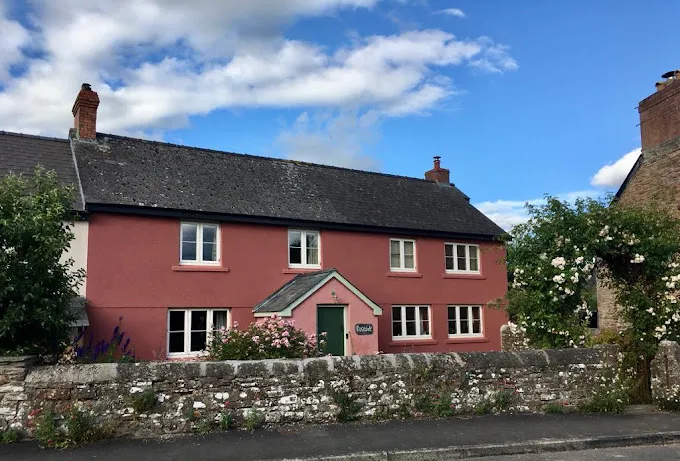
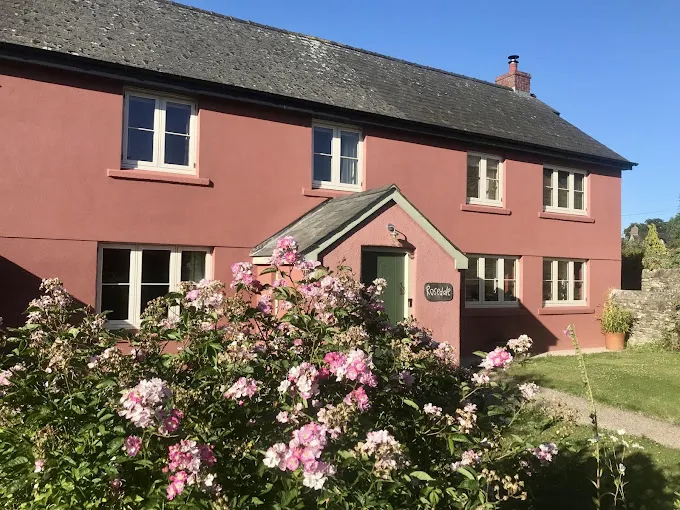
Expert Coloured Rendering Pontarddulais Guide
Coloured rendering Pontarddulais services protect and transform property exteriors with durable, weather-resistant finishes suited to the local climate and architectural character of this South Wales town.
Table of Contents
- What Is Coloured Rendering and Why It Matters
- Render Systems for Pontarddulais Properties
- Application Process and What to Expect
- Choosing the Right Render for Your Property
- Frequently Asked Questions
- Comparing Render Systems
- Coloured Rendering South Wales Services
- Practical Tips for Property Owners
- The Bottom Line
- Sources & Citations
Article Snapshot
Coloured rendering Pontarddulais is an external wall finishing system that applies pre-coloured or through-pigmented render to protect and enhance building facades. Modern silicone and monocouche systems deliver long-lasting, low-maintenance protection specifically suited to the wet, coastal-influenced climate found throughout this part of South Wales.
Coloured Rendering Pontarddulais in Context
- Pontarddulais has a built-up population of 9,073 residents as of the 2021 census, representing a substantial residential property base for rendering services (Wikipedia, 2025).[1]
- The town covers an area of 15.58 square kilometres, with a mix of Victorian terraces, inter-war semis, and modern developments – all common candidates for external rendering (Pontarddulais Town Council, 2024).[2]
- Pontarddulais sits approximately 10 miles north of Swansea city centre, placing it within a zone of high rainfall and humidity that accelerates wear on untreated or painted external walls (Wikipedia, 2025).[1]
- Welsh Government planning assessments specify up to 50% through colour rendered finishes on new residential developments in the region, confirming coloured render as a standard for new-build and renovation specifications across South Wales (Welsh Government, 2023).[3]
What Is Coloured Rendering and Why It Matters for Pontarddulais Properties
Coloured rendering Pontarddulais refers to the application of pigmented external render systems to the outer walls of residential and commercial buildings, combining structural protection with lasting aesthetic appeal. Unlike conventional painted finishes, coloured renders carry their hue throughout the material itself or within a durable surface layer, meaning the colour cannot peel away and does not require regular repainting. Coloured Rendering South Wales has been delivering these systems across the region since 1998, with specialist knowledge of the local climate and building stock that makes a genuine difference to specification decisions.
Pontarddulais sits on the northern edge of the Swansea metropolitan area, approximately 10 miles from the city centre (Wikipedia, 2025).[1] The town developed rapidly during the industrial era, with housing stock ranging from Victorian stone terraces to post-war brick semis and modern rendered new builds. A Design and Access Statement for a major Pontarddulais development noted that “the architectural style of these dwellings predominantly incorporates brick, stone, and rendered facades” (Building Materials Architect, Walters Group, 2023).[4] This confirms that coloured rendering is not an imported aesthetic but a continuation of the town’s established building tradition.
The town’s climate reinforces the case for quality external render. Elevated rainfall, wind-driven moisture, and temperature fluctuations throughout the year place considerable stress on external walls. Properties with failed or inadequate render face damp penetration, efflorescence, and structural deterioration that become expensive to remedy. A well-specified coloured render system acts as the first line of defence, shedding water from the wall surface while allowing the substrate to breathe. For homeowners in Pontarddulais, this is not simply a cosmetic upgrade – it is a practical investment in the long-term condition and value of the property.
Call Us
The town’s built-up population of 9,073 residents as of the 2021 census (Wikipedia, 2025)[1] and its coverage across 15.58 square kilometres (Pontarddulais Town Council, 2024)[2] represent a substantial and varied property base. Whether the building is a terraced cottage near the town centre, a detached house on a newer estate, or a commercial premises on the main road, coloured rendering offers a durable solution that improves appearance and reduces long-term maintenance costs.
Render Systems Suited to Pontarddulais Properties
Three primary render systems are used for coloured rendering work in Pontarddulais, each suited to different property types, substrates, and client objectives. Understanding the differences helps property owners commission the right system the first time and avoid costly remedial work later.
Thin Coat Silicone Render
Thin coat silicone render is the most widely specified external render system for residential and commercial properties in South Wales. Applied at just 1.5 to 3mm thickness over a reinforced basecoat, it delivers a smooth or lightly textured finish in a wide range of pre-mixed colours. The silicone chemistry makes the render both waterproof and vapour-permeable – water is repelled from the surface while moisture within the wall escapes outward, preventing trapped condensation and associated damp problems.
Silicone render also incorporates self-cleaning properties. Rain washes dirt from the hydrophobic surface, keeping the facade looking fresh for years without washing or repainting. “Unlike painted finishes that require regular maintenance, through-coloured silicone renders maintain their appearance for decades without fading or chalking,” according to a rendering specialist at Coloured Rendering South Wales (2025).[5] This characteristic is particularly relevant for properties in Pontarddulais, where road dust, organic growth, and wind-borne particles are common. The Baumit guide to facade renders and paints provides further technical context on silicone system performance across different exposure conditions.
Monocouche Through Colour Render
Monocouche render is a cement-based, through-coloured system applied in a single coat directly to masonry substrates. The colour is integral to the mix, meaning the hue runs through the full thickness of the applied layer. A rendering specialist explained the process: “This through-coloured rendering system incorporates both the base coat and decorative finish in one application. The render is pre-mixed with colour pigments” (Monocouche Rendering Expert, Coloured Rendering South Wales, 2025).[6] This approach eliminates the need for a separate primer or finish coat, reducing both labour time and the number of application stages.
For Pontarddulais properties that require a more traditional aesthetic – such as Victorian terraces or stone-faced buildings – monocouche render delivers texture and depth that complement the existing character of the building. It is compatible with brick, block, and concrete substrates and meets British Standards for external rendering systems.
One Coat Cement Render
One coat cement render provides a cost-effective solution for properties where the owner intends to paint the exterior or where a smooth base for a decorative topcoat is required. Applied using spray equipment for consistent coverage, it simplifies the traditional multi-coat rendering process. While it requires periodic repainting to maintain appearance, the system offers proven durability and flexibility in colour choice over time. It remains a practical option for landlords, developers working to tighter budgets, and properties where an existing colour scheme must be matched exactly.
Application Process and What to Expect from Spray Rendering
The spray rendering process used by specialist contractors in Pontarddulais follows a structured sequence that determines both the quality of the finished result and the longevity of the system. Understanding each stage helps property owners prepare effectively and set realistic expectations for project duration and disruption.
Surface Preparation
Thorough preparation is the foundation of any lasting render installation. Before any material is applied, the existing substrate must be assessed for structural integrity, contamination, and suction consistency. Loose or hollow areas of existing render are cut out and made good. Biological growth – algae, moss, and lichen – is treated and removed, as organic matter beneath a new render coat causes adhesion failure. Cracks are filled with compatible repair mortars. For walls with high or variable suction, a bonding agent or primer coat is applied to ensure the render adheres uniformly across the surface.
Window and door openings, soffits, fascias, and any adjacent features are protected with masking tape and sheeting to prevent overspray. This preparation stage, while time-consuming, directly determines how the render performs in service. Skipping or cutting short the preparation phase is the most common reason for premature render failure on properties in South Wales.
Basecoat and Mesh Application
For thin coat silicone systems, a polymer-modified basecoat is applied to the prepared substrate and a fibreglass reinforcing mesh is embedded into the wet material. The mesh layer distributes tensile stresses across the render surface, significantly reducing the risk of cracking from thermal movement, substrate settlement, or impact. Once the basecoat has cured to the manufacturer’s specified schedule, a primer compatible with the finish coat is applied to improve adhesion and even out any remaining surface variation.
Spray application at this stage ensures consistent basecoat thickness across the entire wall area – a result that is difficult to achieve with hand application, particularly on large or complex elevations. The UK Building Regulations Approved Documents set out the performance requirements that properly installed render systems must meet, including resistance to weather penetration.
Finish Coat Application and Curing
The coloured finish coat is spray-applied over the primed basecoat, then worked to the specified texture – fine, medium, or scraped – by the application team. Spray delivery produces highly consistent material distribution, reducing the risk of colour variation or thin spots that occur with trowel application over large areas. Once applied, the render requires a curing period during which it must be protected from rain, frost, and direct sunlight. The duration depends on the system used, air temperature, and humidity conditions. Specialist contractors schedule work to account for weather forecasts, which is particularly important during autumn and winter months in South Wales.
Choosing the Right Coloured Render for Your Pontarddulais Property
Selecting the appropriate coloured render system for a Pontarddulais property requires balancing the substrate condition, the building’s architectural character, the client’s budget, and the desired long-term maintenance commitment. The right choice depends on a combination of technical and practical factors that an experienced local contractor assesses on site.
Substrate and Building Age Considerations
Older properties built before the 1920s use solid wall construction without a damp-proof course, meaning the walls rely on their ability to breathe and dry out naturally. For these buildings, vapour-permeable render systems – particularly silicone-based products – are essential. Applying a dense, impermeable cement render to a solid wall property traps moisture within the masonry, leading to damp, spalling, and frost damage. Victorian and Edwardian terraces, which form a significant part of Pontarddulais’s housing stock, fall into this category.
Cavity wall properties from the post-war period onward are more tolerant of a wider range of render systems, though vapour permeability remains desirable. New builds and recently insulated properties are specified with silicone or acrylic renders as standard. Where External Wall Insulation is being installed as part of an energy efficiency upgrade, the render finish must be compatible with the insulation board system – a technical requirement that manufacturer-certified applicators are trained to meet.
Colour Selection and Regional Character
Colour choice is both an aesthetic and a practical decision. Lighter colours reflect more solar radiation and absorb less heat, reducing thermal cycling stress on the render surface. Darker colours absorb more heat, which benefits thermal comfort but accelerates the ageing of some render types if UV-resistant pigments are not used. “The colour stability results from high-quality pigments that resist ultraviolet degradation,” according to a technical specialist in coloured render systems (Rendering Technical Advisor, 2025).[5]
In Pontarddulais, the predominant palette of rendered properties tends toward creams, off-whites, and light greys that complement the stone and brick character of the surrounding built environment. Contemporary new developments increasingly use mid-grey and anthracite tones for a modern aesthetic. Planning constraints in conservation areas or on listed buildings restrict colour choices, so it is always worth checking with the local planning authority before committing to a colour scheme.
Budget and Long-Term Value
The initial cost of a premium silicone render system is higher than a basic cement render with paint finish. Over a ten to fifteen year horizon, however, the silicone system delivers better value. The elimination of repainting costs – which for a typical semi-detached property run to several hundred pounds every five to seven years – offsets the higher upfront expenditure within the first repaint cycle. Low-maintenance renders also reduce the disruption and inconvenience associated with regular exterior decoration, which is a material consideration for landlords managing multiple properties or families in full-time occupation.
Your Most Common Questions
How long does coloured rendering last on a property in Pontarddulais?
The lifespan of a coloured render system depends on the product type, the quality of preparation and application, and the exposure conditions at the specific property. Thin coat silicone render systems installed by certified applicators carry manufacturer-backed warranties of 10 to 25 years, depending on the system specification. In practice, well-installed silicone renders on South Wales properties regularly exceed these warranty periods without significant deterioration. Monocouche through colour renders have a comparable service life when correctly applied to a sound substrate. One coat cement renders with a painted finish have a shorter effective cycle before repainting is required – five to eight years depending on exposure and paint quality. Properties in particularly exposed positions, such as those on elevated ground or near the northern edges of Pontarddulais where wind-driven rain is more intense, experience faster weathering of any external finish. Regular inspection – ideally every few years – allows minor issues to be identified and addressed before they develop into more costly repairs. A specialist contractor assesses the condition of your render and advises on whether a repair or full replacement approach offers better value at each inspection point.
Do I need planning permission for coloured rendering in Pontarddulais?
For most residential properties in Pontarddulais, re-rendering or applying a new render system to existing exterior walls falls within permitted development rights, meaning planning permission is not required. However, there are important exceptions. If your property is a listed building, any alteration to the external appearance – including the application of new render – requires listed building consent regardless of the nature of the work. Properties within designated conservation areas are also subject to additional controls, particularly where the proposed change would materially alter the character of the building or streetscape. It is always advisable to contact the planning department at the City and County of Swansea Council before beginning work if you are uncertain about your property’s status. Similarly, if the property is part of a leasehold development or subject to a management company covenant, permission from the relevant body is required before external alterations are carried out. A reputable local rendering contractor will be familiar with these requirements and advise you during the initial consultation, though the legal responsibility for obtaining any necessary permissions rests with the property owner.
What is the difference between coloured rendering and painted render?
Painted render involves applying a cement or gypsum-based render to the wall and then coating the surface with exterior masonry paint to provide colour and some weather resistance. The paint film sits on top of the render surface and provides the colour. Over time, paint films fade, chalk, peel, and crack – requiring full redecoration every five to eight years to maintain appearance and protection. Coloured rendering, by contrast, incorporates the colour within the render material itself. In through-coloured monocouche systems, the pigment is dispersed throughout the full thickness of the applied coat. In silicone render systems, the colour is integral to the finish layer and is protected by the silicone binders that also provide water repellency. Because the colour is not a surface film, it cannot peel away, and the UV-stable pigments used in quality systems resist fading for the life of the render. The practical result is that coloured rendering eliminates the repainting cycle entirely, reducing long-term maintenance costs and the disruption that comes with periodic exterior decoration. For property owners in Pontarddulais who want a genuinely low-maintenance exterior, through-coloured render systems represent a significant improvement over the traditional render-and-paint approach.
Can rendering be applied over existing render in Pontarddulais?
Whether new render is applied over existing render depends entirely on the condition and integrity of what is already on the wall. If the existing render is sound – well-bonded, free of cracks and hollow spots, and chemically compatible with the new system – some thin coat silicone products are applied directly over it, subject to appropriate priming. This approach reduces project cost and duration by avoiding the labour-intensive process of hacking off the old material. However, if the existing render shows signs of hollow patches, delamination, active cracking, or damp contamination, applying new render over the top is poor practice. Hollow patches trap moisture and prevent proper adhesion of the new coat, leading to premature failure. In these circumstances, the correct approach is to remove the defective render, allow the substrate to dry thoroughly, and apply the new system to the clean masonry. A thorough tap test – knocking the surface with a knuckle or a small mallet and listening for the dull thud that indicates a hollow – is the standard initial diagnostic used by experienced rendering contractors. The assessment of existing render condition is one of the most important steps in specifying a new installation, and it requires professional judgement that cannot be reliably made from photographs or a brief visual inspection.
Comparing Coloured Render Systems for South Wales Properties
Choosing between render systems involves weighing upfront cost, long-term performance, maintenance requirements, and suitability for the specific property type. The table below compares the three principal systems used for coloured rendering work in Pontarddulais and the wider South Wales area to help property owners understand the key trade-offs before consulting a specialist contractor.
| Render System | Typical Warranty | Maintenance Requirement | Best Suited To | Vapour Permeable |
|---|---|---|---|---|
| Thin Coat Silicone Render | 10-25 years (manufacturer-backed) | Very low – self-cleaning surface, no repainting required | All property types; essential for solid wall and EWI systems | Yes |
| Monocouche Through Colour Render | 10-20 years | Low – through-colour eliminates painting cycle | New builds, masonry renovations, traditional aesthetics | Yes (water-repelling additives) |
| One Coat Cement Render | 5-10 years before redecoration | Moderate – periodic repainting required every 5-8 years | Properties where flexible colour choice is a priority | Limited |
Coloured Rendering South Wales – Local Rendering Expertise
Coloured Rendering South Wales has been serving property owners across the region since 1998, bringing over 25 years of specialist experience to residential and commercial rendering projects throughout Pontarddulais and the wider South Wales area. As a Baumit Approved EWI Applicator with City & Guilds Assured accreditation, the company is certified to install Baumit StarTop premium silicone render and complete External Wall Insulation systems carrying manufacturer-backed warranties of up to 25 years. This formal certification provides property owners with documented long-term protection that informal or uncertified rendering work cannot match.
The company’s spray rendering capability sets it apart from contractors relying solely on traditional hand application. Spray technology delivers consistent material thickness and coverage across large or complex wall surfaces, reducing project duration by two to three times compared to hand application methods. For a family in an occupied home in Pontarddulais, this means shorter periods of disruption, sheeting, and scaffolding – a practical benefit that clients consistently highlight in feedback.
“With over 15 years in the building trade I have experienced several different plasterers all offering different styles and finishes. Geoff’s thin coat spray finish render would rival the best and I can’t recommend his team enough to someone thinking of using him. His professionalism and work ethic has stood out from many of the others we have worked with.” – Keri Hopkins, Google Review
“We’re 100% happy and wouldn’t hesitate to recommend Jeff. His workmanship is excellent and we’re also very happy with the product he recommended to eradicate the penetrating damp and give our house a great new look and lease of life.” – Alistair Legge, Google Review
The company’s service range covers everything from professional rendering repairs in South Wales through to complete EWI installations and internal plastering. Whether your Pontarddulais property needs a patch repair on failing render or a full external makeover with a modern silicone finish, the team assesses the building and recommends the most appropriate and cost-effective solution. Contact Coloured Rendering South Wales for a free quote or consultation on your rendering project by calling 07815 868070 or emailing geoff@colouredrenderingsouthwales.com.
Practical Tips for Pontarddulais Property Owners Considering Rendering
Acting on the right information before a rendering project begins saves significant cost and prevents problems that are difficult to remedy once the work is complete. The following guidance is drawn from real-world experience of rendering properties in South Wales.
Inspect your walls before requesting quotes. Walk around the property and note any cracks, staining, damp patches, or areas where the existing render sounds hollow when tapped. This information helps a contractor provide an accurate quote and avoids surprises once preparation work begins. Hidden defects discovered after scaffolding is up add cost and delay to the project.
Consider the season. External render should not be applied when temperatures are below 5°C or when frost is forecast within 24 hours of application. Similarly, very hot, dry, or windy conditions accelerate drying too quickly, causing surface cracking. In South Wales, the months from April to September offer the most reliably suitable conditions for rendering, though experienced contractors work year-round by monitoring forecasts closely.
Ask about vapour permeability if your property was built before 1930. Solid wall properties need breathable render systems. Confirm that the proposed product is vapour-permeable and compatible with your substrate before committing to a system. This single specification decision has more impact on long-term performance than any other.
Verify contractor certification for EWI work. If you are combining rendering with External Wall Insulation, use a contractor who holds formal manufacturer accreditation. Certification schemes such as Baumit’s Approved Applicator programme ensure the installer has been trained in the specific system being used, and manufacturer warranties are only available when a certified applicator completes the installation. You can view completed rendering and EWI projects through the Coloured Rendering South Wales project gallery to assess the standard of finish before making contact.
Factor in the whole-life cost. When comparing quotes for different render systems, calculate the ten-year total cost including maintenance – not just the initial installation price. A silicone render at a higher initial cost will be more economical over ten years once repainting costs are excluded from the comparison.
The Bottom Line
Coloured rendering Pontarddulais is a practical and aesthetically rewarding investment for residential and commercial property owners across this part of South Wales. The right render system – properly specified for the substrate, the building’s age, and the local climate – protects external walls for decades, eliminates costly repainting cycles, and improves property appearance and value. Modern silicone and monocouche systems deliver performance levels that traditional painted render cannot match in the long term.
Pontarddulais’s mix of Victorian, post-war, and contemporary properties means no single solution fits every building, and the difference between a successful installation and a premature failure often comes down to preparation quality and system selection rather than the render product itself. Working with an experienced, certified local contractor removes much of this risk.
To discuss your property and get a free assessment from a team with over 25 years of South Wales rendering experience, call Coloured Rendering South Wales on 07815 868070, email geoff@colouredrenderingsouthwales.com, or visit the Coloured Rendering South Wales homepage to learn more about the full range of services available.
Sources & Citations
- Pontarddulais. Wikipedia.
https://en.wikipedia.org/wiki/Pontarddulais - PTC Annual Report 2023-24. Pontarddulais Town Council.
https://www.pontarddulaistowncouncil.gov.uk/_UserFiles/Files/PTC%20Annual%20Report%202023_24.pdf - LDP Baseline: Renewable Energy Assessment. Welsh Government.
https://www.gov.wales/sites/default/files/publications/2023-07/atisn18613doc6.pdf - Design Access Statement Former Tata Steelworks Site Pontarddulais. Walters Group.
https://walters-group.co.uk/wp-content/uploads/2023/10/DAS_01_Design-Access-Statement_261023.pdf - Expert Silicone Render South Wales Services. Coloured Rendering South Wales.
https://www.colouredrenderingsouthwales.com/silicone-render-south-wales/ - Expert Monocouche Rendering Pontardawe Services. Coloured Rendering South Wales.
https://www.colouredrenderingsouthwales.com/monocouche-rendering-pontardawe/