
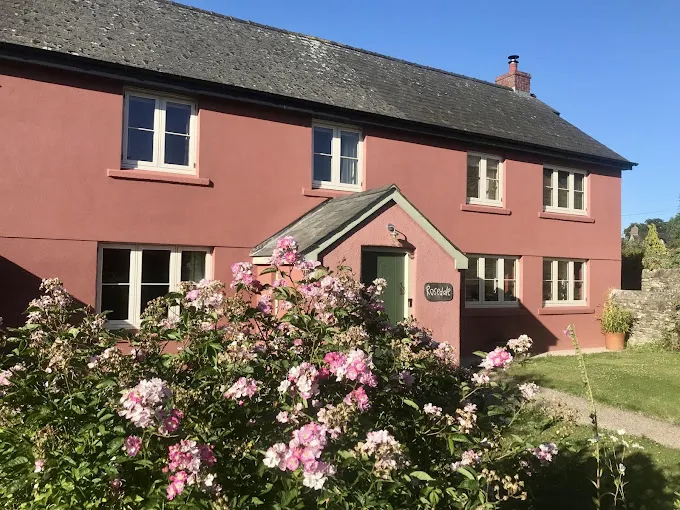
EWI Specialists Kidwelly: Save Energy & Transform Walls
EWI specialists Kidwelly homeowners trust can cut heating bills, stop damp, and transform exterior walls – discover how external wall insulation works and what to look for in a qualified installer.
Table of Contents
- What Is External Wall Insulation and How Does It Work?
- Key Benefits of EWI for Kidwelly Properties
- Choosing Qualified EWI Specialists Kidwelly
- EWI Render Finishes and System Options
- Your Most Common Questions
- Comparing EWI System Types
- Coloured Rendering South Wales: EWI Services
- Practical Tips for Your EWI Project
- Final Thoughts on EWI Specialists Kidwelly
- Useful Resources
Article Snapshot
EWI specialists Kidwelly is a term describing certified contractors who design and install external wall insulation systems on properties in and around Kidwelly, Carmarthenshire. These systems bond insulation boards to exterior walls, add reinforcing mesh, and apply a durable render finish to reduce heat loss, prevent damp, and improve a property’s EPC rating.
Quick Stats: EWI Specialists Kidwelly
- Quality EWI installations carry a guarantee of up to 25 years, providing long-term performance assurance (EWIS UK, 2026)[1]
- Leading EWI contractors report over 1,000 satisfied clients from completed external wall insulation projects (EWI Specialist Ltd, 2026)[2]
- Top-rated EWI specialists maintain membership with trade vetting platforms such as Checkatrade for 9 or more years, showing sustained accountability (Checkatrade, 2026)[3]
What Is External Wall Insulation and How Does It Work?
EWI specialists Kidwelly install external wall insulation systems that wrap the outside of a building in a continuous layer of insulation, eliminating the cold spots and thermal bridging that cause heat loss and condensation in older solid-wall properties. The system bonds high-performance insulation boards directly to the existing exterior wall, applies a reinforcing base coat embedded with fibreglass mesh, and then finishes with a weather-resistant render. The result is a fully weatherproofed, thermally efficient envelope that transforms how a property performs and looks.
Kidwelly sits in Carmarthenshire, a coastal and rural part of South Wales exposed to Atlantic weather systems that bring persistent rainfall, salt-laden air, and driving wind. Standard render systems applied without an insulation substrate fail in these conditions over time, allowing water ingress and reducing the thermal value of the wall. EWI addresses this directly – the insulation layer sits outside the structural wall, keeping the masonry warm and dry, while the render finish is specified for the local climate.
The build-up of a typical EWI system follows a defined sequence. Insulation boards – most commonly expanded polystyrene (EPS), mineral wool, or phenolic foam – are mechanically fixed and adhesively bonded to the prepared wall surface. A reinforced base coat is applied over the boards, followed by a primer and then the chosen finish coat. Silicone render is the most popular finish for South Wales properties because its flexibility accommodates minor structural movement, its water-repellent chemistry sheds rain, and its breathable structure allows vapour to escape without trapping moisture inside the wall.
Call Us
As EWIS Team explains: “We specialise in installing Exterior Wall Insulation Systems on new build and existing buildings to reduce heat loss, making them more energy efficient, easier to maintain and with an improved appearance.” (EWIS UK, 2026)[4]
For properties in Kidwelly and the wider Carmarthenshire area, specifying the correct insulation thickness and render type is critical. A Baumit Approved EWI Applicator with UK Building Regulations compliance knowledge will calculate the required U-value improvement and select materials accordingly, ensuring the finished system meets Part L requirements for thermal performance in Wales.
Key Benefits of EWI for Kidwelly Properties
External wall insulation delivers measurable improvements to energy efficiency, property condition, and long-term maintenance costs for homes and commercial buildings across Kidwelly and Carmarthenshire. The benefits are most pronounced in pre-1920 solid-wall properties, which account for a significant share of the housing stock in Welsh market towns and villages, but modern cavity-wall buildings also benefit from EWI where cavity fill is impractical or insufficient.
The primary gain is thermal performance. Solid stone or brick walls without insulation have U-values of 1.7 W/m²K or higher, meaning they lose heat rapidly. Adding EWI with a 90-100mm EPS board reduces that figure to below 0.30 W/m²K – the standard required under current building regulations for newly insulated walls. Lower U-values translate directly into reduced heating demand, lower energy bills, and improved EPC ratings, which matter increasingly for landlords meeting Minimum Energy Efficiency Standards and for homeowners seeking to sell or refinance.
Damp prevention is the second major benefit for Kidwelly properties. The town’s proximity to the Gwendraeth estuary and its exposure to westerly Atlantic weather mean that driving rain penetration is a genuine problem for exposed masonry. EWI wraps the wall in a continuous, water-repellent render that prevents rain from reaching the substrate while still allowing water vapour to pass outward from inside the building. This breathable, weatherproof combination stops penetrating damp without creating condensation problems within the wall.
Improved thermal comfort follows directly from reduced heat loss and the elimination of cold wall surfaces. Rooms feel warmer at lower thermostat settings, and the risk of condensation on interior wall surfaces – a common complaint in older Carmarthenshire properties – drops significantly. External wall insulation also reduces thermal bridging at junctions between walls, floors, and roofs, which are the coldest points in a building and the first locations where mould growth appears.
EWI provides a complete aesthetic transformation. A fresh render finish over insulation boards refreshes a tired or damaged exterior in a single operation, available in dozens of colours and textures. For Kidwelly’s period townhouses and rural farmhouses, this means achieving contemporary kerb appeal while retaining the building’s underlying character – and doing so with a finish that requires no repainting for the lifetime of the system.
Choosing Qualified EWI Specialists Kidwelly
Selecting properly qualified EWI specialists Kidwelly ensures the system is correctly specified, installed to manufacturer requirements, and backed by warranties that protect your investment for decades. EWI is a technically demanding installation that requires precise detailing around windows, doors, soffits, and junctions – errors at these points are the most common cause of system failure and water ingress in the years following installation.
Certification is the first criterion. Look for installers holding accreditation as an approved applicator with the render or insulation system manufacturer they intend to use. Baumit, for example, operates a City and Guilds Assured training and approval programme; only approved applicators can install Baumit StarTop silicone render and full EWI systems with manufacturer-backed warranties of 10 to 25 years. Manufacturer approval means the installer has been assessed for technical competence and that their work qualifies for the system guarantee – without this, you receive only a contractor’s own workmanship warranty, which offers far less protection.
Trade vetting membership provides an additional layer of assurance. Platforms such as Checkatrade verify contractor credentials, insurance, and customer feedback independently. The Property Care Association and similar bodies also maintain directories of assessed contractors for damp and insulation work. Cross-referencing a contractor’s presence on these platforms with their stated manufacturer approvals is a reliable way to verify that marketing claims are accurate.
Experience specific to Welsh coastal and upland conditions matters for properties in Kidwelly. A contractor who has worked extensively in Swansea, Llanelli, and rural Carmarthenshire understands that render specifications for an exposed coastal elevation differ from those appropriate for a sheltered urban setting. They know which systems perform reliably under sustained wet weather and which aggregate grades deliver the right surface texture for traditional Welsh stone properties.
As a verified Checkatrade reviewer described after a completed EWI project: “Sebastian and his team were fantastic! They were co-operative with the building control inspector. They carried out the works in line with their estimated time frames and estimated costs with as minimum disruption as possible. They were very communicative and were conscious to ensure we were happy with how the house looked once finished!” (Checkatrade, 2024)[3]
Request written quotations that specify insulation board type, thickness, and U-value calculation, together with the full system reference and the warranty terms – both manufacturer and workmanship. A contractor who cannot provide this information in writing is unlikely to be installing a compliant, warranted system.
EWI Render Finishes and System Options
The render finish applied over external wall insulation determines the long-term appearance, weather resistance, and maintenance requirements of the completed EWI system, making it one of the most important decisions in any EWI project. EWI contractors Kidwelly offer three primary render types as the outer coat: thin coat silicone render, monocouche through-colour render, and acrylic render – each with distinct characteristics suited to different property types and client priorities.
Thin coat silicone render is the most specified finish for South Wales EWI projects. Applied in layers of just 1.5-3mm, silicone render adds minimal thickness to the wall profile while delivering exceptional weather resistance. Its polymer chemistry gives it a degree of flexibility that resists hairline cracking as the substrate moves seasonally. The silicone content makes the surface hydrophobic – rain beads and runs off rather than soaking in – while the open structure of the material allows water vapour to pass outward from inside the building. For Kidwelly properties facing westerly Atlantic weather, these properties make silicone render the most practical long-term choice. Self-cleaning pigments in quality silicone products help the surface shed organic growth and atmospheric pollutants, keeping the finish looking fresh between the rare occasions when light washing is needed.
Monocouche through-colour render offers a more traditional aesthetic suitable for Carmarthenshire’s period properties. Unlike silicone render, which is applied over a separate basecoat, monocouche is a cement-based single-coat system in which colour runs through the full depth of the render layer. This means minor surface abrasions do not expose a contrasting colour beneath, and the finish does not require painting. Monocouche is applied by spray or by hand, accepts a range of surface textures from smooth to roughcast, and is highly compatible with the stone and brick substrates common in older Kidwelly buildings. Its cement base provides excellent hardness and impact resistance, making it a sound choice for ground-floor elevations and commercial properties where accidental damage is a concern.
Acrylic render is a cost-effective option for projects where budget is the primary constraint. It is more flexible than traditional cement renders but less so than silicone, and its closed surface structure means it is less breathable – a relevant consideration for older solid-wall properties where vapour management is important. For newer cavity-wall properties where breathability is less critical, acrylic render represents a practical and durable finish that accepts a wide range of colours and textures.
External insulation Kidwelly projects also incorporate specialist features at the render stage, including contrasting feature panels, recessed band details, and coloured quoin stones to break up large wall areas and add architectural interest. These details are applied during the render phase and have no additional structural implication for the EWI system beneath.
Your Most Common Questions
Is external wall insulation suitable for older stone properties in Kidwelly?
Yes, external wall insulation is well suited to older stone properties and is the preferred insulation method for solid-wall buildings in Carmarthenshire. Solid stone and rubble-filled walls cannot be cavity-filled, so EWI is the most practical route to meaningful thermal improvement. The key requirement is specifying a breathable render finish – such as thin coat silicone render – that allows moisture vapour to pass outward from the historic wall structure without trapping damp inside. Mineral wool insulation boards are frequently selected for solid stone buildings because they offer greater vapour permeability than EPS alternatives, further supporting moisture management. Qualified EWI specialists Kidwelly carry out a wall condition survey before specifying the system, checking for existing dampness, structural cracks, and failed pointing that need to be addressed before insulation is applied. Applying EWI over a compromised wall surface traps existing problems rather than solving them, so thorough preparation is important. When correctly specified and installed, EWI on a stone property in Kidwelly significantly improves thermal comfort, eliminates penetrating damp, and transforms the exterior appearance while preserving the building’s character.
How much does external wall insulation cost for a typical Kidwelly home?
The cost of wall insulation specialists Kidwelly install varies according to the size of the property, the insulation board thickness required, the render finish selected, and the complexity of detailing around windows, doors, and architectural features. A typical three-bedroom semi-detached house requires more insulation and render than a compact two-bedroom terrace, and a heritage property with bay windows, projecting eaves, and varied wall planes costs more to detail correctly than a straightforward rectangular facade. As a general guide, EWI costs in the South Wales region reflect both materials and labour: silicone render systems cost more than acrylic finishes, and thicker insulation boards add to the materials element. The most reliable way to understand costs for your specific property is to obtain written, itemised quotations from at least two qualified EWI contractors who have inspected the building in person. Some homeowners in Wales are eligible for grant funding or subsidised EWI through Warm Homes Wales or the UK government’s Great British Insulation Scheme – your contractor or local authority energy efficiency team can advise on current eligibility criteria.
How long does an EWI installation take to complete?
The duration of an EWI installation depends on the size of the property, weather conditions during the project, and the render system specified. For a standard three or four-bedroom detached house, EWI installation takes between one and two weeks from scaffold erection to completed render. Spray application of the render finish significantly reduces the time required compared to hand application – the finish coat on a typical dwelling is applied in a single day using professional spray equipment, compared to two or more days by hand. Curing time for the render must also be observed: silicone and acrylic finish coats cure relatively quickly, but the basecoat requires adequate drying before the finish is applied, and full cure is achieved within 28 days depending on temperature and humidity. During the South Wales autumn and winter months, colder temperatures and high rainfall extend drying times and require temporary weather protection on larger projects. Your EWI specialist will advise on the likely programme for your specific property and adjust scheduling to account for the Carmarthenshire climate.
Do I need planning permission for external wall insulation in Kidwelly?
For most residential properties in Kidwelly and Carmarthenshire, external wall insulation falls within permitted development rights and does not require planning permission, provided the render finish is of a similar appearance to the existing exterior and the property is not listed or within a designated conservation area. However, Kidwelly contains a number of listed buildings and the historic town centre includes properties where changes to external appearance are controlled. If your property is a listed building, in a conservation area, or within the curtilage of a listed structure, you must obtain listed building consent or conservation area consent before proceeding with EWI. Your EWI contractor should be familiar with permitted development rules under Welsh planning regulations, which differ in some respects from those applying in England. Checking with Carmarthenshire County Council’s planning department before commencing work is always advisable if there is any doubt about the status of your property. Reputable EWI specialists Kidwelly will assist you in understanding the planning implications for your specific situation and can advise on the appropriate route to approval where consent is required.
Comparing EWI System Types for South Wales Properties
Choosing the right EWI system for a Kidwelly property depends on the building type, wall construction, budget, and desired finish. The table below compares the three most common EWI configurations offered by external wall insulation contractors across Carmarthenshire and South Wales, highlighting their relative strengths for different property scenarios.
| System Type | Insulation Board | Best For | Render Finish | Guarantee |
|---|---|---|---|---|
| Silicone EWI System | EPS or Phenolic Foam | Modern and traditional properties; coastal exposures | Thin coat silicone render; self-cleaning, breathable | Up to 25 years with approved applicator (EWIS UK, 2026)[1] |
| Mineral Wool EWI System | Rockwool / mineral wool | Solid stone and older masonry; high vapour-permeability required | Silicone or acrylic render; highly breathable | Up to 25 years with certified installer |
| Acrylic EWI System | EPS | Cavity-wall properties; budget-conscious projects | Acrylic render; wide colour range | Subject to contractor warranty terms |
Coloured Rendering South Wales: EWI and Rendering Services
Coloured Rendering South Wales has delivered EWI specialist services across South Wales since 1998, combining over 25 years of hands-on rendering experience with certification as a Baumit Approved EWI Applicator with City and Guilds Assured accreditation. Based in Swansea, the team serves property owners throughout Carmarthenshire – including Kidwelly, Llanelli, and Carmarthen – bringing specialist knowledge of the region’s coastal climate, traditional building stock, and the render specifications that perform reliably in Welsh weather conditions.
The company installs complete EWI systems from insulation board through to finished render, using Baumit StarTop premium silicone render with manufacturer-backed warranties of up to 25 years. Spray application technology means finish coats are applied with the consistency and speed that hand application cannot match, reducing project programmes and minimising disruption for property occupants. The same team handles rendering repairs across South Wales and a full range of render systems – from monocouche through-colour render to one-coat cement render – so clients receive consistent technical advice across the entire lifecycle of their property’s exterior.
“When I need something plastering or general building work, Geoff is always my first call. Very professional and does great work. Highly recommended.” – Hywel Morrish, Google Review
“Highly recommend Geoff and his team, top quality finish and professional approach. Thank you” – Anton Rimko, Google Review
With a perfect 5.0 Google rating earned across numerous verified reviews, Coloured Rendering South Wales brings the kind of personal accountability and consistent quality that property owners in Kidwelly deserve when making a significant investment in their building’s exterior. To discuss your EWI project or request a free consultation, contact Coloured Rendering South Wales for a free quote or consultation on your rendering project – call 07815 868070 or email geoff@colouredrenderingsouthwales.com.
Practical Tips for Your EWI Project in Kidwelly
Preparation and planning determine the long-term success of an EWI installation as much as the quality of the materials and labour. Before work begins, have the existing wall surface assessed for dampness, defective pointing, or structural movement. Any of these conditions need to be resolved before insulation boards are fixed – EWI applied over a wet or moving substrate will fail earlier than warranted and will void the manufacturer guarantee.
Check the U-value calculation in your quotation. A reputable EWI contractor will calculate the existing and projected U-values for your wall, showing the thermal improvement the system will deliver. This figure also confirms that the insulation thickness specified is sufficient to meet current Welsh building regulations for notifiable work – a target of 0.30 W/m²K or better for an upgraded solid wall.
Consider the render colour carefully. Through-coloured and silicone finishes are pigmented at the factory and cannot be repainted easily once installed – changing colour requires removing the render or applying a compatible overcoat system. Select a colour that suits both the property and the streetscape, bearing in mind that Kidwelly’s historic town character is reflected in the muted tones common to Carmarthenshire vernacular architecture.
Plan the detailing around openings. Windows, doors, soffits, and meter boxes all need to be carefully integrated into the EWI build-up. Poorly detailed reveals – the sides of window openings – are the most common source of EWI failures in the years after installation. Your specialist should explain how each junction will be handled before work commences, and the specification should appear in writing.
If your property is tenanted or you manage multiple properties in the Kidwelly and wider Carmarthenshire area, consider phasing EWI work during changeover periods to minimise disruption. Spray rendering technology significantly compresses the programme compared to hand application, making it easier to schedule around occupancy. Ask about current grant eligibility – Welsh Government energy efficiency schemes periodically offer funding for solid-wall insulation that reduces the net cost of your project.
Final Thoughts on EWI Specialists Kidwelly
EWI specialists Kidwelly property owners choose must combine certified technical competence, genuine knowledge of Carmarthenshire’s coastal climate, and a track record of completed projects in the region. External wall insulation is a durable, high-value improvement that reduces heat loss, eliminates penetrating damp, improves EPC ratings, and transforms a property’s exterior – but only when the system is correctly specified and installed by a qualified contractor using warranted materials.
Coloured Rendering South Wales brings over 25 years of South Wales rendering expertise, Baumit Approved EWI Applicator certification, and spray application technology to every project. Whether you own a Victorian terrace in Kidwelly town, a rural farmhouse on the Carmarthenshire coast, or a commercial building seeking a low-maintenance exterior refresh, the team has the skills and systems to deliver a result that lasts.
Call 07815 868070, email geoff@colouredrenderingsouthwales.com, or visit the Coloured Rendering South Wales home page to arrange your free property assessment and no-obligation quotation today.
Useful Resources
- EWI Services Overview. EWIS UK.
https://ewisuk.co.uk/services/ - Why Choose EWI Specialists. EWI Specialist Ltd.
https://ewispecialist.co.uk - Checkatrade Review for EWI Specialist Ltd. Checkatrade.
https://www.checkatrade.com/trades/ewispecialistltd - EWI Services Overview. EWIS UK.
https://ewisuk.co.uk/services/