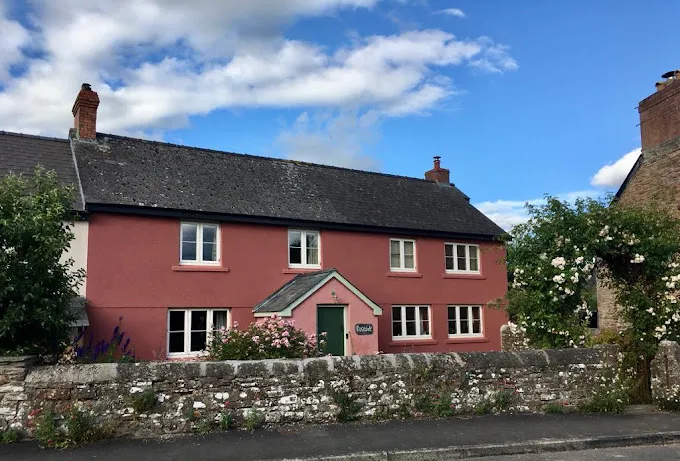
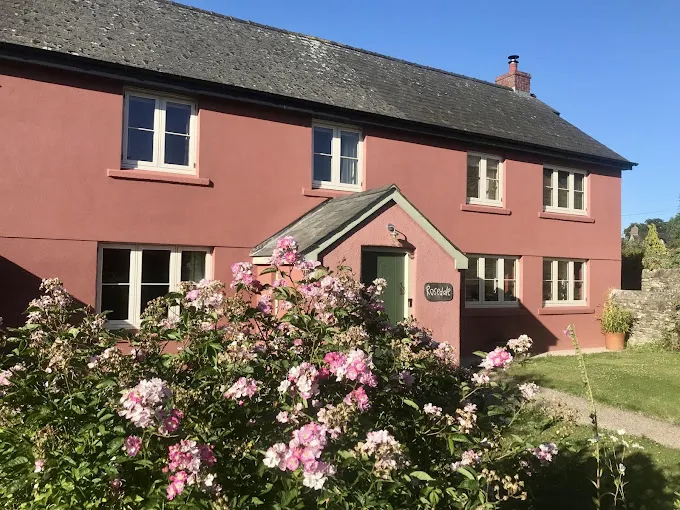
External Rendering Kidwelly: Complete Property Guide
External rendering Kidwelly protects properties from the area’s coastal rain, salt air, and wind-driven moisture – discover the right render system, application methods, and costs for your home or commercial building in Carmarthenshire.
Table of Contents
- What Is External Rendering and Why Kidwelly Properties Need It
- Render Systems Suited to Kidwelly and Carmarthenshire
- Spray Application vs Traditional Hand Rendering
- Costs, Planning Considerations, and Long-Term Value
- Frequently Asked Questions
- Comparing Render Systems for Kidwelly Properties
- Coloured Rendering South Wales
- Practical Tips for Kidwelly Property Owners
- Key Takeaways
- Sources & Citations
Article Snapshot
External rendering Kidwelly is the application of a protective and decorative coating to the outside walls of a property in or around the Kidwelly area of Carmarthenshire. The right render system shields walls from Wales’s high rainfall and coastal salt air, reduces maintenance, and improves appearance and thermal performance for decades.
External Rendering Kidwelly in Context
- During a notable flood event in Kidwelly, as many as 15 homes suffered significant external flooding, highlighting the need for water-resistant wall protection (Carmarthenshire County Council)[1]
- At the same event, 1 home was recorded as flooded internally, underscoring how render failure and water ingress escalate quickly in Kidwelly’s low-lying streets (Carmarthenshire County Council)[1]
What Is External Rendering and Why Kidwelly Properties Need It
External rendering kidwelly is the process of applying a protective mortar, silicone, or polymer coating to the outer face of a building’s walls to defend against water ingress, wind-driven rain, and the particular coastal conditions found along the Carmarthenshire coastline. Coloured Rendering South Wales has been specifying and installing render systems for properties across South Wales since 1998, and the company understands the specific challenges that Kidwelly’s estuary position and maritime climate create for building exteriors.
Kidwelly sits at the mouth of the Gwendraeth Fach river, within reach of Carmarthen Bay. Properties here face a combination of tidal moisture, salt-laden westerly winds, and some of the highest annual rainfall totals in Wales. These conditions attack unprotected or poorly maintained render far faster than in more sheltered inland locations. Brick and blockwork absorb moisture, which then freezes and expands during cold spells, causing spalling, cracks, and ultimately structural deterioration if left untreated.
The town’s housing stock is a mix of traditional stone-built terraces, Victorian bay-fronted properties, post-war rendered semis, and more recent cavity wall construction. Each building type responds differently to moisture and requires a render specification matched to both the substrate and the exposure zone. A stone-built cottage on a tidal street in Kidwelly needs a breathable render that allows moisture within the wall to escape outward, whereas a modern blockwork extension on the same street accepts a less vapour-permeable system. Getting the specification wrong leads to trapped moisture, blown render, and damp penetrating internal walls.
Call Us
Beyond weatherproofing, external rendering transforms the visual appearance of a property. Through-coloured systems eliminate the need for repeated painting cycles, while modern silicone finishes carry self-cleaning properties that keep facades looking fresh despite the inevitable algae and moss growth that accompanies Wales’s damp climate. For landlords and developers in Kidwelly and surrounding Carmarthenshire villages, a freshly rendered exterior signals a well-maintained property and supports both rental values and resale prices.
Understanding Kidwelly’s Exposure Zone
Welsh building guidance classifies coastal and estuary locations like Kidwelly within high or very high wind-driven rain exposure categories. This classification directly affects the minimum render thickness, mix specification, and the type of waterproofing additives required. Thin coat silicone systems are engineered to perform in these zones, combining flexibility with hydrophobic surface chemistry that repels water at the point of contact rather than relying on thickness alone for protection.
Render Systems Suited to Kidwelly and Carmarthenshire
Several render systems are available to Kidwelly property owners, and the most suitable choice depends on the substrate, desired finish, budget, and whether thermal improvement is also a goal. Three systems dominate the South Wales residential and light commercial market: thin coat silicone render, monocouche through colour render, and one coat cement render, each offering a different balance of performance, aesthetics, and cost.
Thin coat silicone render is the premium option for exposed coastal locations. A polymer-modified base coat reinforced with fibreglass mesh is applied to the prepared substrate, followed by a 1.5 mm to 3 mm silicone finish coat pre-coloured to the client’s specification. Silicone’s inherent flexibility means the finish coat moves with minor structural settlement without cracking, which is a significant advantage in older Kidwelly properties where Victorian foundations shift slightly over seasonal cycles. The hydrophobic chemistry repels rain on contact, while microscopic vapour permeability allows wall moisture to escape, keeping the substrate dry from both directions. Colours remain stable without repainting for fifteen years or more under normal South Wales conditions.
Monocouche through colour render provides a cement-based alternative where the colour runs through the full thickness of the coat rather than being applied as a surface paint or tint. A single application of 15-20 mm is floated or scraped back to the desired texture, exposing the aggregate and creating depth of finish that painted renders cannot replicate. Because the colour exists throughout the material, minor surface chips or scratches do not expose a different coloured substrate beneath. This system suits properties where a more traditional or textured appearance is preferred, and it performs well across the Carmarthenshire climate when correctly mixed and cured.
One coat cement render remains a cost-effective baseline option for properties where a painted finish is acceptable or preferred. A single application of cement-rich mortar provides solid weatherproofing at a lower material cost, with the flexibility to repaint in any colour at any time. Maintenance requirements are higher than silicone or monocouche systems because the painted surface must be refreshed every seven to ten years to maintain weather resistance, but the lower initial outlay makes it suitable for landlords and developers managing tight renovation budgets.
For Kidwelly properties with solid walls and poor thermal performance, EWI Specialists South Wales – expert external wall insulation installations for energy efficiency combines insulation boards mechanically fixed to the existing wall with a render finish applied over a reinforcement mesh. This system adds 60 mm to 120 mm to the external face of the building, which requires planning consideration in conservation-sensitive areas of the Kidwelly town centre, but it delivers dramatic reductions in heat loss and heating costs for solid-walled pre-1919 properties.
Substrate Preparation in Kidwelly Conditions
No render system performs to its rated specification if the substrate beneath is not correctly prepared. In Kidwelly’s damp climate, walls must be assessed for salts, existing blown render, biological growth, and structural cracks before any new coating is applied. Contaminated or hollow areas must be hacked off, salt-contaminated substrates treated with appropriate primer or tanking slurry, and cracks cut out and filled with compatible mortar before render proceeds. Skipping preparation to reduce cost is the single most common cause of early render failure in South Wales properties.
Spray Application vs Traditional Hand Rendering
Spray rendering is the most efficient method for applying external render coatings to South Wales properties, delivering consistent thickness and texture across large wall areas in a fraction of the time required by traditional hand application. Coloured Rendering South Wales uses professional spray equipment to apply both base coats and finish coats, which reduces project duration, minimises scaffolding hire costs, and decreases the physical disruption to occupants and neighbours.
In traditional hand rendering, a skilled plasterer applies and levels mortar manually with a hawk and float, working bay by bay across the wall face. The process is labour-intensive, and achieving perfectly consistent thickness across an irregular wall surface depends heavily on the individual applicator’s skill and endurance. On a standard three-bedroom semi-detached house in Kidwelly, hand application of a full render system takes three to five days per elevation, depending on surface complexity and weather conditions.
Spray application uses a pump and hose to project mixed render material onto the wall at controlled pressure, followed by float or scrape finishing to achieve the target texture. The machine maintains consistent mix ratios throughout the application, eliminating the variation in water content that hand mixing introduces. For monocouche and base coat materials, spray application cuts labour time by forty to sixty percent compared to hand application, which translates directly into lower quotes for property owners. For finish coats on a full silicone render system, the spray-applied material is then hand floated to achieve the specified texture, combining the speed of machine application with the quality of a skilled finish.
The consistency advantage of spray rendering is particularly valuable for property developers working across multiple units on a Carmarthenshire housing development. When twenty houses in a new build scheme all require the same monocouche colour and texture, spray application guarantees matching results across the entire site without the natural variation that different hand applicators introduce. This is precisely why developers across Cardiff and Newport have contracted Coloured Rendering South Wales for multi-property schemes, returning for subsequent phases because of the consistent output.
For homeowners in Kidwelly considering rendering repairs rather than a full new system, Rendering Repairs South Wales – professional repairs and maintenance for external wall renders provides targeted solutions where only damaged sections require attention. Spray equipment is used to blend repair areas into existing surfaces more smoothly than hand patching, reducing the patchwork appearance that results from colour-matched repair work over aged renders.
Working Around Welsh Weather
Render application in Kidwelly must account for the area’s frequent rain and elevated humidity. Most render manufacturers specify minimum temperature and maximum humidity conditions for application; silicone finish coats must not be applied in temperatures below 5°C or in direct rain. Professional rendering contractors monitor extended weather forecasts and schedule work in confirmed dry windows, protecting freshly applied render from premature wetting with polythene sheeting where unexpected showers arrive. This attention to curing conditions is the difference between a render that performs for twenty years and one that fails within three.
Costs, Planning Considerations, and Long-Term Value
The cost of external rendering in Kidwelly depends on the render system selected, the size and accessibility of the property, the condition of the existing substrate, and whether scaffolding is required for upper elevations. Understanding the relative cost tiers of different systems helps property owners budget effectively and compare quotations on a like-for-like basis.
One coat cement render represents the lowest initial material cost, though it carries ongoing painting maintenance expenses that add up over a decade or more. Monocouche through colour render sits at the mid-range; the higher material cost is offset by the elimination of painting cycles across the system’s twenty-five-plus year design life. Thin coat silicone render on a prepared base coat sits at the premium tier for materials and skilled labour, but its self-cleaning properties, colour stability, and flexibility make it the most cost-effective option over a thirty-year lifecycle for Kidwelly’s coastal exposure conditions. EWI systems carry the highest upfront investment but deliver measurable reductions in annual heating bills, improving EPC ratings that are increasingly important for landlords meeting regulatory requirements.
Planning permission is not required for rendering work on standard residential properties in Kidwelly, as external rendering falls under permitted development rights when the colour and finish remain broadly similar to the existing appearance. However, properties within Kidwelly’s conservation area or those that are listed buildings require careful assessment before proceeding. The UK Building Regulations Approved Documents set out requirements for work affecting building fabric, and Carmarthenshire County Council planning officers apply these standards to applications in the area. EWI installation changes wall thickness and affects the character of listed or conservation area buildings, so early pre-application consultation with Carmarthenshire planning is recommended for these properties.
For landlords across Bridgend, Newport, and Carmarthenshire, switching from painted cement render to a through-coloured or silicone system eliminates the need for external painting cycles, which cost between £800 and £2,500 per property every seven to ten years. Across a portfolio of six properties, the saving over a twenty-year period substantially exceeds the additional upfront cost of the premium render system, making the investment straightforward to justify on a purely financial basis.
How Rendering Adds Property Value in South Wales
A professionally rendered exterior improves kerb appeal, which estate agents and surveyors consistently link to faster sale times and stronger offers in the South Wales residential market. Properties with failed, cracked, or stained render attract lower valuations and put buyers off before they even view inside. A fresh, well-specified render system signals to buyers and tenants that the building envelope is sound and that running costs will be predictable, which supports asking prices across the Kidwelly, Llanelli, and wider Carmarthenshire market.
Your Most Common Questions
How long does external rendering last on a Kidwelly property?
The lifespan of external render depends heavily on the system chosen and how well it is matched to the property’s exposure conditions. In Kidwelly’s coastal environment, a correctly specified and applied thin coat silicone render system lasts fifteen to twenty-five years before requiring significant maintenance, with self-cleaning properties keeping the surface looking presentable throughout. Monocouche through colour render carries a similar design life of twenty-plus years when applied to a prepared substrate with appropriate additives for the Welsh climate. One coat cement render protected by a quality masonry paint coating needs repainting every seven to ten years but remains structurally sound for thirty or more years with that maintenance. The most important factors determining longevity are substrate preparation quality, correct material specification for the exposure zone, application in suitable weather conditions, and the skill of the applicator. A render system applied over contaminated, damp, or hollow substrate will fail prematurely regardless of the material quality.
Do I need planning permission to render my house in Kidwelly?
Most residential rendering work in Kidwelly falls under permitted development rights and does not require a formal planning application, provided the change to the building’s appearance is not substantial and the property is not listed or within a conservation area. Where a property sits within Kidwelly’s historic town centre or is a listed building, any alteration to the external appearance – including applying render to a previously unrendered surface, changing render colour significantly, or installing external wall insulation – will require either listed building consent, conservation area consent, or a full planning application to Carmarthenshire County Council. EWI systems always require careful consideration because they alter wall thickness and affect the architectural character of historic streetscapes. The safest approach for any property within or adjacent to the conservation boundary is to contact Carmarthenshire planning department for pre-application advice before commissioning any rendering work. A reputable rendering contractor will advise you on this as part of the initial consultation.
What is the best render system for a coastal property near Kidwelly?
For properties directly exposed to coastal conditions around Kidwelly, Burry Port, and Ferryside, thin coat silicone render applied over a reinforced polymer base coat is the recommended system. Silicone’s hydrophobic chemistry actively repels salt-laden rain rather than simply resisting it through density, which is important in locations where driving westerly winds push moisture into the wall face under pressure. The flexibility of silicone finish coats also resists the micro-cracking that rigid cement renders develop as they age through seasonal temperature cycles, preventing water from finding pathways into the substrate. Breathability is equally important; a fully waterproof but non-vapour-permeable render applied over a damp or salt-contaminated wall traps moisture behind the coating, causing it to blow from the inside out. Silicone systems are vapour permeable, allowing walls to dry out while remaining water-resistant at the surface. For properties requiring thermal improvement alongside weatherproofing, an EWI system with silicone render finish combines both benefits in a single installation.
How do I know if my existing render needs repairing or full replacement?
The most reliable assessment method is a physical tap test carried out by an experienced rendering specialist. A hollow sound when tapping the render surface indicates that the coating has debonded from the substrate beneath, creating voids where water collects and accelerates further failure. Small areas of hollowness surrounded by soundly bonded render are suitable for patch repair using compatible materials, but if more than thirty percent of a wall face is hollow or debonded, full removal and re-rendering is more cost-effective than attempting wholesale patching. Visible cracks running through the render coat rather than just the surface paint require investigation to determine whether they are superficial shrinkage cracks or structural movement cracks extending into the substrate. Staining, efflorescence (white salt deposits on the surface), and persistent damp patches on internal walls directly behind rendered elevations all indicate render failure that is allowing water ingress. A professional assessment from a qualified rendering contractor will identify which sections require repair and whether a full system replacement is the better long-term investment for your Kidwelly property.
Your Most Common Questions
How long does external rendering last on a Kidwelly property?
The lifespan of external render depends heavily on the system chosen and how well it is matched to the property’s exposure conditions. In Kidwelly’s coastal environment, a correctly specified and applied thin coat silicone render system lasts fifteen to twenty-five years before requiring significant maintenance, with self-cleaning properties keeping the surface looking presentable throughout. Monocouche through colour render carries a similar design life of twenty-plus years when applied to a prepared substrate with appropriate additives for the Welsh climate. One coat cement render protected by a quality masonry paint coating needs repainting every seven to ten years but remains structurally sound for thirty or more years with that maintenance. The most important factors determining longevity are substrate preparation quality, correct material specification for the exposure zone, application in suitable weather conditions, and the skill of the applicator. A render system applied over contaminated, damp, or hollow substrate will fail prematurely regardless of the material quality.
Do I need planning permission to render my house in Kidwelly?
Most residential rendering work in Kidwelly falls under permitted development rights and does not require a formal planning application, provided the change to the building’s appearance is not substantial and the property is not listed or within a conservation area. Where a property sits within Kidwelly’s historic town centre or is a listed building, any alteration to the external appearance – including applying render to a previously unrendered surface, changing render colour significantly, or installing external wall insulation – will require either listed building consent, conservation area consent, or a full planning application to Carmarthenshire County Council. EWI systems always require careful consideration because they alter wall thickness and affect the architectural character of historic streetscapes. The safest approach for any property within or adjacent to the conservation boundary is to contact Carmarthenshire planning department for pre-application advice before commissioning any rendering work. A reputable rendering contractor will advise you on this as part of the initial consultation.
What is the best render system for a coastal property near Kidwelly?
For properties directly exposed to coastal conditions around Kidwelly, Burry Port, and Ferryside, thin coat silicone render applied over a reinforced polymer base coat is the recommended system. Silicone’s hydrophobic chemistry actively repels salt-laden rain rather than simply resisting it through density, which is important in locations where driving westerly winds push moisture into the wall face under pressure. The flexibility of silicone finish coats also resists the micro-cracking that rigid cement renders develop as they age through seasonal temperature cycles, preventing water from finding pathways into the substrate. Breathability is equally important; a fully waterproof but non-vapour-permeable render applied over a damp or salt-contaminated wall traps moisture behind the coating, causing it to blow from the inside out. Silicone systems are vapour permeable, allowing walls to dry out while remaining water-resistant at the surface. For properties requiring thermal improvement alongside weatherproofing, an EWI system with silicone render finish combines both benefits in a single installation.
How do I know if my existing render needs repairing or full replacement?
The most reliable assessment method is a physical tap test carried out by an experienced rendering specialist. A hollow sound when tapping the render surface indicates that the coating has debonded from the substrate beneath, creating voids where water collects and accelerates further failure. Small areas of hollowness surrounded by soundly bonded render are suitable for patch repair using compatible materials, but if more than thirty percent of a wall face is hollow or debonded, full removal and re-rendering is more cost-effective than attempting wholesale patching. Visible cracks running through the render coat rather than just the surface paint require investigation to determine whether they are superficial shrinkage cracks or structural movement cracks extending into the substrate. Staining, efflorescence (white salt deposits on the surface), and persistent damp patches on internal walls directly behind rendered elevations all indicate render failure that is allowing water ingress. A professional assessment from a qualified rendering contractor will identify which sections require repair and whether a full system replacement is the better long-term investment for your Kidwelly property.
Comparing Render Systems for Kidwelly Properties
Choosing between available render systems involves balancing initial cost, maintenance requirements, performance in coastal exposure conditions, and the aesthetic outcome you want for your property. The table below compares the four main approaches used on residential and commercial properties across Kidwelly and the wider Carmarthenshire area.
| Render System | Typical Lifespan | Maintenance Level | Coastal Suitability | Relative Initial Cost |
|---|---|---|---|---|
| Thin Coat Silicone Render | 15-25 years | Very low – self-cleaning | Excellent | Premium |
| Monocouche Through Colour Render | 20+ years | Low – no painting required | Good | Mid-range |
| One Coat Cement Render | 30+ years (with painting) | Moderate – repaint every 7-10 years | Moderate | Lower |
| EWI with Silicone Render Finish | 25+ years | Very low | Excellent | Highest – includes insulation |
Coloured Rendering South Wales
Coloured Rendering South Wales has delivered professional plastering and external rendering services across South Wales since 1998, building over 25 years of experience with the specific substrates, exposure conditions, and property types found throughout Carmarthenshire, Swansea, and the surrounding region. The company is a certified Baumit Approved EWI Applicator with City & Guilds Assured accreditation, enabling the installation of Baumit StarTop premium silicone render and full EWI systems backed by manufacturer warranties of up to 25 years – giving property owners documented long-term protection that informal rendering work cannot provide.
For Kidwelly and Carmarthenshire property owners, the company offers the full spectrum of external rendering solutions, from targeted Rendering Repairs South Wales – professional repairs and maintenance for external wall renders on a single damaged elevation through to complete EWI installations on solid-walled pre-1919 properties. Spray rendering technology means most domestic projects complete faster than hand-applied equivalents, reducing scaffolding hire costs and minimising disruption to occupants. Every project begins with a free property assessment and detailed written quotation, so you know exactly what system is being specified, why it suits your property, and what the full cost will be before any work begins.
The company’s perfect 5.0 Google rating across numerous independent reviews reflects consistent delivery of that quality promise. Clients report directly on the workmanship, reliability, and professionalism of the team:
“With over 15 years in the building trade I have experienced several different plasterers all offering different styles and finishes. Geoff’s thin coat spray finish render would rival the best and I can’t recommend his team enough to someone thinking of using him.” – Keri Hopkins, Google Review
“We’re 100% happy and wouldn’t hesitate to recommend Jeff. His workmanship is excellent and we’re also very happy with the product he recommended to eradicate the penetrating damp and give our house a great new look and lease of life.” – Alistair Legge, Google Review
To discuss your Kidwelly rendering project and arrange a free consultation, visit the Contact Coloured Rendering South Wales for a free quote or consultation on your rendering project page, call 07815 868070, or email geoff@colouredrenderingsouthwales.com.
Practical Tips for Kidwelly Property Owners
The following guidance draws on the specific building and climate conditions found in Kidwelly and the wider Carmarthenshire coastal zone.
Inspect render annually before winter. Walk around your property each autumn and check for new cracks, hollow sections, or areas where paint is bubbling away from the render beneath. Catching small defects before the first hard frost prevents water from entering the crack, freezing, and expanding the damage significantly over winter. Early repairs are almost always cheaper than remedying the resulting blown sections in spring.
Choose vapour-permeable systems for older properties. Stone-built and solid brick properties in Kidwelly’s historic streets need render systems that breathe. Applying a fully waterproof, non-permeable coating over walls that have managed moisture through their fabric for a century traps that moisture behind the render and forces it inward instead. Always confirm the vapour permeability rating of any proposed system with your rendering contractor before agreeing to proceed.
Budget for proper surface preparation. Substrate preparation is the unglamorous part of a rendering project, but it determines everything that follows. Any quotation that does not itemise preparation – existing render removal, crack repair, priming, bonding agent application – should be questioned carefully. The lowest quote on the page is rarely the best value when it excludes the work that makes the new render last.
Consider EWI if your EPC rating is below D. Kidwelly properties with solid walls and EPC ratings of E, F, or G are candidates for external wall insulation that improves thermal performance and reduces heating bills. Landlords with rental properties below EPC rating E now face regulatory pressure to improve ratings, and EWI provides one of the most effective routes to compliance while simultaneously refreshing the building’s external appearance. Visit EWI Specialists South Wales – expert external wall insulation installations for energy efficiency for further information on available systems and potential savings.
Match your render colour to the local streetscape. In Kidwelly’s historic town centre and conservation area, colour choices that sit sympathetically within the existing palette of cream, warm white, and stone are far less likely to trigger planning concerns than bold contemporary colours. Even outside the conservation area, a colour that complements neighbouring properties adds more to kerb appeal and resale value than one that stands out adversely.
Key Takeaways
External rendering Kidwelly is a practical and financially sound investment for property owners managing the particular challenges of the Carmarthenshire coastal climate. The right render system – correctly specified for the substrate, exposure zone, and property type – protects walls from water ingress, eliminates or greatly reduces painting maintenance, and improves kerb appeal and property value. Thin coat silicone render delivers the strongest performance in Kidwelly’s exposed estuary environment, while monocouche systems offer an attractive mid-range option and EWI adds thermal benefits for solid-walled properties.
Coloured Rendering South Wales combines over 25 years of South Wales experience with professional spray application technology and Baumit Approved EWI Applicator certification to deliver renders that are built to last in Welsh weather conditions. To arrange a free property assessment and written quotation for your Kidwelly rendering project, call 07815 868070 or email geoff@colouredrenderingsouthwales.com today.
Sources & Citations
- Kidwelly Flood Investigation Report. Carmarthenshire County Council.
https://www.carmarthenshire.gov.wales/media/1230500/s19-report-for-kidwelly.pdf - UK Building Regulations – Approved Documents. GOV.UK.
https://www.gov.uk/guidance/approved-documents