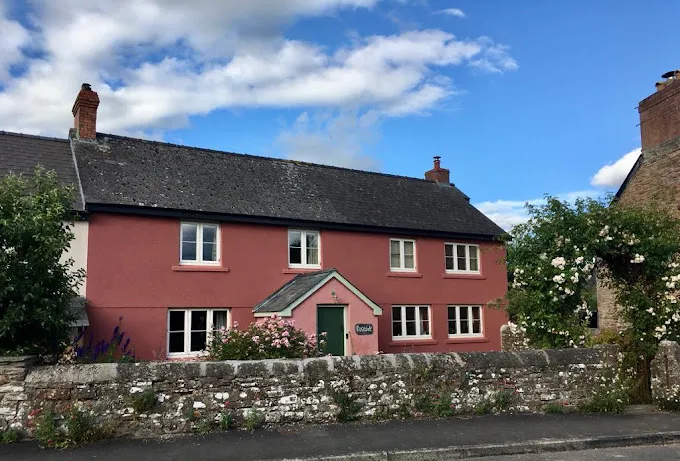
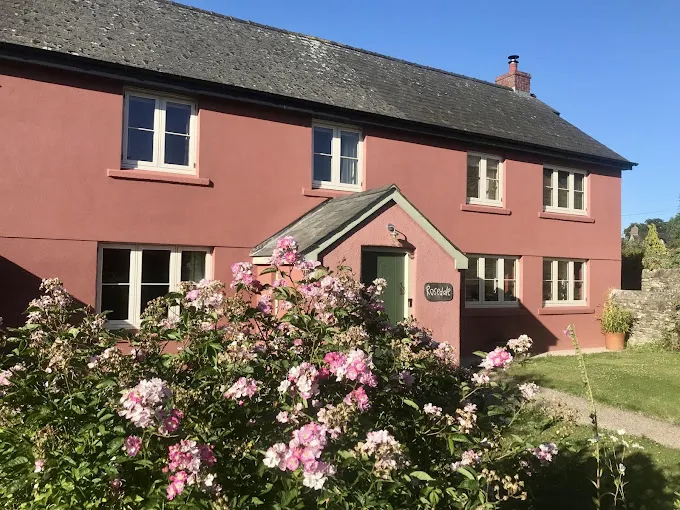
Expert External Rendering Llanelli Guide
External rendering Llanelli services protect and transform properties against Wales’s coastal weather – discover render types, costs, energy savings, and how to choose the right specialist.
Table of Contents
- What Is External Rendering and Why Llanelli Properties Need It
- Render Types Suited to Llanelli Properties
- External Rendering and Energy Efficiency in Llanelli
- Choosing an External Rendering Specialist in Llanelli
- Frequently Asked Questions
- Render System Comparison
- Coloured Rendering South Wales
- Practical Tips for Your Rendering Project
- Key Takeaways
- Sources & Citations
Article Snapshot
External rendering Llanelli is the application of a protective and decorative coating to the outer walls of a property. It shields brickwork from wind-driven rain and salt air, reduces heat loss, and dramatically improves kerb appeal – making it one of the most cost-effective upgrades for homes and commercial buildings in the Carmarthenshire area.
External Rendering Llanelli in Context
- Gas-heated detached properties fitted with external insulation and render save up to £455 per year on fuel bills (Energy Saving Trust, 2025)[1]
- External insulation and render reduces carbon dioxide emissions by an average of 1,900 kg per year per detached property (Energy Saving Trust, 2025)[2]
- Solid walls lose twice as much heat as cavity walls, making external rendering particularly valuable for pre-1919 Llanelli homes (Energy Saving Trust, 2025)[3]
- An estimated 35% of older properties have solid walls that benefit most from external insulation rendering systems (Energy Saving Trust, 2025)[4]
What Is External Rendering and Why Llanelli Properties Need It
External rendering Llanelli is the process of applying a protective coating – whether cement, silicone, acrylic, or monocouche – to the outer walls of a building to defend against water ingress, improve thermal performance, and refresh appearance. Coloured Rendering South Wales has delivered this service across the region for over 25 years, with specialist knowledge of the conditions that make rendering here distinctly different from inland locations.
Llanelli sits on the Burry Inlet, which means properties face persistent westerly and south-westerly winds carrying salt-laden moisture off the Gower coast and the Loughor estuary. That combination of high annual rainfall, coastal salt air, and wind-driven rain accelerates the deterioration of unprotected masonry far more quickly than in sheltered inland towns. Brickwork absorbs moisture, mortar joints erode, and damp penetration becomes a recurring problem if walls are left exposed or finished only with aging paint.
Many Llanelli properties were built before 1919 and have solid wall construction rather than the cavity walls that became standard in later decades. According to the Energy Saving Trust (2025), solid walls lose twice as much heat as cavity walls (Energy Saving Trust, 2025)[3], which means residents of older Llanelli terraces and semi-detached homes face consistently higher heating bills compared to neighbours in post-war properties. External rendering, particularly when combined with insulation, addresses both the moisture protection and heat loss problems in a single operation.
Call Us
For new build properties and recent renovations, external render delivers a clean, contemporary aesthetic that increases market value and reduces long-term maintenance costs. A well-specified silicone or monocouche render applied by an experienced contractor will last two to three decades with minimal upkeep – compared with external masonry paint, which requires recoating every five to eight years. The initial investment in quality rendering pays back through reduced maintenance expenditure and, where insulation is incorporated, through measurable reductions in energy costs.
Residential homeowners in Llanelli, landlords managing portfolios across Carmarthenshire, and property developers working on housing schemes throughout the area all benefit from understanding their render options before commissioning work. The sections below cover the main render systems available, their suitability for local conditions, and the practical considerations that determine which system is right for each property type.
Render Types Suited to Llanelli Properties
Selecting the correct render system for a Llanelli property depends on the substrate, the property’s exposure rating, the desired aesthetic, and the budget available – and each of the main systems has distinct advantages in these conditions.
Thin Coat Silicone Render
Thin coat silicone render is the premium choice for exposed coastal and estuary-facing properties. The silicone polymer binder gives the finished coat exceptional flexibility, which allows it to accommodate minor structural movement without cracking – a significant advantage for older solid-wall properties where slight settlement is common. Silicone renders are simultaneously waterproof and vapour-permeable, meaning they prevent rainwater from entering the wall while still allowing moisture trapped within the masonry to escape as vapour. This breathability is important in Llanelli’s damp climate because trapping moisture behind an impermeable render leads to freeze-thaw damage and spalling.
Self-cleaning properties are a further practical benefit in a coastal environment. Silicone renders carry a hydrophobic surface charge that causes rainwater to sheet off rather than soak in, carrying dirt and algae spores with it. Properties near the Loughor estuary or in areas prone to salt spray stay cleaner for longer with silicone finishes than with acrylic or cement alternatives. Colour stability is also superior: UV-resistant pigments ensure the finish retains its original tone for many years without the chalking or fading associated with painted surfaces.
The Baumit guide to facade renders and paints confirms that silicone-based systems represent the highest performance tier for external wall protection, particularly in high-exposure zones. Coloured Rendering South Wales is a Baumit Approved EWI Applicator with City & Guilds Assured accreditation, certified to install Baumit StarTop premium silicone render with manufacturer-backed warranties of up to 25 years.
Monocouche Through Colour Render
Monocouche render is a single-coat, cement-based system in which colour is distributed uniformly throughout the mix. Because the colour runs through the full depth of the coat rather than sitting on the surface as a paint layer, minor surface scuffs and weathering do not expose a differently coloured substrate beneath. This makes it cost-effective for Llanelli landlords and developers who need a durable, maintenance-free finish across multiple properties without committing to the higher material cost of silicone systems.
Monocouche is available in a range of textures – from fine scraped finishes that suit contemporary housing developments to rougher-cast finishes more sympathetic to traditional Welsh vernacular architecture. It is compatible with brick, block, and concrete substrates, and is spray-applied for consistent coverage across large wall areas. On a 20-home development in Cardiff, the spray application of monocouche reduced installation time per unit from four to five days down to two days compared to hand application – a time saving that translates directly to reduced labour costs on Llanelli developments of comparable scale.
One Coat Cement Render
One coat cement render is a practical and cost-effective option for properties where the owner intends to paint the external finish or where the budget does not accommodate silicone or monocouche systems. The spray-applied single coat achieves consistent thickness across uneven substrates, and once cured and primed, accepts standard masonry paint in any chosen colour. It suits properties undergoing phased renovation, where a durable base coat is applied now and a decorative finish is added later. Proper substrate preparation and priming are important for adhesion, particularly on previously painted or contaminated surfaces.
External Rendering and Energy Efficiency in Llanelli
External rendering combined with wall insulation delivers measurable energy savings for Llanelli homeowners, and the data from independent research makes a compelling financial case for the investment.
The Energy Saving Trust (2025) reports that “the average fuel bill savings for a gas heated, detached property with external insulation and render is a massive £455 per year” (Energy Saving Trust, 2025)[1]. For a semi-detached or terraced property – the dominant housing types in Llanelli’s older residential streets – savings will be proportionally lower but remain significant over the lifetime of the system. The same research notes that “carbon dioxide savings from external insulation and render are, on average, 1,900kg per year” (Energy Saving Trust, 2025)[2], making External Wall Insulation (EWI) with rendered finish one of the highest-impact single retrofit measures available to South Wales homeowners.
Approximately 35% of older properties have solid walls (Energy Saving Trust, 2025)[4], and Llanelli’s pre-1919 housing stock represents a significant proportion of this category. These properties were built before cavity wall construction became standard, and they cannot benefit from the cavity fill insulation that is available to post-1930s homes. External wall insulation – where high-performance insulation boards are mechanically fixed to the wall before a render finish is applied over a reinforcement mesh – is the primary retrofit option for solid wall properties, and it transforms both the thermal performance and the visual appearance of the building in a single project.
The practical process involves fixing mineral wool or EPS insulation boards to the prepared wall surface, applying a base coat reinforced with alkali-resistant glass fibre mesh for impact resistance, and then applying the chosen render finish by spray. Details around windows, doors, eaves, and other junctions require careful execution to prevent cold bridges and water entry points – areas where the experience of the installing contractor makes a significant difference to long-term performance.
For Llanelli landlords, the energy efficiency argument carries additional regulatory weight. Minimum energy efficiency standards for rental properties in Wales require landlords to improve their properties to meet EPC requirements, and solid wall homes with no insulation often fall well below those thresholds. An EWI system with rendered finish moves a property from a low EPC rating to a C or above in a single operation, helping landlords meet current requirements and future-proofing against tightening standards. The UK Building Regulations Approved Documents provide the statutory framework within which EWI installations must be designed and executed.
Choosing an External Rendering Specialist in Llanelli
Selecting a qualified rendering contractor is the single most important decision in any external rendering project, because even the highest-quality render system will fail prematurely if it is incorrectly specified or poorly applied.
Qualifications and Accreditations
For EWI projects, verify that the contractor holds manufacturer-specific accreditation. Baumit Approved EWI Applicator status, for example, involves formal training, assessment, and City & Guilds Assured accreditation – and it is a prerequisite for accessing manufacturer-backed warranties of 10 to 25 years on the installed system. Contractors without formal accreditation install physically similar-looking systems, but the absence of manufacturer sign-off means the property owner has no independent guarantee of performance. Always ask to see accreditation certificates and check their validity directly with the manufacturer.
Local Experience and Portfolio
A contractor with a substantial track record in the Llanelli and Carmarthenshire area has direct experience of the local building stock, the exposure conditions specific to estuary and coastal-facing elevations, and the substrate challenges common to Welsh masonry construction. Ask for examples of completed projects on comparable property types – terraced pre-1919 homes, seafront properties, or commercial buildings – and verify references where possible. Online reviews on Google provide independently verified evidence of consistent quality across multiple projects and clients.
Specification and Quotation Detail
A professional rendering contractor should provide a written specification identifying the system to be used, the preparation required, the application method, the thickness of each layer, and the warranty applicable. Vague quotations that simply describe “rendering” without specifying the system or manufacturer are a warning sign. The specification should also address how junctions, reveals, and penetrations will be treated, as these are the areas where water ingress most commonly occurs in failed render installations.
Spray application technology is worth specifically requesting for larger projects. Professional spray equipment delivers consistent coat thickness across the full wall area, reduces application time significantly compared to hand application, and eliminates the variation in finish that occurs with trowel application on complex elevations. The faster programme reduces scaffolding hire costs and minimises disruption to occupants – a practical benefit that matters to homeowners, tenants, and business operators alike.
Your Most Common Questions
How long does external rendering last on a Llanelli property?
The lifespan of external render depends primarily on the system chosen and the quality of installation. Thin coat silicone render applied correctly to a properly prepared substrate performs for 20 to 30 years without requiring significant maintenance. Monocouche through colour render has a comparable service life of 20 to 25 years under normal UK weather conditions. One coat cement render, when painted, requires the paint layer to be refreshed every five to eight years, though the render substrate itself lasts considerably longer if it remains crack-free and well adhered.
Llanelli’s coastal and estuary-facing exposure accelerates weathering on all render types compared to sheltered inland locations, which is one reason why choosing a silicone or high-quality monocouche system – rather than the lowest-cost option – is cost-effective over a ten-year-plus horizon. Salt air attacks poorly specified cement renders, algae colonises surfaces that lack hydrophobic treatments, and wind-driven rain finds any weaknesses in thin or poorly applied coats.
Manufacturer-backed warranties provide the most reliable benchmark for expected performance. Baumit StarTop silicone render installed by an approved applicator carries a warranty of up to 25 years, which gives property owners documented assurance of performance that informal or budget rendering work cannot match.
What preparation is needed before applying external render in Llanelli?
Thorough substrate preparation is the foundation of any successful external rendering project and is often where corners are cut by less experienced contractors. The existing wall surface must be structurally sound, free from loose material, organic growth, and contamination. Any hollow render, loose mortar, or crumbling masonry must be removed and repaired before new render is applied, as new coatings cannot stabilise an unstable substrate beneath them.
Pre-1919 Llanelli properties with original masonry have lime-based mortars that require careful assessment – applying a rigid cement render over a flexible lime substrate without appropriate detailing creates differential movement stresses that lead to cracking. In these situations, a lime-compatible render system or a flexible silicone render is more appropriate than a standard cement product.
On properties receiving EWI, the wall surface is cleaned, any protruding fixings or services are addressed, and the insulation boards are fixed using both adhesive and mechanical fixings to appropriate load-bearing capacity. Window and door reveals must be carefully detailed, and a starter track is installed at the base to provide a straight, termite-protected edge. Where the existing wall has signs of damp, the source must be identified and rectified before insulation is applied, as trapping active damp behind an insulation system leads to condensation and interstitial moisture problems.
Is planning permission required for external rendering in Llanelli?
In most cases, applying or replacing external render to a house in Llanelli falls within permitted development rights and does not require planning permission, provided the property is not listed and is not within a designated conservation area. There are important exceptions that property owners must check before proceeding.
Listed buildings require listed building consent for any external alterations, including rendering, regardless of whether planning permission would otherwise be needed. Conservation areas in Carmarthenshire have Article 4 Directions that remove permitted development rights for external cladding or rendering changes, particularly on the principal elevation visible from a highway. If your property is in Llanelli town centre or an area with local character designations, check with Carmarthenshire County Council’s planning department before starting work.
EWI systems that increase the external dimensions of a wall by more than a certain threshold are subject to review in specific circumstances, particularly on terraced properties where the extended wall affects the boundary or encroaches on neighbouring land. A professional rendering contractor familiar with the local planning context will advise on whether a pre-application enquiry to the local authority is recommended before works begin.
How much does external rendering cost in Llanelli?
Rendering costs in Llanelli vary based on the system selected, the size and condition of the property, the complexity of the elevation, and the extent of preparation required. As a general guide, thin coat silicone render commands the highest material cost but the lowest long-term maintenance expenditure. Monocouche render sits in the mid-range. One coat cement render is the most affordable option for straightforward elevations where a painted finish is acceptable.
EWI systems carry higher costs than render-only applications because they include the insulation boards, fixings, reinforcement mesh, and base coat in addition to the finish render – but the energy savings documented by the Energy Saving Trust (2025) of up to £455 per year for a detached gas-heated property[1] mean that the additional investment recoup period is often under ten years for solid wall properties with poor thermal performance.
For an accurate cost, request a written quotation from a qualified specialist who has inspected the property in person. Reliable contractors will not provide firm prices without a site visit, as wall condition, access requirements, scaffold complexity, and substrate treatment needs all affect the final figure significantly. Comparing like-for-like quotations – specifying the same render system, preparation scope, and warranty – ensures you are evaluating contractors on equivalent terms.
Render System Comparison for Llanelli Properties
Choosing between render systems is easier when the key performance factors are laid out side by side. The table below compares the four main approaches used on Llanelli properties across the criteria that matter most to homeowners, landlords, and developers in a coastal Welsh climate.
| Render System | Weather Resistance | Maintenance Requirement | Colour Permanence | Best For |
|---|---|---|---|---|
| Thin Coat Silicone Render | Excellent – hydrophobic, breathable, salt-resistant | Very low – self-cleaning surface | High – UV-stable pigments, no repainting needed | Coastal/exposed properties, EWI finish coats, long-term low maintenance |
| Monocouche Through Colour Render | Good – weather-resistant cement base with water-repelling additives | Low – no painting required | Good – through-colour resists surface wear | Residential developments, traditional finishes, landlord portfolios |
| One Coat Cement Render | Moderate – paint layer must be maintained | Medium – repaint every 5-8 years | Dependent on paint quality and frequency of recoating | Budget renovations, properties where colour flexibility is needed |
| EWI with Silicone Render Finish | Excellent – full weather barrier plus thermal layer | Very low – combined insulation and decorative finish | High – silicone finish coat, up to 25-year warranty (Coloured Rendering South Wales, 2025)[5] | Solid wall pre-1919 properties, EPC improvement, maximum energy saving |
Coloured Rendering South Wales
Coloured Rendering South Wales has been delivering external rendering and plastering services across South Wales since 1998. Based in Swansea, the company serves Llanelli, Carmarthenshire, and the wider region, bringing over 25 years of direct experience with Welsh coastal building conditions to every project. As a Baumit Approved EWI Applicator with City & Guilds Assured accreditation, we install Baumit StarTop premium silicone render and complete EWI systems backed by manufacturer warranties of up to 25 years – providing clients with documented long-term protection that informal or uncertified rendering work cannot offer.
Our services cover the full range of external rendering requirements: EWI systems for solid wall properties seeking energy efficiency improvements, thin coat silicone render for maximum weather protection, monocouche through colour render for development projects, one coat cement render for budget-conscious renovations, and rendering repairs across South Wales for existing coatings showing signs of deterioration. We also provide comprehensive internal plastering services for residential and commercial clients throughout the region.
Our spray rendering technology enables application two to three times faster than traditional hand methods, reducing scaffold hire periods and minimising disruption to your home or business. The perfect 5.0 Google rating we maintain across numerous verified reviews reflects what clients consistently experience on site.
“With over 15 years in the building trade I have experienced several different plasterers all offering different styles and finishes. Geoff’s thin coat spray finish render would rival the best and I can’t recommend his team enough to someone thinking of using him.” – Keri Hopkins, Google Review
“We’re 100% happy and wouldn’t hesitate to recommend Jeff. His workmanship is excellent and we’re also very happy with the product he recommended to eradicate the penetrating damp and give our house a great new look and lease of life.” – Alistair Legge, Google Review
To discuss your Llanelli rendering project, contact Coloured Rendering South Wales for a free quote or consultation, call us on 07815 868070, or email geoff@colouredrenderingsouthwales.com.
Practical Tips for Your External Rendering Project
Planning your external rendering project carefully before work begins will save time, money, and frustration. The following guidance reflects common issues encountered on Llanelli properties and is based on practical experience of Welsh coastal building conditions.
Address damp before rendering. If your property has any signs of penetrating damp, rising damp, or failed flashings, these must be resolved before new render is applied. Rendering over active damp traps moisture within the wall structure, which accelerates render failure and causes internal damage. A thorough survey by your contractor before work starts should identify any moisture issues requiring pre-treatment.
Check your property’s construction date. Properties built before 1919 in Llanelli are very likely to have solid wall construction and will benefit most from an EWI system rather than render alone. Properties built between 1919 and the 1980s are likely to have cavity walls and are well suited to thin coat silicone or monocouche render without insulation, unless a cavity fill has already been installed.
Obtain at least two written quotations. Ensure each quotation specifies the render system by manufacturer and product name, the thickness to be applied, the preparation scope, the warranty offered, and the application method. This level of detail allows genuine like-for-like comparison and protects you if disputes arise during or after the project.
Time your project for appropriate weather conditions. Render should not be applied in freezing temperatures or during heavy rain, as both affect curing and adhesion. In Llanelli’s Atlantic climate, spring and early autumn offer the most reliable windows of suitable weather, though experienced contractors plan scheduling around forecasts throughout the year.
Ask about spray application for efficiency. If your property has large wall areas or complex elevations, confirm that your contractor uses professional spray equipment. Coloured rendering applied by spray provides more consistent coverage than trowel application and significantly reduces project duration on larger properties.
Verify accreditation independently. For EWI projects particularly, contact the named manufacturer to confirm that the contractor’s approved applicator status is current before signing any agreement.
Key Takeaways
External rendering Llanelli is a high-value investment for residential and commercial property owners facing the region’s coastal exposure, high rainfall, and ageing pre-1919 solid wall housing stock. The right render system – whether thin coat silicone, monocouche, or a full EWI installation – protects your property, reduces energy costs, eliminates regular repainting, and adds lasting value. Savings of up to £455 per year on fuel bills and 1,900 kg of CO2 annually make EWI with rendered finish one of the most financially and environmentally effective retrofits available in South Wales (Energy Saving Trust, 2025)[1].
Coloured Rendering South Wales has the accreditation, local expertise, and verified track record to deliver these results on your Llanelli property. Call us on 07815 868070, email geoff@colouredrenderingsouthwales.com, or visit our home page to request your free consultation and quotation today.
Sources & Citations
- Annual fuel bill savings for a gas-heated detached property with external insulation and render. Energy Saving Trust, 2025. Rendering in Llanelli – Dyfed Rendering.
https://www.dyfedrendering.co.uk/rendering-in-llanelli/ - Annual CO2 reduction from external insulation and render. Energy Saving Trust, 2025. Expert Rendering Services Llanelli – Coloured Rendering South Wales.
https://colouredrenderingsouthwales.com/rendering-services-llanelli/ - Solid walls lose twice as much heat as cavity walls. Energy Saving Trust, 2025. Expert Rendering Services Llanelli – Coloured Rendering South Wales.
https://colouredrenderingsouthwales.com/rendering-services-llanelli/ - 35% of older properties have solid walls benefiting from external insulation systems. Energy Saving Trust, 2025. Wall Insulation Llanelli Guide – Coloured Rendering South Wales.
https://www.colouredrenderingsouthwales.com/wall-insulation-llanelli/ - EWI system with silicone render finish warranty information. Coloured Rendering South Wales, 2025.
https://www.colouredrenderingsouthwales.com/ewi-specialists-south-wales