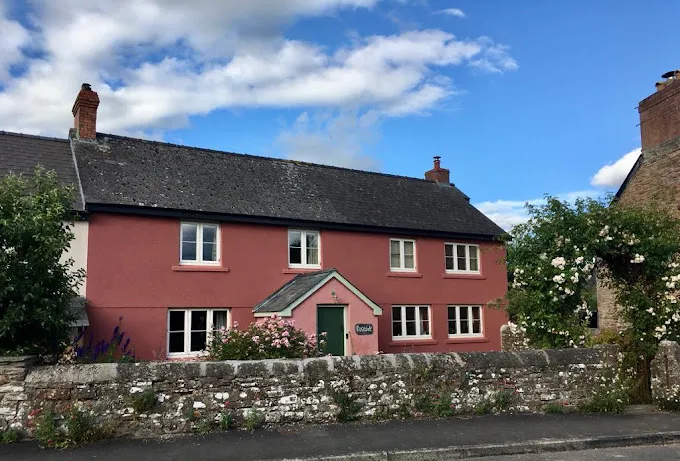
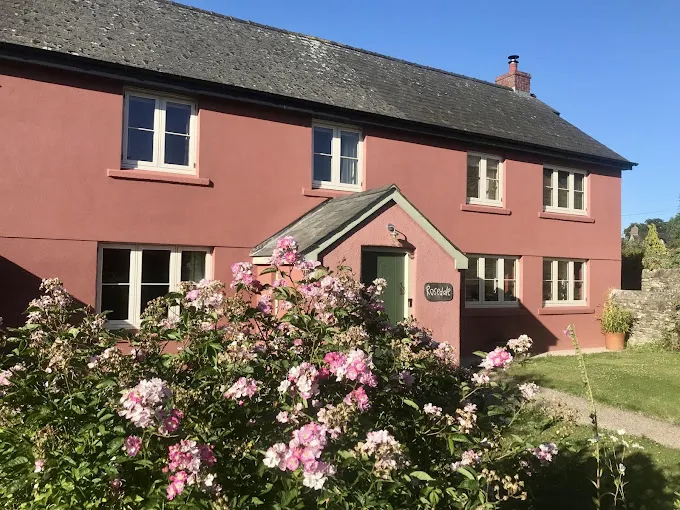
Expert External Rendering Neath: Complete Guide
External rendering Neath homeowners and property developers need must withstand coastal rain, wind, and salt air – this guide covers render types, costs, and how to choose the right specialist for lasting results.
Table of Contents
- What Is External Rendering and Why Neath Properties Need It
- Render Types Suited to Neath and South Wales Conditions
- External Rendering Costs and Energy Savings
- Choosing the Right External Rendering Specialist in Neath
- Frequently Asked Questions
- Render System Comparison
- Coloured Rendering South Wales
- Practical Tips for Your Rendering Project
- Key Takeaways
- Sources & Citations
Article Snapshot
External rendering Neath is the application of a protective and decorative coating to the outer walls of a property, shielding the structure from Wales’s wet climate while improving appearance. Modern systems including silicone render, monocouche, and EWI offer durable, low-maintenance finishes suited to Neath’s varied building stock.
External rendering Neath in Context
- A gas-heated detached home with external insulation and render saves an average of £455 per year on fuel bills (Energy Saving Trust, 2026)[1]
- External insulation render cuts energy bills by up to 40% (GreenMatch, 2026)[2]
- Rendering a semi-detached home of 97 m² costs around £4,250 in the UK, or approximately £43.81 per m² (GreenMatch, 2026)[2]
- Carbon dioxide savings average 1,900 kg per year from external insulation and render on a detached property (Energy Saving Trust, 2026)[1]
What Is External Rendering and Why Neath Properties Need It
External rendering Neath is the process of applying a protective coating – cement, silicone, acrylic, or monocouche – directly onto the outside walls of a building to seal the substrate, prevent water ingress, and give the property a clean, finished appearance. Coloured Rendering South Wales has been delivering this service across the Neath Valley and wider South Wales region since 1998, specifying render systems matched to local weather conditions and building types.
Neath sits in a valley environment where rainfall is substantially above the UK average, prevailing westerly winds drive moisture hard against exposed elevations, and temperatures cycle frequently through freeze-thaw conditions in winter. These factors accelerate the deterioration of bare masonry and older cement renders alike. Cracks form, water penetrates, and internal dampness follows – a pattern familiar to many homeowners across Neath Port Talbot.
As the Coloured Rendering South Wales Experts note, “Professional external rendering provides weather protection as the primary benefit, creating effective barriers against rain, wind, and temperature fluctuations” (Coloured Rendering South Wales Experts, 2026)[3]. Beyond basic protection, a well-specified render system adds meaningful kerb appeal, which matters particularly for the Victorian and Edwardian terraces common in Neath town and the surrounding villages of Briton Ferry, Skewen, and Resolven.
Call Us
A new render also addresses a practical concern for landlords and property developers: maintenance costs. Through-coloured systems such as monocouche eliminate the need for periodic repainting, while silicone renders carry self-cleaning properties that keep façades looking presentable with minimal intervention. For properties where EPC ratings affect rental compliance or market value, combining render with external wall insulation delivers thermal improvements alongside weather protection – a dual benefit that is increasingly relevant under evolving UK energy efficiency regulations.
Render Types Suited to Neath and South Wales Conditions
Selecting the correct render system for a Neath property depends on the substrate, the building’s exposure rating, the desired finish, and the long-term maintenance budget – no single product suits every situation.
Thin Coat Silicone Render
Thin coat silicone render is the most widely specified external finish for residential properties across South Wales because its polymer chemistry handles the region’s high rainfall and coastal salt air better than traditional cement alternatives. The silicone formulation is both waterproof and vapour-permeable, meaning it resists driving rain while allowing moisture trapped within masonry to escape. This breathability is important for older solid-wall properties in Neath, where blocking moisture movement leads to interstitial condensation and accelerated wall deterioration.
Silicone renders are pre-coloured in the factory and require no painting after application. The pigments are UV-stable, so the colour selected on day one remains accurate decades later without fading. Self-cleaning additives cause rainwater to sheet off the surface rather than carrying dirt into the texture, keeping the finish looking clean throughout the Welsh wet season. The spray application method used by specialist contractors ensures consistent layer thickness across the entire elevation – a quality standard difficult to replicate by hand on large or complex surfaces.
Cost per m² for silicone render sits at around £50 (GreenMatch, 2026)[2], reflecting the material quality and the preparation required to achieve adhesion on varied substrates.
Monocouche Through Colour Render
Monocouche render combines basecoat and finish in a single cement-based application, coloured throughout its entire thickness. For Neath properties where a textured, traditional appearance is preferred – particularly on stone-built and brick terraces – monocouche provides a durable, paint-free finish that meets British Standards for external rendering systems. The coloured rendering solutions available in this system include scratched, roughcast, and fine textures to complement both period and contemporary architecture.
One Coat Cement Render
One coat cement render remains a cost-effective option where budget is the primary driver and a painted finish is acceptable. Cement per m² starts from around £10 (GreenMatch, 2026)[2], making it the most accessible entry point for rendering projects. Modern spray application of one coat cement achieves consistent coverage and thickness, with the finished surface ready to accept exterior masonry paint in any colour once cured. This system suits outbuildings, commercial units, and properties where the owner plans to repaint as part of a routine maintenance schedule.
External Wall Insulation with Render Finish
EWI systems bond high-performance insulation boards to the wall before applying a reinforced render finish coat. This approach transforms the thermal performance of properties with solid walls – common in the pre-1930s housing stock throughout Neath, Pontardawe, and the surrounding valleys. The render finish, typically silicone or acrylic, provides the same weather protection and aesthetic benefits as a standalone render system, while the insulation layer beneath delivers the energy savings described in the following section.
External Rendering Costs and Energy Savings
Understanding the full cost picture of external rendering in Neath – including both the upfront investment and the potential long-term savings – helps property owners make decisions that stand up financially as well as practically.
Typical Rendering Costs in the UK
For a semi-detached home with a surface area of 97 m², the average cost of external rendering in the UK is approximately £4,250, or £43.81 per m² (GreenMatch, 2026)[2]. The cost of a full external insulation render system averages around £5,000 for a typical property (GreenMatch, 2026)[2]. Patch repairs to address localised cracking or hollow areas add £100 to £400 depending on the extent of damage (GreenMatch, 2026)[2].
These figures vary according to render type, access requirements, substrate preparation, and contractor location. Properties in Neath with complex elevations – bay windows, stone reveals, decorative cornices – require more preparation time and skilled labour, which influences the final price. Requesting a detailed quotation from an experienced local contractor, rather than relying on national average calculators, gives the most accurate project cost.
Energy Bill Savings from EWI and Render
Where external rendering is combined with wall insulation, the energy savings are substantial. The Energy Saving Trust states that “The average fuel bill savings for a gas heated, detached property with external insulation and render is a massive £455 per year” (Energy Saving Trust, 2026)[1]. On a semi-detached property the savings are proportionally lower but still meaningful, often recovering the installation cost within a decade when combined with improved EPC rating and reduced maintenance expenditure.
Carbon benefits are equally significant. “Carbon dioxide savings are, on average, 1,900 kg per year from external insulation and render,” according to the Energy Saving Trust (Energy Saving Trust, 2026)[1] – equivalent to removing a small car from the road entirely. For landlords in Neath Port Talbot working towards minimum EPC thresholds under UK regulations, these figures illustrate why EWI-render projects are attracting growing interest across the region.
The GreenMatch Research Team adds further context: “External insulation render can significantly lower your energy bills, with potential savings of up to 40%” (GreenMatch Research Team, 2026)[2]. For a Neath household currently spending £1,500 annually on heating, that represents a saving of up to £600 per year – a figure that compresses the payback period considerably for EWI installations across South Wales.
Choosing the Right External Rendering Specialist in Neath
The quality of an external rendering installation depends as much on the contractor’s preparation, specification knowledge, and site discipline as it does on the product used – selecting the right company is the most consequential decision in any rendering project.
Accreditation and Certification
For EWI-render systems, look for contractors holding manufacturer approval. Baumit Approved EWI Applicator status with City and Guilds Assured accreditation is an independently verified credential that allows the contractor to install full EWI systems with manufacturer-backed warranties of up to 25 years. This documentation provides property owners with a warranty chain that informal or uncertified rendering work cannot offer, and it matters particularly for properties where EWI forms part of a funded energy efficiency scheme.
For standalone render applications, ask prospective contractors about their experience with the specific render system they are proposing. A contractor who has applied the same product across dozens of South Wales properties understands how it behaves on local substrates and in the region’s weather conditions – knowledge that does not appear on a product data sheet.
Local Experience and Track Record
South Wales architecture varies considerably between the valley terraces of Neath, the coastal properties of Port Talbot, and the rural farmhouses further north in the Neath Valley. A contractor with genuine local experience recognises the substrate differences between blue engineering brick, rendered blockwork, and stone rubble construction, and adjusts specification and preparation accordingly. National pricing guides and generic product recommendations do not account for this variation.
Verified reviews from named clients in recognisable local areas – Neath, Briton Ferry, Skewen, Pontardawe – provide meaningful evidence of a contractor’s track record in conditions relevant to your property. A high volume of independently verified reviews across a long trading history is a stronger signal of consistent quality than a handful of unverifiable testimonials.
Application Method and Project Duration
Spray rendering technology applies material two to three times faster than hand application, reducing scaffolding hire periods and the disruption to occupants. For property developers managing multiple units in Neath or for commercial clients where building downtime carries a direct cost, spray application determines project viability. Confirm whether the contractor uses professional spray equipment and whether the quoted price reflects spray or hand application, as the two methods carry different time and labour costs. The National Building Specification provides technical guidance on external rendering standards that reputable contractors will be familiar with.
Your Most Common Questions
How long does external rendering last on a property in Neath?
The lifespan of external rendering depends on the system specified and the quality of the installation. Thin coat silicone render applied correctly to a properly prepared substrate performs for 20 to 30 years with minimal maintenance, making it one of the most durable options for South Wales’s wet climate. Monocouche through colour render offers comparable longevity when applied in accordance with manufacturer specifications. Traditional cement renders have a shorter expected life – often 15 to 20 years before cracking or hollow patches develop – particularly on properties in exposed positions around Neath where freeze-thaw cycling accelerates deterioration. EWI systems with render finishes carry manufacturer-backed warranties of 10 to 25 years when installed by approved applicators. In all cases, the preparation of the substrate before application is the single most important factor: poorly prepared or damp walls cause premature failure regardless of the render system used. Annual visual inspections of rendered surfaces allow early identification of minor cracks before they allow water ingress and develop into more costly repairs.
What is the best render for a coastal or valley property in South Wales?
For properties facing the high rainfall and wind-driven moisture conditions of Neath and the surrounding valleys, thin coat silicone render is the most widely recommended system. Its silicone chemistry provides a waterproof outer surface that simultaneously allows water vapour to escape from the wall structure – a combination that prevents moisture build-up within the masonry while protecting against external rain penetration. The self-cleaning properties of silicone render counteract the green algae and dirt staining common on north and west-facing elevations in the Welsh valleys. For coastal properties closer to Port Talbot and Swansea Bay, where salt air is a significant additional factor, silicone render’s resistance to chemical degradation gives it a further advantage over cement-based systems. Monocouche render is a strong alternative where a textured, traditional aesthetic is required, and modern formulations include water-repelling additives that give reasonable coastal performance. Cement render without waterproofing additives is not recommended for exposed coastal or valley positions without a high-quality masonry paint system applied and maintained regularly.
Do I need planning permission for external rendering in Neath?
In most cases, applying external render to a residential property in Neath falls within permitted development rights and does not require planning permission, provided the work does not materially alter the appearance of the building in ways that conflict with local conservation area guidelines. However, there are important exceptions. Properties within designated conservation areas – parts of Neath town centre and some surrounding villages carry this designation – require consent before altering the external appearance, including render colour or texture changes. Listed buildings always require listed building consent for external rendering work, and any application must show that the proposed system is compatible with the historic fabric of the building. EWI systems add thickness to external walls, which affects window and door reveals and requires building regulations approval as well as planning consent in some circumstances. The safest approach is to confirm with Neath Port Talbot County Borough Council’s planning department before commencing any rendering work on a property where conservation area or listed status applies. Your rendering contractor should be able to advise based on experience with local projects.
How do I know if my existing render needs repairing or full replacement?
The condition of existing render is assessed through a combination of visual inspection and a simple tap test. Hairline cracks on the surface are superficial and repairable with a compatible filler and sealant, particularly if they follow mortar joints or thermal movement patterns rather than cutting through the render body at random. Larger cracks – those wide enough to admit a matchstick – warrant closer investigation to determine whether water has already penetrated behind the render. The tap test involves tapping the wall surface systematically with a fist or wooden mallet: a solid thud indicates good adhesion, while a hollow drum sound identifies areas where the render has debonded from the substrate. Hollow patches allow water to collect behind the render face and freeze in winter, progressively worsening the damage. Where hollow areas cover more than 25 to 30% of the total elevation, full removal and re-rendering is more cost-effective than repeated patch repairs. Visible staining, efflorescence (white salt deposits), or persistent damp marks on internal walls directly behind rendered elevations suggest active water ingress that patch repairs alone will not resolve. A specialist assessment from an experienced rendering contractor – rather than a general builder – gives the most reliable diagnosis. For professional rendering repairs across South Wales, an expert inspection is the right starting point.
Your Most Common Questions
How long does external rendering last on a property in Neath?
The lifespan of external rendering depends on the system specified and the quality of the installation. Thin coat silicone render applied correctly to a properly prepared substrate performs for 20 to 30 years with minimal maintenance, making it one of the most durable options for South Wales’s wet climate. Monocouche through colour render offers comparable longevity when applied in accordance with manufacturer specifications. Traditional cement renders have a shorter expected life – often 15 to 20 years before cracking or hollow patches develop – particularly on properties in exposed positions around Neath where freeze-thaw cycling accelerates deterioration. EWI systems with render finishes carry manufacturer-backed warranties of 10 to 25 years when installed by approved applicators. In all cases, the preparation of the substrate before application is the single most important factor: poorly prepared or damp walls cause premature failure regardless of the render system used. Annual visual inspections of rendered surfaces allow early identification of minor cracks before they allow water ingress and develop into more costly repairs.
What is the best render for a coastal or valley property in South Wales?
For properties facing the high rainfall and wind-driven moisture conditions of Neath and the surrounding valleys, thin coat silicone render is the most widely recommended system. Its silicone chemistry provides a waterproof outer surface that simultaneously allows water vapour to escape from the wall structure – a combination that prevents moisture build-up within the masonry while protecting against external rain penetration. The self-cleaning properties of silicone render counteract the green algae and dirt staining common on north and west-facing elevations in the Welsh valleys. For coastal properties closer to Port Talbot and Swansea Bay, where salt air is a significant additional factor, silicone render’s resistance to chemical degradation gives it a further advantage over cement-based systems. Monocouche render is a strong alternative where a textured, traditional aesthetic is required, and modern formulations include water-repelling additives that give reasonable coastal performance. Cement render without waterproofing additives is not recommended for exposed coastal or valley positions without a high-quality masonry paint system applied and maintained regularly.
Do I need planning permission for external rendering in Neath?
In most cases, applying external render to a residential property in Neath falls within permitted development rights and does not require planning permission, provided the work does not materially alter the appearance of the building in ways that conflict with local conservation area guidelines. However, there are important exceptions. Properties within designated conservation areas – parts of Neath town centre and some surrounding villages carry this designation – require consent before altering the external appearance, including render colour or texture changes. Listed buildings always require listed building consent for external rendering work, and any application must show that the proposed system is compatible with the historic fabric of the building. EWI systems add thickness to external walls, which affects window and door reveals and requires building regulations approval as well as planning consent in some circumstances. The safest approach is to confirm with Neath Port Talbot County Borough Council’s planning department before commencing any rendering work on a property where conservation area or listed status applies. Your rendering contractor should be able to advise based on experience with local projects.
How do I know if my existing render needs repairing or full replacement?
The condition of existing render is assessed through a combination of visual inspection and a simple tap test. Hairline cracks on the surface are superficial and repairable with a compatible filler and sealant, particularly if they follow mortar joints or thermal movement patterns rather than cutting through the render body at random. Larger cracks – those wide enough to admit a matchstick – warrant closer investigation to determine whether water has already penetrated behind the render. The tap test involves tapping the wall surface systematically with a fist or wooden mallet: a solid thud indicates good adhesion, while a hollow drum sound identifies areas where the render has debonded from the substrate. Hollow patches allow water to collect behind the render face and freeze in winter, progressively worsening the damage. Where hollow areas cover more than 25 to 30% of the total elevation, full removal and re-rendering is more cost-effective than repeated patch repairs. Visible staining, efflorescence (white salt deposits), or persistent damp marks on internal walls directly behind rendered elevations suggest active water ingress that patch repairs alone will not resolve. A specialist assessment from an experienced rendering contractor – rather than a general builder – gives the most reliable diagnosis. For professional rendering repairs across South Wales, an expert inspection is the right starting point.
Comparing External Render Systems for Neath Properties
Different render systems suit different property types, budgets, and performance requirements. The table below compares the four main external rendering options relevant to Neath and South Wales properties across the key factors most likely to influence your choice.
| Render System | Approx. Cost per m² | Maintenance Requirement | Weather Resistance | Best Suited For |
|---|---|---|---|---|
| Thin Coat Silicone Render | ~£50 (GreenMatch, 2026)[2] | Very low – self-cleaning, no repainting | Excellent – waterproof and breathable | Exposed valley and coastal properties; modern and period homes |
| Monocouche Through Colour Render | £25-£45 | Low – no painting required | Good – water-repelling additives | Traditional terraces; new build developments; housing schemes |
| One Coat Cement Render | From ~£10 (GreenMatch, 2026)[2] | Moderate – requires periodic repainting | Moderate – depends on paint system applied | Budget projects; commercial units; properties with planned painting schedules |
| EWI with Render Finish | ~£50-£80 (system cost) | Very low – render finish is low-maintenance | Excellent – full weather envelope plus insulation | Pre-1930s solid wall properties; landlords improving EPC ratings |
Coloured Rendering South Wales: Your Neath Rendering Specialists
Coloured Rendering South Wales has been serving property owners across Neath, the surrounding valley communities, and the wider South Wales region since 1998. With over 25 years of continuous operation, our team brings a depth of local knowledge – substrate types, weather exposure patterns, conservation area requirements – that is difficult to replicate from a general building background.
We are a Baumit Approved EWI Applicator with City and Guilds Assured accreditation, certified to install Baumit StarTop premium silicone render and complete EWI systems with manufacturer-backed warranties of up to 25 years. Whether you need a full silicone render system on a Neath valley terrace, monocouche across a new build development, or EWI on a 1920s solid-wall semi, we specify the system correctly for your property and apply it using professional spray equipment for consistent results.
Our spray rendering technology completes elevations two to three times faster than traditional hand application, reducing scaffolding periods and disruption to occupants. Every project begins with a free property assessment and detailed quotation, so you understand exactly what is being proposed and why before any work begins.
Clients across Neath, Skewen, Briton Ferry, Pontardawe, and beyond have trusted us to protect and improve their properties. The testimonials from our Google reviews reflect that trust directly.
“With over 15 years in the building trade I have experienced several different plasterers all offering different styles and finishes. Geoff’s thin coat spray finish render would rival the best and I can’t recommend his team enough to someone thinking of using him.” – Keri Hopkins, Google Review
“We’re 100% happy and wouldn’t hesitate to recommend Jeff. His workmanship is excellent and we’re also very happy with the product he recommended to eradicate the penetrating damp and give our house a great new look and lease of life.” – Alistair Legge, Google Review
Explore our full range of services and completed projects at the home page of Coloured Rendering South Wales – expert spray rendering and external wall insulation services across South Wales, or contact Coloured Rendering South Wales for a free quote or consultation on your rendering project. Call us directly on 07815 868070 or email geoff@colouredrenderingsouthwales.com.
Practical Tips for Your External Rendering Project in Neath
Getting the most from an external rendering project requires preparation before the contractor arrives as much as during the work itself. The following guidance helps Neath property owners approach their project with confidence.
Time your project around the weather. External rendering should not be applied in frost, heavy rain, or temperatures below 5°C. In South Wales, the spring and early summer window – April through June – offers the best combination of mild temperatures and reduced rainfall. Autumn works well too, but check long-range forecasts before confirming scaffold erection dates.
Address substrate problems before rendering. Any active dampness, failed pointing, or structural cracks in the underlying masonry must be resolved before render is applied. Rendering over a compromised substrate simply delays failure and makes subsequent repairs more disruptive and costly. A reputable rendering contractor will identify these issues during the assessment stage and include necessary preparation in their quotation.
Clarify what is and is not included in your quote. A detailed quotation should specify the render system, number of coats, primer or basecoat, reinforcement mesh (where applicable), and all preparation work. Scaffolding is often quoted separately – confirm this before comparing prices from different contractors.
Check for conservation area status. Neath town centre and some surrounding village areas carry conservation designations that affect permitted development rights. Confirm with Neath Port Talbot County Borough Council before committing to a colour or texture change if you have any doubt about your property’s planning status. The UK Building Regulations Approved Documents also provide guidance on external wall performance requirements relevant to EWI installations.
Consider whole-life cost, not just installation price. A silicone render system at £50 per m² that requires no painting for 25 years costs less over its lifetime than a cement render at £10 per m² that needs repainting every five to seven years. Factor in scaffolding, labour, and paint costs when comparing options, particularly for larger properties.
Keep maintenance records. Annual visual checks and a note of any repairs carried out will help identify patterns of movement or moisture that inform future specification decisions. For EWI systems with manufacturer warranties, maintaining service records is often a warranty condition.
Key Takeaways
External rendering Neath properties need is not a cosmetic luxury – it is a practical investment in weather protection, thermal performance, and long-term property value. Modern render systems, from thin coat silicone to full EWI, offer performance levels that traditional cement renders cannot match, and spray application technology makes installation faster and more consistent than ever before.
The figures are compelling: up to £455 per year in fuel bill savings, carbon reductions of 1,900 kg annually, and energy bill cuts of up to 40% when render is combined with external wall insulation. Against an average project cost of around £4,250 to £5,000 for a typical home, the financial case for a well-specified rendering system is clear (Energy Saving Trust, 2026; GreenMatch, 2026)[1][2].
To discuss your property’s specific requirements and receive a free, no-obligation quotation, call Coloured Rendering South Wales on 07815 868070, email geoff@colouredrenderingsouthwales.com, or use the contact form at colouredrenderingsouthwales.com/contact.
Sources & Citations
- Rendering in Neath – Energy Saving Solutions. South Wales Rendering.
https://www.southwales-rendering.co.uk/rendering-in-neath/ - External Insulation Render Cost: Price Guide for 2026. GreenMatch.
https://www.greenmatch.co.uk/insulation/walls/external/render/cost - Expert External Rendering Neath – Professional Services. Coloured Rendering South Wales.
https://colouredrenderingsouthwales.com/external-rendering-neath/