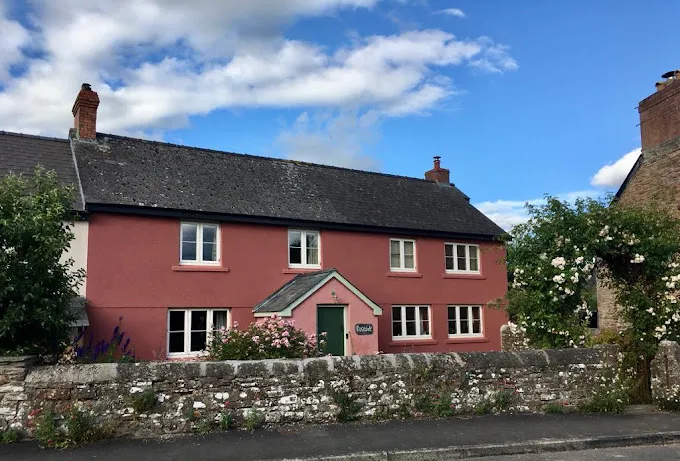
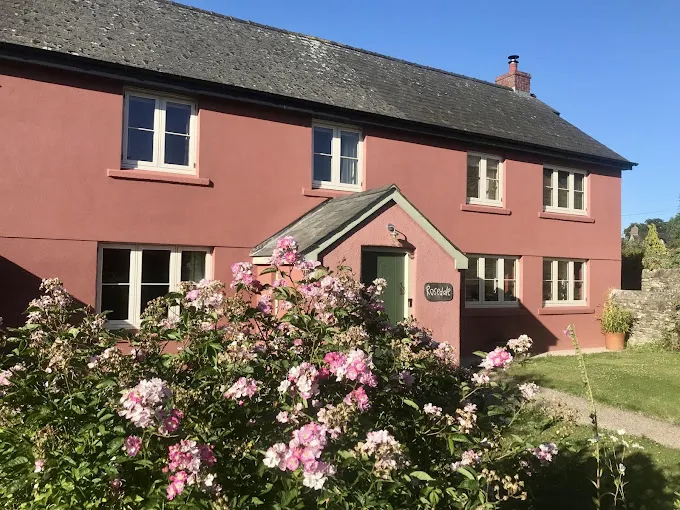
House Rendering Llanelli: Complete Guide
House rendering Llanelli covers every system from thin coat silicone to monocouche through colour render – discover costs, materials, and how to protect your property from West Wales weather.
Table of Contents
- What Is House Rendering in Llanelli?
- Render Types Suited to Llanelli Properties
- Costs and the Rendering Process
- External Wall Insulation and Energy Savings
- Frequently Asked Questions
- Comparing Render Systems
- Coloured Rendering South Wales
- Practical Tips for Llanelli Homeowners
- The Bottom Line
- Sources & Citations
Article Snapshot
House rendering Llanelli is the application of a protective and decorative coating to external walls, shielding properties from West Wales rainfall, salt air, and wind-driven moisture. Modern systems including silicone render and monocouche through colour render offer durable, low-maintenance finishes that improve both appearance and energy performance.
House Rendering Llanelli in Context
- Average cost to replaster walls, ceilings, and skim a room in Llanelli: £500, with a range of £300–£700 (Coloured Rendering South Wales, 2026)[1]
- Annual fuel bill savings for detached gas-heated properties from external wall insulation and rendering: £455 (Coloured Rendering South Wales, 2026)[1]
- Customer satisfaction rating on Google Reviews for Coloured Rendering South Wales: 5.0 out of 5 stars (Coloured Rendering South Wales, 2026)[1]
- Years of experience in plastering and rendering: 25+ years, established 1998 (Coloured Rendering South Wales, 2026)[1]
What Is House Rendering in Llanelli?
House rendering Llanelli is the process of applying a protective coating – cement, silicone, acrylic, or monocouche – to the external walls of a property to guard against moisture ingress, wind, and the salt-laden coastal air that characterises much of Carmarthenshire. Coloured Rendering South Wales, based in Swansea and serving the wider region, has been delivering professional rendering solutions to Llanelli and surrounding areas since 1998, bringing over 25 years of hands-on experience to every project.
Llanelli sits close to the Gower Peninsula and the Loughor Estuary, meaning properties here face above-average exposure to driving rain and salt air. These conditions accelerate the deterioration of unprotected masonry and make render specification a genuinely technical decision rather than a cosmetic one. A correctly specified render system does not merely improve kerb appeal – it forms the primary weather barrier for the wall structure beneath.
External rendering in Llanelli involves surface preparation, the application of one or more coats of render, and, for modern systems, a factory-coloured finish that eliminates the need for repeated external painting. Spray rendering technology has made the process significantly faster than traditional hand application, reducing disruption for homeowners and allowing larger areas to be covered with more consistent thickness and finish quality.
Call Us
Whether you own a Victorian terrace in Llanelli town centre, a 1970s semi on the outskirts, or a newer detached property closer to the coast, the right render system extends the life of your external walls, reduces heating bills, and adds genuine value to your home. The sections below explain the render types available, what to expect on cost, and how external wall insulation combines with rendering to deliver energy savings.
Render Types Suited to Llanelli Properties
Selecting the correct render type for a Llanelli property requires matching the system’s performance characteristics to the local climate, the wall substrate, and the homeowner’s maintenance expectations. Four systems dominate the local market: thin coat silicone render, monocouche through colour render, one coat cement render, and acrylic render.
Thin Coat Silicone Render
Thin coat silicone render is the premium choice for coastal and high-rainfall locations. The silicone polymer gives the render flexibility, preventing the fine cracks that allow water behind cement-based systems. For Llanelli, the formula is waterproof yet breathable – it repels wind-driven rain from the estuary while allowing any residual moisture within the wall substrate to escape outward. Self-cleaning properties help the surface shed airborne dirt and algae, keeping the finish looking fresh with minimal maintenance.
Applied in a thin layer – 1.5 mm to 3 mm – silicone render adds negligible thickness to a wall, making it well-suited to properties where window and door reveals are already shallow. Spray application ensures consistent coverage across large wall areas and around architectural details that are difficult to coat evenly by hand. The Baumit StarTop system, which Coloured Rendering South Wales is certified to install as a Baumit Approved EWI Applicator with City & Guilds Assured accreditation, offers manufacturer-backed warranties of up to 25 years.
Monocouche Through Colour Render
Monocouche render combines a basecoat and finish coat in a single application, with colour running through the full thickness of the material. This design eliminates the need for external painting at any point in the render’s life, making it a genuinely low-maintenance option for landlords and homeowners who want to reduce long-term upkeep costs. The cement-based formula is strong and compatible with brick, block, and concrete substrates common in Llanelli’s residential stock. Coloured Rendering Swansea – durable and attractive rendering solutions for residential and commercial properties explains how through-coloured systems perform across the range of property types found throughout South Wales.
As Rendtek Ltd note, “With hundreds of different colours to choose from these renders provide the Perfect Finish to any project” (Rendtek Ltd, 2026)[2]. The variety available means monocouche render suits both traditional Welsh terraces, where warmer stone tones work well, and contemporary new-build properties where slate grey or anthracite finishes are increasingly popular.
One Coat Cement Render and Acrylic Options
One coat cement render offers a cost-effective base that is painted in any colour once cured. It is suitable for properties where the homeowner wants flexibility to change colour over time, or where budget constraints make a premium system less practical in the short term. Spray application keeps labour costs lower than traditional multi-coat hand application and delivers a more consistent thickness across the wall face.
Acrylic renders sit between cement and silicone in price and performance, offering good flexibility and a wide colour palette. They are less breathable than silicone systems, so they are best specified for walls where substrate moisture is not a significant concern. For most Llanelli properties close to the coast or estuary, silicone or monocouche systems are the stronger long-term investment.
Costs and the Rendering Process for Llanelli Homes
Understanding the cost of house rendering Llanelli requires separating internal plastering work from external rendering, as the two involve different materials, access requirements, and labour inputs. Both are services that Coloured Rendering South Wales provides, and both carry meaningful cost ranges that depend on property size, substrate condition, and the system specified.
Internal Plastering Costs
For internal work, replastering walls, ceilings, and skimming a room in Llanelli averages £500, with a range of £300–£700 depending on room size and the extent of preparation required (Coloured Rendering South Wales, 2026)[1]. Skim coating over existing plasterboard sits at the lower end of that range, while full re-plastering of a large room with significant repair work sits toward the upper end. Ceilings cost more per square metre than walls due to the physical demands of overhead work.
External Rendering Costs
External rendering costs vary more widely than internal plastering because they depend on wall area, access (whether scaffolding is required), substrate preparation, and the render system chosen. Silicone render systems carry a higher material cost than cement render but reduce lifetime costs by eliminating repainting cycles. Monocouche render sits in the mid-range on material cost but saves significantly on labour compared to traditional multi-coat systems.
For a three-bedroom semi-detached house in Llanelli, external rendering with a silicone finish coat will require scaffolding for the upper elevations, surface preparation including any repair of failed existing render, application of a basecoat or primer, and the finish coat itself. Spray application of the finish coat speeds up this stage considerably compared to hand application, which translates directly into lower labour costs for the homeowner.
What the Process Involves
A professional rendering job on a Llanelli property begins with a site visit and assessment of the existing wall condition. Any hollow, cracked, or failed render is cut out and made good before the new system is applied. Beads are fixed to all corners and reveals to ensure straight, clean edges, and movement joints are incorporated where the wall construction demands them. The render is then applied – by spray for efficiency and consistency – before being finished to the required texture. For through-coloured systems, that completes the process. For cement render, a waiting period of several weeks before painting is required to allow full carbonation of the surface.
You can explore our Rendering Repairs South Wales – professional repairs and maintenance for external wall renders page for guidance on when patch repairs are appropriate instead of full re-rendering.
External Wall Insulation, Rendering, and Energy Savings in Llanelli
External wall insulation combined with a rendered finish delivers two benefits simultaneously: it protects the wall structure from weather and reduces heat loss through solid walls, which are common in Llanelli’s older housing stock. As Rendtek Ltd explain, “An External Wall Insulation system or EWI is a way of Improving the Thermal Performance of a building” (Rendtek Ltd, 2026)[2].
How EWI Works on Llanelli Properties
An EWI system fixes high-performance insulation boards directly to the external wall face. A reinforcing mesh layer is embedded in a basecoat applied over the insulation, and a finish render – silicone or acrylic – is applied over the top. The result is a fully weatherproof external envelope that reduces U-values across the wall area. For properties with solid stone or brick walls, which are not practically insulated from the inside without major disruption, EWI is the only viable route to meaningful thermal improvement.
The energy savings are substantial. Detached gas-heated properties save £455 per year on fuel bills through EWI and rendering (Coloured Rendering South Wales, 2026)[1]. For semi-detached and terraced properties, savings are proportionally lower but still significant over the lifetime of the system. Beyond fuel costs, warmer internal wall surfaces reduce condensation and the associated risk of mould growth – a genuine health and comfort benefit for occupants.
As Dyfed Rendering Network note, “Insulating and rendering your home in Llanelli can transform the appearance and performance of your home, dramatically improving the aesthetic appeal and energy efficiency of your property” (Dyfed Rendering Network, 2026)[3]. This dual improvement – appearance and performance – makes EWI with a rendered finish a strong investment for Llanelli homeowners considering the upgrade.
EWI and Property Value
An improved Energy Performance Certificate (EPC) rating, achievable through EWI installation, directly increases a property’s market value and rental appeal. Landlords in Llanelli are increasingly required to meet minimum EPC thresholds for rental properties, making EWI a financially motivated decision as well as a comfort one. Combined with the fresh external appearance a new render finish provides, EWI represents one of the most complete property improvement options available. Our EWI Specialists South Wales – expert external wall insulation installations for energy efficiency page provides full details on the systems we install and the accreditations that back them.
Geoff Lewis, Owner of Coloured Rendering South Wales, summarises the approach: “Coloured Rendering South Wales brings over twenty-five years of plastering expertise to Llanelli properties, combining traditional craftsmanship with modern spray rendering technology to deliver exceptional results.” (Geoff Lewis, 2026)[1]
Your Most Common Questions
How long does house rendering last on a Llanelli property?
The lifespan of a render system on a Llanelli property depends on the type of render used and how well it is specified for the local climate. Thin coat silicone render, correctly applied to a properly prepared substrate, lasts 20–25 years before any significant maintenance is required. Manufacturer warranties for premium systems such as Baumit StarTop extend up to 25 years when installed by a certified applicator. Monocouche through colour render has a similarly long service life, with the through-coloured design meaning the finish does not fade or chalk in the way painted cement render does over time. One coat cement render, when painted, requires repainting every five to eight years depending on exposure, which increases its whole-life maintenance cost compared to through-coloured or silicone systems. The coastal and estuary exposure in Llanelli means that render specification matters more here than in sheltered inland locations – a system suited to the microclimate will consistently outlast a generic specification. Regular inspection for cracks or hollow patches, particularly after severe weather, will identify minor issues before they become costly water ingress problems.
Can rendering be applied directly over existing render on my house?
Whether new render is applied over existing render depends on the condition and adhesion of what is already on the wall. A professional rendering contractor will carry out a tap test across the entire wall face to identify hollow or delaminated areas. If the existing render is well-bonded, sound, and not too thick, a new thin coat system is sometimes applied directly over it with appropriate priming and preparation. However, if there are extensive hollow patches, if the existing render is cracked through to the substrate, or if it is a sand and cement system that has carbonated poorly, full removal is the correct approach before any new system is applied. Attempting to apply render over failed material transfers the failure point and shortens the life of the new system significantly. For Llanelli properties where previous render has been affected by salt air or repeated wet-dry cycles, full removal and a fresh start with a modern silicone or monocouche system is the more cost-effective long-term decision, even if the upfront cost is higher than an overlay approach.
What is the difference between spray rendering and hand rendering?
Spray rendering uses a machine to mix and project render material onto the wall at a controlled thickness, while hand rendering involves a plasterer applying and spreading material manually with a hawk and trowel. The practical differences are significant for the homeowner. Spray application covers large wall areas two to three times faster than hand application, reducing overall project duration and the associated labour cost. The mechanical process also produces a more consistent thickness across the wall face, which is important for the performance of thin coat systems where coverage specification must be met accurately. Hand application remains appropriate for small areas, complex shapes, detailed repair work, and situations where access for machinery is not practical. For most full re-renders of a Llanelli house – whether a terrace, semi, or detached property – spray application is the more efficient and cost-effective method. The quality of finish depends on the skill of the operator rather than the application method itself, so choosing a contractor with extensive spray rendering experience is important for a professional result.
Do I need planning permission to render my house in Llanelli?
In most cases, rendering a house in Llanelli falls within permitted development rights, meaning planning permission is not required. However, there are important exceptions. If your property is a listed building, any changes to its external appearance – including rendering – require listed building consent regardless of the extent of the work. Properties within a Conservation Area also require permission, particularly if the original external finish is considered a defining characteristic of the area’s appearance. If your home is subject to a specific planning condition restricting changes to the external materials, that condition will apply. Check with Carmarthenshire County Council’s planning department before committing to a rendering project if there is any uncertainty about your property’s designation. For most standard residential properties in Llanelli that are not listed and not in a formally designated Conservation Area, proceeding with rendering under permitted development is straightforward. Your rendering contractor should be aware of these considerations and able to advise you during the initial site assessment.
Comparing Render Systems for Llanelli Homes
Choosing between render systems involves weighing upfront cost against whole-life performance, maintenance requirements, and suitability for coastal conditions. The table below compares the four main options available to Llanelli homeowners across the criteria that matter most for West Wales properties.
| Render System | Lifespan | Maintenance Requirement | Coastal Suitability | Colour Options |
|---|---|---|---|---|
| Thin Coat Silicone Render | 20–25 years | Very low – self-cleaning surface | Excellent – flexible and waterproof | Very wide range, colour-stable |
| Monocouche Through Colour Render | 15–20 years | Low – no painting required | Good – water-repellent additives | Wide range, through-coloured |
| One Coat Cement Render | 10–15 years (painted) | Moderate – repainting every 5–8 years | Moderate – less flexible | Any paint colour |
| EWI with Silicone Finish | 25+ years | Very low – breathable and self-cleaning | Excellent – full weather envelope | Very wide range, colour-stable |
Coloured Rendering South Wales: Rendering Services for Llanelli
Coloured Rendering South Wales has been delivering professional plastering and rendering services across South Wales since 1998, with Llanelli and the wider Carmarthenshire area forming a regular part of our project geography. Our team holds Baumit Approved EWI Applicator status with City & Guilds Assured accreditation, enabling us to install Baumit StarTop premium silicone render and full EWI systems with manufacturer-backed warranties of 10–25 years. We carry a 5.0 out of 5 Google rating, maintained across numerous verified reviews (Coloured Rendering South Wales, 2026)[1].
We specialise in Home page of Coloured Rendering South Wales – expert spray rendering and external wall insulation services across South Wales, covering everything from thin coat silicone render and monocouche through colour render to full EWI installations and internal plastering. Our spray rendering capability means we complete projects faster than traditional hand application without sacrificing finish quality – an important consideration if you need work completed around a property sale, renovation programme, or tenant changeover.
“With over 15 years in the building trade I have experienced several different plasterers all offering different styles and finishes. Geoff’s thin coat spray finish render would rival the best and I can’t recommend his team enough to someone thinking of using him. His professionalism and work ethic has stood out from many of the others we have worked with.” – Keri Hopkins, Google Review
“We’re 100% happy and wouldn’t hesitate to recommend Jeff. His workmanship is excellent and we’re also very happy with the product he recommended to eradicate the penetrating damp and give our house a great new look and lease of life.” – Alistair Legge, Google Review
To arrange a free site visit and quotation for your Llanelli property, contact us directly on 07815 868070, email geoff@colouredrenderingsouthwales.com, or use our Contact Coloured Rendering South Wales for a free quote or consultation on your rendering project page.
Practical Tips for House Rendering in Llanelli
Getting the best outcome from a rendering project in Llanelli starts well before the contractor arrives on site. The following guidance covers the key decisions and preparations that make a difference to the quality and longevity of the finished work.
Specify for the location, not just the budget. Properties in Llanelli near the Loughor Estuary or within a few miles of the coast face salt air and persistent westerly rain that degrade cement-based renders faster than in sheltered locations. Investing in a silicone or high-performance monocouche system upfront saves money over the render’s lifetime by eliminating repainting and early repair work.
Address substrate problems before rendering. Any damp, failed mortar joints, or structural cracks in the masonry should be repaired and fully dried out before render is applied. Trapping moisture behind new render accelerates failure and causes internal damp problems. A professional contractor will identify these issues during the pre-work assessment and factor their resolution into the quote.
Check scaffold requirements early. For two-storey properties, scaffold erection adds cost and requires advance booking. If you are combining rendering with other external work – guttering, fascias, window replacement – coordinating the scaffold hire across all trades reduces the total cost.
Review your EPC before deciding on render type. If your property has a low EPC rating and solid walls, an EWI system with a rendered finish attracts government grant support and delivers measurable energy savings alongside the cosmetic improvement. UK Building Regulations – Approved Documents sets out the thermal performance standards that EWI systems must meet, and a certified installer will ensure your system complies.
Ask for colour samples on the wall. Render colours look different at full scale on a building than they do on a sample board or screen. Request a small test patch before committing to a colour, particularly for through-coloured systems where changing your mind after application is not practical.
Confirm insurance and warranty documentation. A reputable contractor will carry public liability insurance and provide written documentation of any product warranties. For EWI systems, manufacturer warranties are only valid when installed by a certified applicator – verify your contractor’s accreditation status before work begins. You can also check Property Care Association guidance for further information on external render standards and remediation best practice.
The Bottom Line
House rendering Llanelli is a practical investment that protects your property’s wall structure, reduces heating costs, and delivers lasting aesthetic improvement – all from a single project. The key is matching the render system to Llanelli’s specific coastal and estuary climate rather than defaulting to the cheapest option. Thin coat silicone render and monocouche through colour render both outperform basic cement systems in this environment, and EWI with a rendered finish offers the most complete upgrade available for older solid-wall properties.
Coloured Rendering South Wales has been serving Llanelli and the wider South Wales region since 1998. With spray rendering technology, Baumit Approved EWI Applicator accreditation, and a perfect 5.0 Google rating, we bring the expertise and accountability your project requires. Call us on 07815 868070 or email geoff@colouredrenderingsouthwales.com to arrange your free site visit and quotation today.
Sources & Citations
- Expert Rendering Services Llanelli – Professional Results. Coloured Rendering South Wales.
https://colouredrenderingsouthwales.com/rendering-services-llanelli/ - External Rendering in Llanelli – Rendtek Ltd. Rendtek Ltd.
https://www.commercialrendering.co.uk/external-rendering/west-wales/llanelli - Rendering in Llanelli. Dyfed Rendering Network.
https://www.dyfedrendering.co.uk/rendering-in-llanelli/