
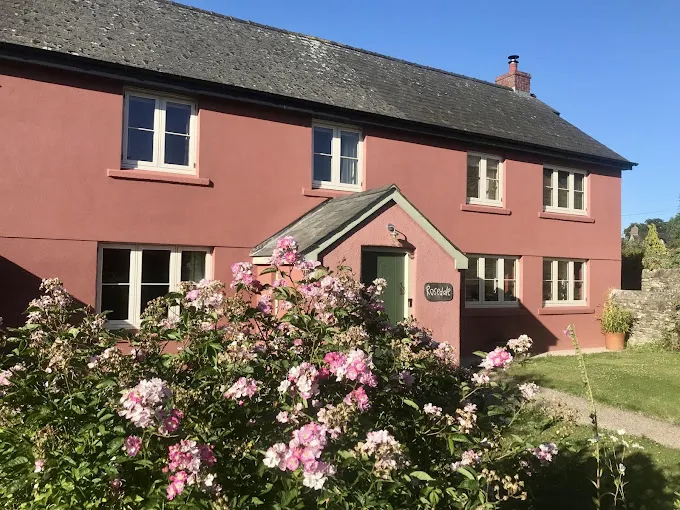
House Rendering Pontardawe: Complete Property Guide
House rendering Pontardawe transforms exposed exterior walls with weather-resistant finishes suited to the Swansea Valley’s demanding climate – discover render types, costs, and local considerations in this complete guide.
Table of Contents
- What Is House Rendering and Why Pontardawe Properties Need It
- Render Types Best Suited to Pontardawe Homes
- The Spray Rendering Application Process Explained
- House Rendering Costs and Property Value in Pontardawe
- Frequently Asked Questions
- Render System Comparison
- Coloured Rendering South Wales
- Practical Tips for Pontardawe Homeowners
- Key Takeaways
- Sources & Citations
Article Snapshot
House rendering Pontardawe is the process of applying a protective, weatherproof coating to exterior walls of properties in and around the Swansea Valley. The right render system shields brickwork from wind-driven rain, prevents damp ingress, and delivers a low-maintenance finish that lasts decades without repainting.
House Rendering Pontardawe in Context
- House prices in SA8 4 (Pontardawe) grew 7.0% in the last year (HouseMetric, 2026)[1]
- 3.0% real-terms growth after inflation in the same period for SA8 4 (HouseMetric, 2026)[1]
- 156 property sales analysed in SA8 4 over the last 24 months, reflecting an active local market (HouseMetric, 2026)[1]
- 12 new energy-efficient apartments created at the Ty Mawr restoration in Pontardawe, showing the area’s ongoing investment in property improvement (Swansea Bay News, 2025)[2]
What Is House Rendering and Why Pontardawe Properties Need It
House rendering Pontardawe is the application of a protective mortar or polymer coating to the external walls of a property, sealing the substrate against moisture, improving thermal performance, and enhancing the building’s appearance. Pontardawe sits in the Tawe Valley between Swansea and the Brecon Beacons, where westerly weather systems push sustained rainfall and wind against exposed elevations throughout the year. Properties in this part of Neath Port Talbot face moisture loads that accelerate the deterioration of unprotected masonry, making quality external rendering a practical necessity rather than a cosmetic luxury. Coloured Rendering South Wales has worked on properties throughout the Swansea Valley since 1998, providing rendering solutions matched specifically to these local conditions.
The area’s building stock ranges from Victorian and Edwardian terraces in the town centre to interwar semi-detached homes and modern new-build estates on the valley slopes. Each property type presents different substrate conditions and exposure profiles. Solid-walled Victorian terraces absorb and transmit moisture quickly without a functioning render coat, leading to damp interiors that are both unhealthy and expensive to heat. Modern properties require render repairs to address early cracking or bond failure caused by shrinkage movement in relatively new mortar beds.
Pontardawe’s location also means properties face occasional frost cycles through winter, which shatter render that lacks sufficient flexibility. Through-coloured and silicone-based systems resist freeze-thaw degradation far better than traditional sand-and-cement coats applied without additives. Specifying the correct render for the building type and location is the critical first step – a decision that experienced local contractors understand from years of working in this specific microclimate.
Call Us
The historic Ty Mawr building in Pontardawe, recently converted into 12 new energy-efficient apartments (Swansea Bay News, 2025)[2], illustrates the challenge well. As Jo Brown, Project Manager for Pobl Group, noted: “This scheme is an excellent example of Pobl’s commitment to build general needs homes and bring existing buildings back into fruition.” (Swansea Bay News, 2025)[2] Retaining and protecting the historic fabric of such structures requires render systems that are breathable and compatible with older masonry – precisely the specification decisions that define quality rendering work in Pontardawe.
Render Types Best Suited to Pontardawe Homes
Selecting the correct render system for a Pontardawe property depends on wall construction, exposure level, and the desired finish – and three primary systems dominate quality residential and commercial projects in the Swansea Valley.
Thin Coat Silicone Render
Thin coat silicone render is the premium choice for most Pontardawe properties and has become the most commonly specified finish for external wall renovation work in recent years. Applied at just 1.5-3mm thickness over a prepared basecoat, silicone render delivers a waterproof yet breathable finish that allows trapped moisture to escape from the wall structure rather than forcing it inward. This breathability is important for the Tawe Valley’s older stone and brick properties where damp management is an ongoing concern.
The silicone polymer matrix gives the coating excellent flexibility, allowing it to accommodate minor structural movement without cracking – a significant advantage in properties built on hillside ground that experiences seasonal soil movement. Self-cleaning silicone renders use the natural action of rainfall to flush surface deposits from the finish, keeping the property looking fresh without pressure washing or repainting. For valley properties exposed to algae and atmospheric deposits, this characteristic reduces long-term maintenance substantially.
Baumit StarTop premium silicone render, installed by a City & Guilds Assured Baumit Approved EWI Applicator, carries manufacturer-backed warranties of up to 25 years – giving Pontardawe homeowners documented long-term protection that informal or uncertified rendering work cannot provide.
Monocouche Through Colour Render
Monocouche render is a single-coat, factory-coloured system where the pigmentation runs throughout the material’s thickness, eliminating the need for painting at any point during the product’s life. For Pontardawe homeowners who want a traditional masonry appearance – textured or scraped – monocouche delivers durable aesthetics without ongoing decoration costs. The cement-based formulation suits most substrates including block, brick, and stone, and performs reliably in the valley’s wet winters when correctly specified and applied.
One Coat Cement Render
One coat cement render is a cost-effective solution for properties where a painted finish is acceptable or preferred. Applied using spray equipment for consistent thickness and coverage, it provides dependable weather protection and serves as an ideal base for textured or smooth paint systems. This system suits landlords and developers managing renovation projects where budget control is a priority.
A Pobl Group spokesperson, reflecting on the challenges of working with Pontardawe’s older building fabric, observed: “Restoring such an old structure came with challenges – from insulating thick walls to retaining its unique character – but the result is a striking mix of old and new.” (Swansea Bay News, 2025)[2] The same principle applies to render selection: the system must suit the building it protects, not simply be the most convenient option for the applicator.
The Spray Rendering Application Process Explained
Professional spray rendering application follows a structured sequence that determines whether the finished system performs for decades or fails within a few years – and understanding that sequence helps property owners assess contractor proposals with confidence.
Surface preparation is the most important stage of any rendering project. All loose, hollow, or contaminated existing render must be removed. Biological growth – algae, lichen, moss – common on Pontardawe’s north and west-facing elevations requires treatment with a fungicidal wash before new materials are applied. Bare masonry is primed with a polymer-modified adhesive coat that bridges minor irregularities and creates a chemically bonded interface for the render layers above. Skipping or rushing this stage is the single most common cause of premature render failure.
Spray application equipment pumps the premixed render material through a hose and nozzle at controlled pressure, depositing material onto the wall surface in a consistent layer. Compared with hand application, spray rendering achieves more uniform thickness and density across large wall areas, reducing the risk of differential shrinkage cracking. For property developers working on multiple units in a Pontardawe housing development, spray application completes each elevation in roughly half the time of traditional trowel methods, which directly reduces labour costs and programme duration.
For external wall insulation systems, the process adds insulation board fixing and reinforcing mesh stages before the finish render is applied. This approach – particularly relevant for the valley’s older solid-wall properties – addresses both the thermal performance and weatherproofing objectives in a single system. EWI specialists in South Wales specify and install these full systems with certified materials that meet UK building regulations for thermal performance.
Curing conditions matter considerably in the Pontardawe climate. Render applied during frost risk periods or in direct summer heat must be protected with appropriate coverings or curing compounds. Reputable contractors monitor weather forecasts and schedule works accordingly – a practical detail that separates experienced local applicators from contractors unfamiliar with the valley’s weather patterns.
Once cured, through-coloured systems require no further treatment beyond inspection. Cement renders intended for painting should be allowed a full drying and carbonation period – four to six weeks – before decoration to prevent efflorescence or paint adhesion failure. Your contractor should confirm these timings and provide a written aftercare guide as part of the project handover. View examples of completed spray rendering and plastering projects in our project gallery to understand what a professionally finished result looks like.
House Rendering Costs and Property Value in Pontardawe
Understanding render system costs in relation to property values in Pontardawe helps homeowners make investment decisions grounded in the local market rather than national averages that do not reflect conditions in the Tawe Valley.
House prices in SA8 4 (the postcode covering Pontardawe) grew 7.0% in the year to March 2026, with real-terms growth of 3.0% after inflation adjustment (HouseMetric, 2026)[1]. That figure is based on 156 property sales analysed over the preceding 24 months (HouseMetric, 2026)[1], providing a statistically meaningful baseline. The annual real change over the past five years in the SA8 district has averaged 2.5% (HouseMetric, 2026)[1], indicating steady capital appreciation that makes property improvement investment viable.
Against this backdrop, professional rendering carries clear financial logic. A property with crumbling, stained, or failed render presents poorly in viewings, compresses sale prices, and signals deferred maintenance to buyers and surveyors. Fresh, well-specified render improves kerb appeal immediately and protects the wall structure from the damp-related damage that generates the most expensive repair bills – rot in embedded timbers, plaster failure, and insulation degradation.
Render system costs vary according to property size, wall condition, access requirements, and the system specified. Silicone thin coat systems carry a higher material cost than cement renders but eliminate painting costs over the life of the property, making whole-life cost comparisons more favourable than upfront price alone suggests. EWI systems represent the largest single investment but deliver energy efficiency gains that reduce heating bills, improve EPC ratings, and qualify for government-backed retrofit funding schemes relevant to Welsh properties.
For rendering repairs in South Wales, targeted patch repair rather than full re-rendering extends the service life of a sound existing coat at a fraction of full replacement cost – a sensible first option when the render has isolated rather than widespread failure. Obtaining a proper condition assessment from an experienced contractor before committing to either approach protects against both over-spending and under-investing.
Your Most Common Questions
How long does house rendering last on a Pontardawe property?
The service life of render depends on the system specified, substrate preparation, and the property’s exposure to weather. In Pontardawe’s wet valley climate, traditional sand-and-cement render without polymer additives begins showing cracks or hollowing within ten to fifteen years, particularly on elevations exposed to prevailing south-westerly rain. Modern silicone thin coat systems, correctly installed over a bonded basecoat, are warranted by manufacturers for up to 25 years and in practice perform beyond that period when applied to properly prepared substrates. Monocouche through-colour render delivers fifteen to twenty-five years of service life depending on exposure. One coat cement renders last well when they remain intact and painted, but require periodic redecoration every five to seven years to maintain waterproofing. The most reliable indicator of longevity is the quality of surface preparation and the applicator’s adherence to the manufacturer’s specification – neither of which is visible from a quote price alone. Asking for the product data sheet and installation method statement before accepting a quotation gives you a clear benchmark against which to compare competing proposals.
Can rendering help with damp problems in a Pontardawe home?
Rendering addresses penetrating damp caused by water ingress through the wall face, which is a common problem in Pontardawe’s older solid-wall Victorian and Edwardian terraces exposed to driving rain. A properly specified breathable render – silicone systems in particular – waterproofs the external face while allowing vapour to escape from inside the wall structure, preventing moisture from being trapped and causing internal damage. However, rendering is not a solution for rising damp, which originates from ground water drawn upward through the wall base, nor for condensation caused by inadequate ventilation inside the property. Before committing to a render system to address damp, a thorough diagnosis of the damp source is important. Experienced rendering contractors advise when render is the appropriate intervention and when other remediation work – such as damp-proof course treatment or improved ventilation – should be carried out first or alongside the external work. Applying render over an active rising damp problem traps moisture and accelerates internal damage rather than resolving it.
Does house rendering in Pontardawe require planning permission?
In most cases, applying render to the external walls of a residential property in Pontardawe falls within permitted development rights and does not require planning permission, provided the property is not in a designated area and is not a listed building. However, certain locations within Neath Port Talbot County Borough Council’s jurisdiction – including conservation areas or Article 4 Direction areas – restrict changes to the external appearance of properties, including the application of render or changes to render colour. If your property is listed, any work to the external fabric requires Listed Building Consent regardless of scale. Always check with the local planning authority before beginning work if you have any doubt about your property’s planning status. An experienced local rendering contractor familiar with the Pontardawe and wider Swansea Valley area will be aware of common planning constraints in the region and will advise you accordingly during the initial consultation.
What is the difference between spray rendering and hand rendering for my Pontardawe property?
Spray rendering uses pump-driven equipment to apply mixed render material directly onto the wall surface at a controlled rate, while hand rendering involves a plasterer applying and finishing the material manually using trowels and floats. Both methods produce excellent results when carried out by skilled operatives, but spray application offers specific advantages for residential projects. Material is deposited at a more consistent thickness across the entire wall area, reducing the shrinkage cracking that occurs where hand-applied layers vary in depth. Application speed is significantly faster – two to three times quicker for large areas – which reduces the number of days scaffolding is erected on your property and limits disruption to daily life. For monocouche and silicone thin coat systems, spray application integrates well with the products’ design intent, as manufacturers formulate these materials for mechanical application. Hand rendering retains advantages for intricate areas, patches, and locations where access restricts equipment use. In practice, experienced spray rendering contractors combine both approaches on a single project as conditions require.
Render System Comparison for Pontardawe Properties
Choosing between render systems involves weighing upfront cost, maintenance requirements, longevity, and suitability for your specific property type. The table below compares the three primary systems used on Pontardawe homes across the most relevant criteria to help inform your decision.
| Render System | Application Method | Expected Lifespan | Maintenance Required | Best Suited To |
|---|---|---|---|---|
| Thin Coat Silicone Render | Spray (over bonded basecoat) | 20-25+ years | Minimal – self-cleaning properties | All property types; coastal and valley exposures; EWI finish coat |
| Monocouche Through Colour Render | Spray or hand | 15-25 years | Low – no repainting required | New builds; traditional textures; developments where painting costs must be eliminated |
| One Coat Cement Render | Spray | 10-15 years (painted)[1] | Moderate – periodic repainting every 5-7 years | Budget-conscious projects; properties where colour flexibility is preferred |
Coloured Rendering South Wales: Expert House Rendering for the Swansea Valley
Coloured Rendering South Wales has delivered professional plastering and spray rendering services throughout South Wales since 1998, building a reputation for quality workmanship across residential, commercial, and development projects. Based in Swansea and operating throughout the Swansea Valley including Pontardawe and surrounding Neath Port Talbot communities, the team brings over 25 years of direct experience with the region’s building stock and weather conditions. As a Baumit Approved EWI Applicator with City & Guilds Assured accreditation, we install Baumit StarTop premium silicone render and complete EWI systems with manufacturer-backed warranties of up to 25 years – giving you documented protection rather than verbal assurances.
Our services cover the full range of external rendering needs: thin coat silicone render, monocouche through-colour render, one coat cement render, rendering repairs, and external wall insulation. We also provide internal plastering for walls and ceilings. Spray application technology allows us to complete most residential projects faster than traditional hand methods, reducing scaffolding time and disruption to you and your household. Every project begins with a free property assessment where we evaluate your wall condition, substrate type, and exposure profile before recommending the most appropriate system for your specific home.
“With over 15 years in the building trade I have experienced several different plasterers all offering different styles and finishes. Geoff’s thin coat spray finish render would rival the best and I can’t recommend his team enough to someone thinking of using him.” – Keri Hopkins, Google Review
“We’re 100% happy and wouldn’t hesitate to recommend Jeff. His workmanship is excellent and we’re also very happy with the product he recommended to eradicate the penetrating damp and give our house a great new look and lease of life.” – Alistair Legge, Google Review
Visit the home page of Coloured Rendering South Wales to learn more about our spray rendering and external wall insulation services across South Wales, or contact us for a free quote or consultation on your rendering project. You can also call us directly on 07815 868070 or email geoff@colouredrenderingsouthwales.com.
Practical Tips for Pontardawe Homeowners Planning Rendering Work
Acting on the right information before your rendering project starts saves money, avoids common problems, and produces a result that performs for the full intended lifespan of the system. These practical recommendations apply directly to properties in Pontardawe and the surrounding Swansea Valley.
Assess your existing render before deciding on replacement. Not all damaged render requires complete removal. Localised hollow patches or hairline cracking in an otherwise sound coat are repairable at a fraction of full re-rendering cost. Have an experienced contractor sound-test the walls by tapping to locate hollow areas and assess how widespread the failure is before committing to a specification. Rendering repairs in South Wales are the most cost-effective first intervention for properties with older cement render in reasonable overall condition.
Specify systems designed for your elevation’s exposure. North and west-facing walls in Pontardawe receive the highest rainfall and wind-driven moisture loads. These elevations benefit most from silicone or polymer-modified render systems with enhanced water repellency. South-facing walls in sheltered positions tolerate a less expensive system without performance compromise. A contractor who specifies the same product for all elevations without considering exposure is not tailoring their solution to your building.
Check contractor accreditation before accepting a quotation. For silicone thin coat and EWI systems, manufacturer warranties are conditional on installation by approved applicators. Requesting evidence of accreditation – such as Baumit Approved Applicator certification – protects your warranty entitlement. The UK Building Regulations Approved Documents set out minimum performance standards for external wall systems, and your contractor should be familiar with the relevant provisions.
Time your project to avoid frost risk and extreme heat. Pontardawe experiences ground frost risk between November and March. Most render systems specify minimum application and curing temperatures, above 5°C and not in direct summer sun above 30°C. Scheduling render works between April and October reduces the risk of frost damage during curing and gives the product the best conditions for achieving its rated performance. Reputable contractors advise on scheduling and will not proceed in unsuitable conditions. The BRE Group publishes guidance on moisture and thermal performance of external wall systems that provides a useful technical reference if you want to understand the science behind these requirements.
Obtain a written specification with the quotation. A quotation that lists only a price and a surface area gives you no basis for comparison or quality assurance. Request a written specification identifying the product system, preparation method, primer type, number of coats, and warranty terms. This document protects you if work does not meet the agreed standard and provides the reference point for any future maintenance or repair decisions.
Key Takeaways
House rendering Pontardawe is an investment that pays returns through reduced maintenance costs, damp prevention, enhanced kerb appeal, and – in an SA8 property market that has seen 7.0% price growth in the past year (HouseMetric, 2026)[1] – real property value uplift. The Swansea Valley’s sustained rainfall and wind-driven moisture make quality external rendering a practical requirement rather than a cosmetic upgrade, and the render system you choose must be matched to your property’s exposure, wall construction, and long-term maintenance expectations.
Whether your Pontardawe home needs a full silicone render system, a monocouche finish for a new-build development, targeted repairs to an existing coat, or an EWI system to address rising energy costs, choosing a locally experienced, accredited contractor is the decision that determines outcomes. Coloured Rendering South Wales has served properties throughout the Swansea Valley since 1998 with a 5.0 Google rating earned across more than two decades of work in this region. Call us on 07815 868070, email geoff@colouredrenderingsouthwales.com, or use our contact form to arrange a free property assessment and quotation.
Sources & Citations
- Pontardawe House Prices & Property Market Analysis – ‘SA8 4’. HouseMetric.
https://housemetric.co.uk/analysis/sector/SA8-4/Pontardawe - Historic Ty Mawr restored into new homes for Pontardawe. Swansea Bay News.
https://swanseabaynews.com/historic-ty-mawr-restored-into-new-homes-for-pontardawe/